Combos
How to look after a rod and reel so it lasts
Most gear does not wear out. It gets ruined by three specific things, and all three take minutes to avoid.
By Sawyer V. · Last updated · How we pick
The short answer
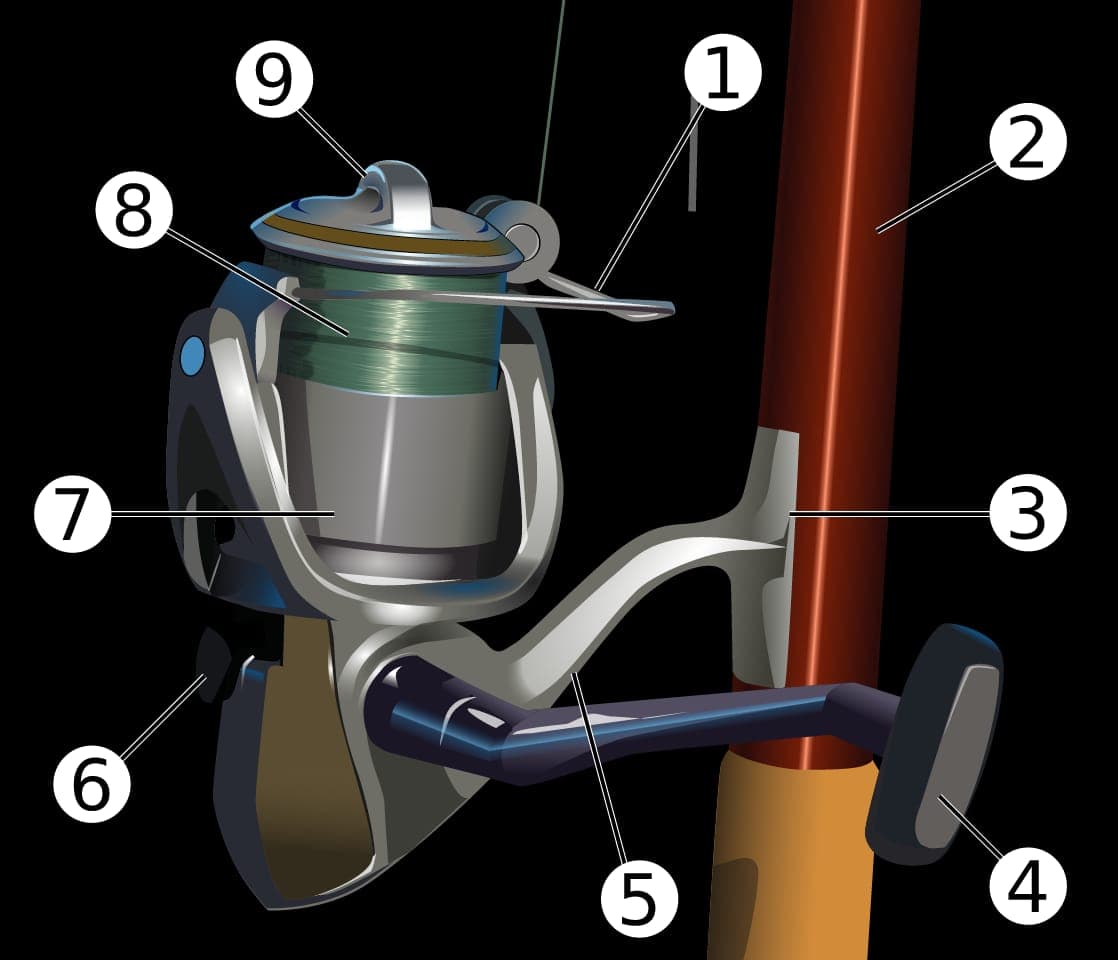
Three things ruin fishing gear: water in the reel, a drag left tight in storage, and UV on the line. After each trip, wipe the reel down and back the drag right off. Once a year, replace the line. That is genuinely most of it — almost nothing else on a modern reel wears out on a freshwater schedule.
Reel & Rig earns a commission from qualifying purchases made through links on this page, at no extra cost to you. It does not change which gear we pick or what we say about it. Full disclosure.
1. Water in the drag
The single biggest cause of a reel going from smooth to jerky.
A drag is a stack of washers under compression, and its whole job is to release smoothly and consistently. Water gets in, sits between the washers, and causes corrosion and swelling. The stack then grabs and releases rather than slipping evenly — which is exactly the start-up inertia that breaks line on a first run.
What to do: after any trip where the reel got splashed or rained on, wipe it with a dry cloth and leave it somewhere dry and open, not in a closed bag. Do not run it under a tap.
Some reels publish a sealed or waterproof drag specifically to address this — Daiwa publishes a waterproof Carbon ATD system on the BG line. That is a genuine multi-year advantage rather than a marketing feature.
2. A drag left tight in storage
Almost everyone does this, and it costs nothing to stop.
The drag washers are compressed when the knob is tightened. Leave that compression on for months and the washers take a set — they stop springing back to their original thickness, and the drag becomes less smooth and less predictable.
What to do: back the drag knob right off at the end of every trip. It takes three seconds. Set it again next time you fish, which you should be doing anyway.
3. UV on the line
Monofilament degrades in sunlight, and the damage is invisible. A spool that has sat on a reel in a garage window for two seasons can be meaningfully weaker than the number on the label, with nothing to show for it until a fish is on.
What to do: replace mono annually whether or not it looks bad, and store rods out of direct sunlight. Braid is far more UV-stable and lasts several seasons; you can often reverse it on the spool to put the fresh end outward.
More frequently than that, cut back the first ten yards and re-tie. That section takes every cast, every knot and all the abrasion, while the rest of the spool sits idle.
The five-minute post-trip routine
- Wipe the rod down, especially the guides. Grit in a guide wears line.
- Wipe the reel body and the spool with a dry cloth.
- Back the drag off completely.
- Check the guides for cracks by running a cotton bud around each ring — it snags on a chip.
- Cut back a few feet of line and re-tie, or leave the lure off entirely.
The guide check is the one people skip
A cracked guide insert is invisible and will saw through line, particularly braid, on a good fish. The cotton bud test finds it in seconds — the fibers catch on any chip in the ring.
This is also the practical argument for the one-piece stainless guides used across the Ugly Stik range, with a PVD coating rather than a ceramic ring in a frame. There is no insert to crack, and that failure mode disappears entirely.
Storage
Rods: vertically in a rack, or flat and fully supported. What ruins them is being leaned against a wall at an angle for months, which puts a permanent set in the blank, or being stored in a hot car where the epoxy on the guide wraps softens.
Reels: dry, drag off, ideally off the rod. A reel left mounted for a season can corrode against the reel seat.
Soft plastics: keep them in their original bags. Different plastics react with each other and will melt into a fused mess if you tip several colors into one compartment.
What not to bother with
Being clear about this, because maintenance advice tends to expand to fill available anxiety.
Do not fully strip a reel. Modern freshwater reels do not need annual disassembly, and putting one back together wrong is a much more likely outcome than the problem you were preventing.
Do not over-oil. Excess oil attracts grit, which is abrasive. A drop on the handle knobs and the bail pivot once a season is plenty, and oil should never go near the drag washers.
Do not polish the blank. Cosmetic, and some products soften epoxy.
The gear on this site is not delicate. A GX2 blank is close to indestructible in normal use, and a President will run for years on wiping down and a loose drag knob.
So what do I actually buy?
The only consumable in this routine is line, and it is the one component that genuinely has to be replaced on a schedule. Everything else is a cloth and three seconds on the drag knob.
Berkley Trilene XL Monofilament Line
$8.97Replace mono annually — UV damage is invisible until a fish is on. 10 lb measures 0.011 in.
#ad how this is funded · price as of October 19, 2026
Power Pro Spectra Braided Line
$44.25Braid is far more UV-stable and lasts several seasons, and can be reversed on the spool.
#ad how this is funded · price as of October 19, 2026
Daiwa BG Spinning Reel (BG2500)
Check priceIf your drag has already gone jerky, this is the one here that publishes a waterproof drag.
Questions people actually ask
How do I take care of a fishing reel?
Wipe it dry after any trip where it got wet, back the drag knob right off before storing it, and keep it somewhere dry rather than in a closed bag. Water in the drag stack and washers left compressed are the two things that actually ruin reels.
Should I loosen the drag when storing a reel?
Yes, every time. Drag washers left compressed for months take a set and stop springing back, which makes the drag less smooth and less predictable. It takes three seconds and costs nothing.
How often should I change fishing line?
Replace monofilament annually whether or not it looks bad, because UV degradation is invisible. Cut back the first ten yards and re-tie every few trips — that section takes all the casting, knots and abrasion. Braid lasts several seasons.
How do I check rod guides for damage?
Run a cotton bud around the inside of each ring. The fibers catch on any chip or crack. A cracked insert is invisible and will saw through line, especially braid, on a good fish.
Do I need to strip and service my reel every year?
No. Modern freshwater reels do not need annual disassembly, and reassembling one wrong is a more likely outcome than the problem you were preventing. A drop of oil on the handle knobs and bail pivot once a season is plenty, and never near the drag.
Read next
Sources
Prices on this page come from the retailer at request time and change without notice. If we cannot get a live one we say “check price” rather than show you a number that has gone stale. How we pick.