
Guide
Kayak fishing gear for beginners: what the boat changes
The starter list for fishing from a kayak, what crosses over from bank gear, and the three things not to bring.

Reel & Rig
Seated, low to the water, with no transom and no room. Four constraints that quietly rewrite what gear suits you.
A kayak is not a small boat. It imposes four constraints that a jon boat does not, and every gear decision downstream follows from them.
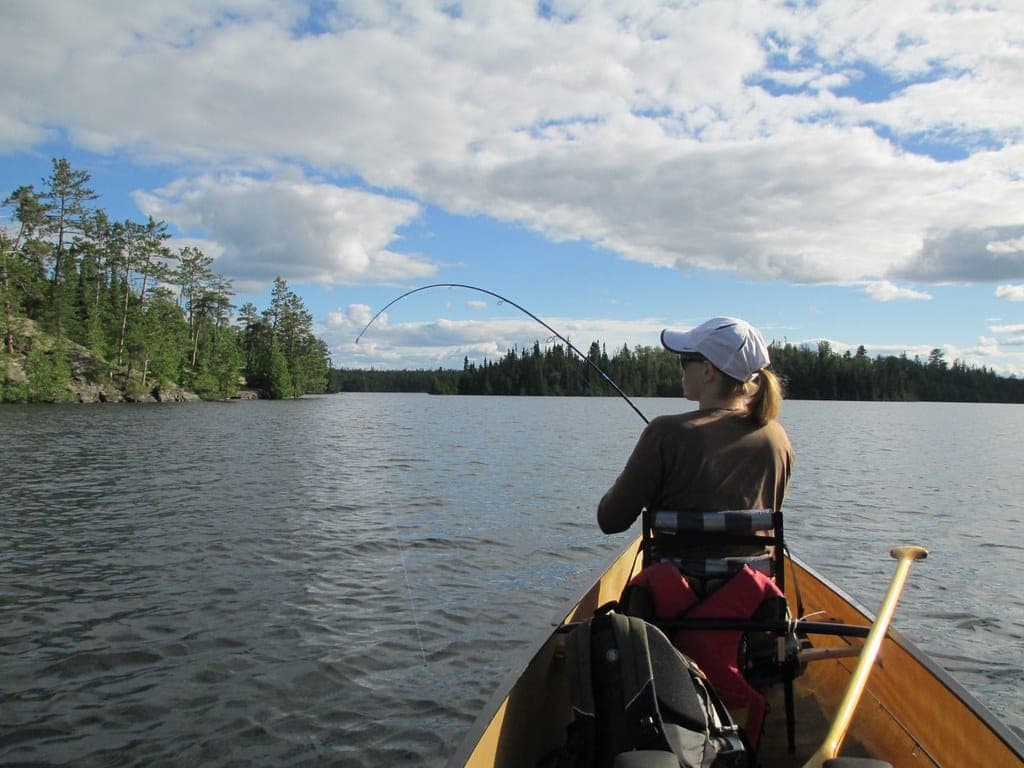
You are sitting down. Your rod tip is maybe three feet off the water instead of six, and you land fish by reaching over the side rather than lifting them up. Long rods get awkward fast.
There is no transom. Nowhere to clamp a transducer, so electronics need an in-hull, scupper or arm mount, and every one of those is a real decision rather than a bracket.
Deck space is genuinely scarce. Everything you bring has to be secured, and anything not secured eventually goes in the water.
You cannot step off. Which makes safety gear part of the setup rather than an accessory, and it is the one area where we would not economize.
The good news is that a kayak reaches water nothing else can — shallow backwaters, weed edges, small lakes with no ramp. That access is worth more than any piece of gear on this site.
Each of these carries a published-spec table for every pick, a current-price check on Amazon, and at least one thing we would skip.
Reel & Rig earns a commission from qualifying purchases made through links on this page, at no extra cost to you. It does not change which gear we pick or what we say about it. Full disclosure.
Guide
The starter list for fishing from a kayak, what crosses over from bank gear, and the three things not to bring.
Picks
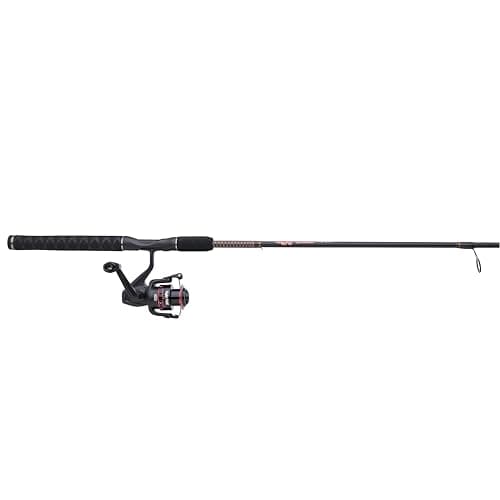
Three kayak-appropriate rods with published ratings, and why length works against you when seated.
Best overall for a kayak
$79.95Ugly Stik GX2 Spinning Combo (6'6" Medium / size 35)
#ad how this is funded · price as of October 19, 2026
Picks
Why kayak reel choice is about water ingress rather than size, with published drag and capacity figures.
Best overall for a kayak
Check priceDaiwa BG Spinning Reel (BG2500)

Guide
A five-step rigging order, where each item wants to go, and the reversible options worth trying before you drill.

Guide
The five safety items for kayak fishing, the cold-water problem people underestimate, and practising re-entry.

Head to head
Cost of ownership, water access, range and comfort compared honestly, and who each one suits.
Picks
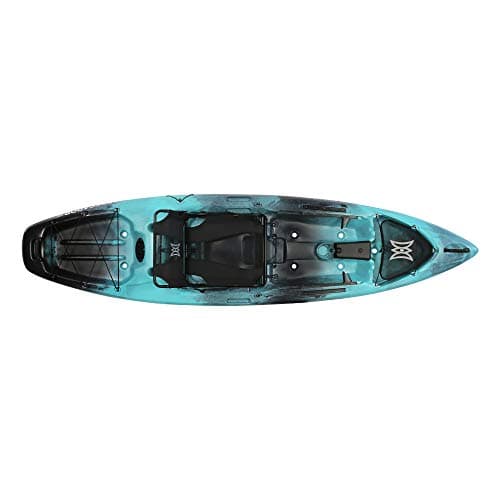
How length, width and capacity decide a fishing kayak, with the published figures for a 10 ft sit-on-top.
Best fishing kayak
$899.00Perception Pescador 10.0 Fishing Kayak
#ad how this is funded · price as of October 19, 2026
Picks
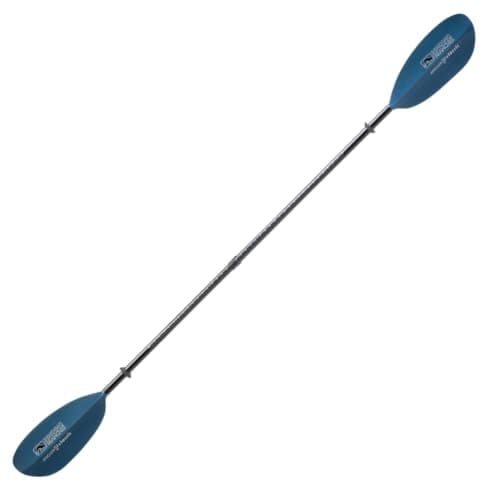
How to size a kayak fishing paddle from boat width and seat height, with published length, weight and blade figures.
Best kayak fishing paddle
$219.95Bending Branches Angler Classic Kayak Paddle
#ad how this is funded · price as of October 19, 2026
Guide
Fishing PFD types compared, why a high-back cut matters in a kayak seat, and how to size and check one.
Guide
How to choose a kayak fishing crate: sizing to the tank well, rod holders, tie-downs and the DIY milk crate.
Guide
What a canoe changes against a kayak, and the four gear choices that follow: paddle length, sonar size, storage and a rod that breaks down.
Best paddle for a canoe
$219.95Bending Branches Angler Classic Kayak Paddle
#ad how this is funded · price as of October 19, 2026
Six foot six is the practical answer, against seven feet or more for bank fishing. Two reasons, and neither is about casting.
Seated, your leverage is different and a long rod is harder to control. And landing a fish means reaching over the gunwale — with a 7′6″ rod the fish ends up further from your hand than your arm is long, which is exactly when fish come off.
You also give up less than you would think. From a kayak you can reposition silently, so the casting distance a bank angler needs simply is not the constraint.
Nothing about a kayak changes reel sizing. A 2500/30 holding 130–200 yards of 8 lb line is right here for the same reasons it is right anywhere.
The one thing that does change is exposure. A kayak reel gets splashed constantly and occasionally submerged, and water in a drag stack is what turns a smooth reel into a jerky one over a couple of seasons. A sealed or waterproof drag is worth more here than on a boat.
Battery anxiety is mostly misplaced. A 12 V 7 Ah pack runs a 615 mA unit for roughly eleven hours, which is longer than you will fish.
The transducer is the real problem, and there are three answers: inside the hull shooting through the plastic, through a purpose-made scupper mount, or on an arm over the side. The scupper mount is usually the right first choice because it gets full signal without permanent modification.
Side imaging. It needs a steady, straight track at consistent speed to build a clean image. A kayak moving at two or three miles an hour and turning constantly is exactly the wrong platform, so you are paying for a feature the boat undermines.
A nine-inch screen. It will not fit anywhere sensible, it is a sail in wind, and it raises your center of gravity in a boat that is already tippy.
A full tackle bag. One or two 3700 boxes is the kayak answer. A bag will not fit and will get soaked.
A life jacket you will actually wear, a leash on anything you would hate to lose, and a way to signal. Those are not accessories on a boat you cannot step off, and unlike a rod they do not have a cheaper version that merely performs worse.
Around 6 ft 6 in. Seated, your rod tip is only about three feet off the water and you land fish by reaching over the side, so a 7 ft 6 in rod puts the fish further from your hand than your arm reaches.
No, sizing is the same — a 2500 or 30 holding 130 to 200 yards of 8 lb line. What changes is exposure: a kayak reel gets splashed constantly, so a sealed or waterproof drag is worth more here than on a boat.
Three ways: inside the hull shooting through the plastic, through a purpose-made scupper mount, or on an arm over the side. The scupper mount is usually the best first choice because it gets full signal without permanent modification.
One or two 3700-footprint utility boxes, secured. A full tackle bag will not fit anywhere sensible and will get soaked — and anything not tied down eventually goes in the water.
Five complete builds. Each one is a rod, reel, line and starter lure selection chosen to work together for one species or one budget.
Beginner, bass, spinning, baitcasting and under-$100 combos, compared on the specs the makers publish rather than on the box copy.
Beginner rod picks plus the guides that make the spec sheet readable — power and action, graphite against fiberglass, and what a rod does that a pole does not.