Skip to content
Reel & Rig
Fishing docks reaching out over a river

Reel & Rig

Rod and reel combos worth buying

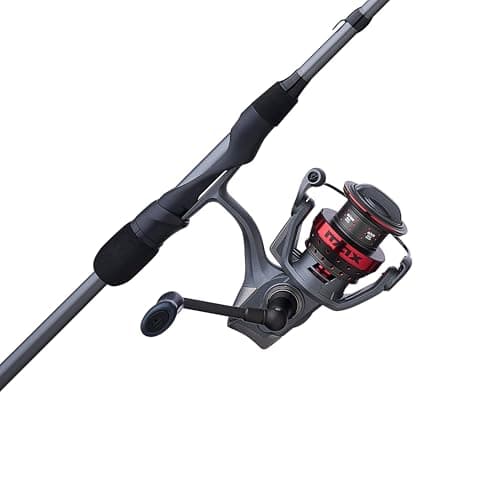
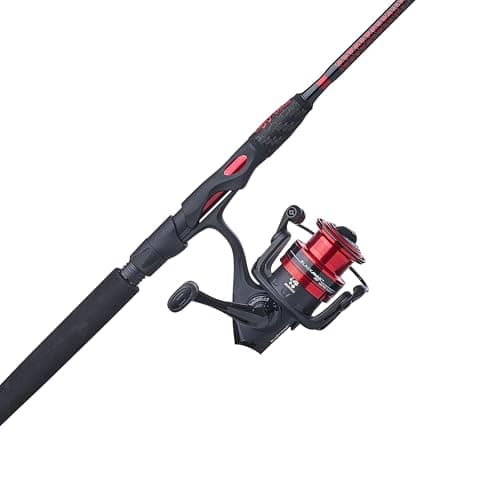
The graduation purchase. A rod and reel sold together, balanced at the factory, at a price two separate purchases will not match.

A combo is the right first purchase for most people, and the fishing industry is oddly embarrassed about saying so. The advice you will read is almost always “buy them separately, you get better components.” That is true above about $150 and false below it.

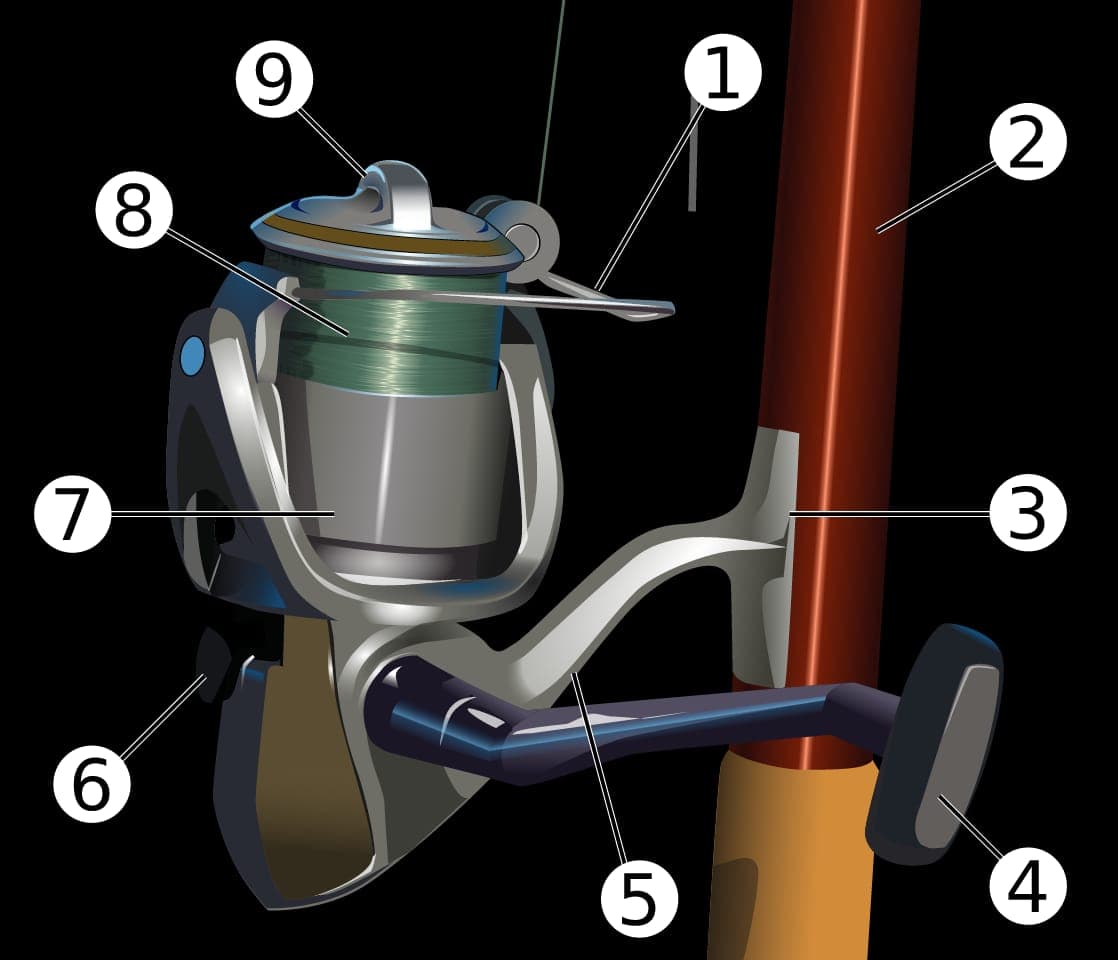
Here is why. When a manufacturer sells a combo, the reel is matched to the rod at the factory: the reel seat fits, the reel weight balances the blank, and the line rating on the rod roughly matches the capacity of the spool. When you assemble a $45 rod and a $45 reel yourself, nobody has done that work. You can do it — this site exists partly to help you do it — but at the bottom of the market the combo usually wins on balance alone.

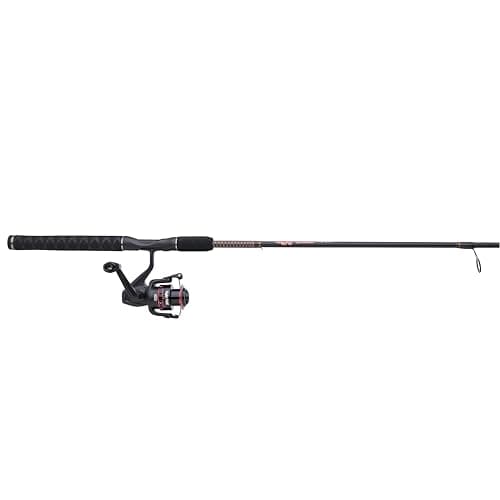
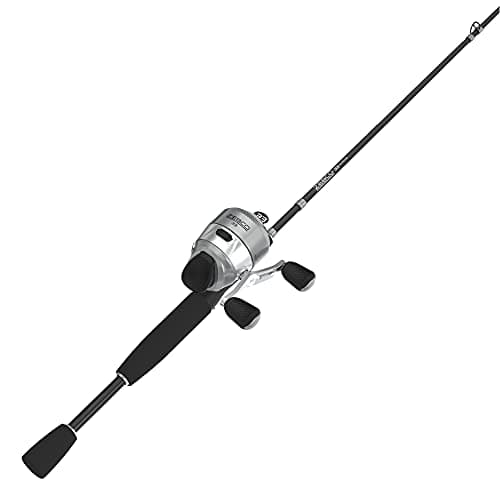
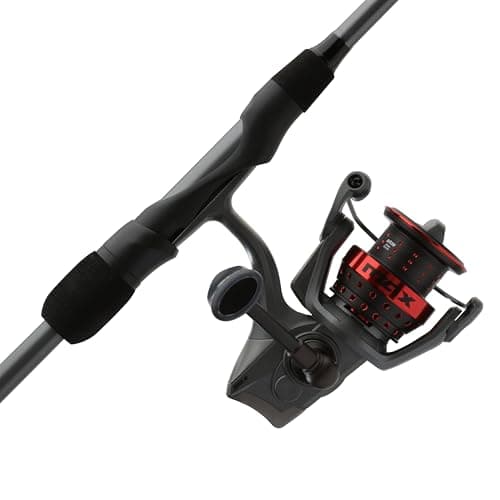
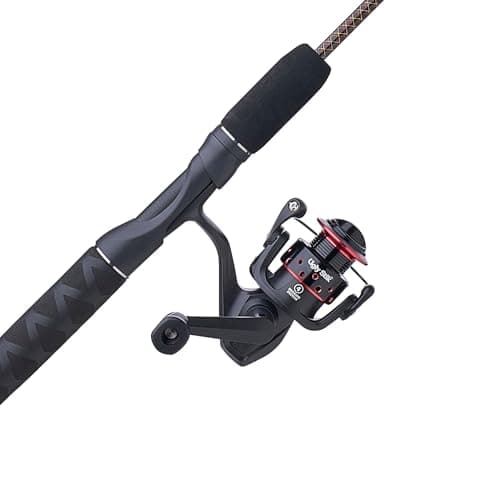
The second reason is money. A Ugly Stik GX2 combo in a 6′6″ medium with a size-35 reel is a complete fishing outfit. Buying an equivalent rod and an equivalent reel separately costs meaningfully more for the same fishing.

What we check on every combo is the pairing itself, not the marketing. The rod says 6–15 lb line; does the reel hold a useful amount of 10 lb? The reel claims a 12 lb maximum drag; is that enough for the fish the rod is rated to fight? Those two questions eliminate a surprising number of combos, and neither is answerable from a product photo.

Everything in combos

Each of these carries live prices, a published-spec table for every pick, and at least one thing we would skip.

Reel & Rig earns a commission from qualifying purchases made through links on this page, at no extra cost to you. It does not change which gear we pick or what we say about it. Full disclosure.

How to choose in this category

Spinning or baitcasting: this is the real decision

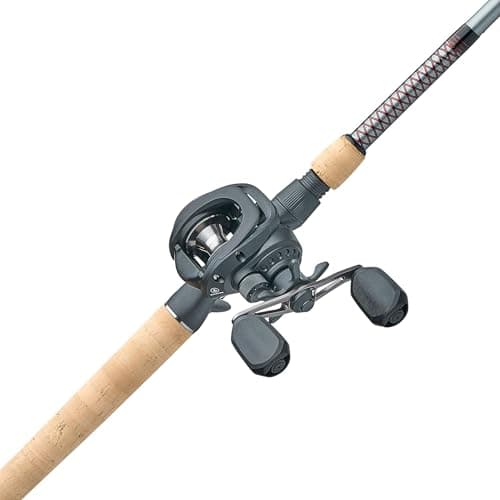
If you are buying your first real setup, buy spinning. Not because baitcasting is worse — it is better at several specific jobs — but because a baitcaster punishes a bad thumb with a backlash, and a backlash on your third cast of the day is how people stop fishing. Spinning gear has no equivalent failure mode.

Baitcasting earns its place when you are throwing heavier lures, fishing heavier line into cover, or want more control over where a lure lands. A baitcaster with a 6.8:1 gear ratio picking up 28 inches a turn recovers line far faster than a 5.2:1 spinning reel picking up 25 inches — and that matters when you are working a squarebill back to the boat all day.

How to read a combo's numbers

Rod power is how much force it takes to bend the blank; action is where along the blank it bends. Medium power with a fast action — bends near the tip, stiff through the middle — is the most useful single combination in freshwater, which is why nearly every beginner combo is sold that way.

Line rating on the rod is the honest constraint. A rod rated 6–15 lb spooled with 30 lb braid can be broken by the angler, because the line no longer gives before the blank does. Lure rating matters just as much for casting: a rod rated 1/4–5/8 oz will not load properly with a 1/16 oz jig, and your casts will be short and clumsy no matter how good your technique is.

Gear ratio is often quoted as though higher is better. It is not; it is a trade. A high ratio recovers line quickly and gives up torque. A 5.2:1 reel is a fine, even preferable, choice for a beginner because it is harder to fish a moving bait too fast with it.

Max drag is the number most worth checking and least often published. Where a maker does publish it — the GX2 combo range runs from 6 lb on the smallest size to 15 lb on the largest — it tells you the honest ceiling of what the outfit can fight. For freshwater, anything above about 10 lb is more than enough; you will loosen the drag well below the maximum anyway.

Two-piece rods are not a compromise

A two-piece rod fits in a car without threading it through the cabin, and on a modern blank the ferrule costs you very little. If you drive to your fishing, buy the two-piece. The exception is if you are chasing maximum sensitivity for finesse work, where a one-piece blank still has a small, real edge.

Questions people actually ask

What size rod and reel combo should a beginner buy?

A 6'6" to 7' medium-power spinning combo with a size 30 to 35 reel. That covers bass, walleye, catfish and most panfish on one outfit, casts lures from about 1/8 to 5/8 oz, and handles 8 to 12 lb line comfortably.

Is a baitcaster combo a bad first purchase?

It is not bad, it is harder. A baitcaster backlashes when the spool spins faster than line leaves it, which happens on mistimed casts and in wind. If you want one, buy a spinning combo first and add the baitcaster once you are casting confidently — that ordering costs you nothing and saves a frustrating month.

What does the reel size number mean on a combo?

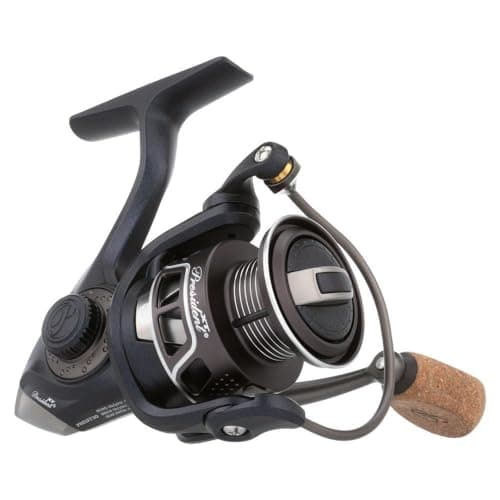
It is the maker's own scale for spool capacity and body size, not a standard. A Pflueger 30 and a Shimano 3000 are broadly comparable, but the honest way to compare is the published line capacity: a Pflueger President 30X holds 145 yd of 6 lb, and a Daiwa BG2500 holds 210 yd of 6 lb, which tells you far more than the number on the box.

Can I upgrade just the reel later?

Yes, and that is usually the best first upgrade. Reel seats are standardized enough that almost any spinning reel fits almost any spinning rod. Keep the combo rod, put a better reel on it, and you have improved the part you actually feel.

Where to go next

  • Setups

    Five complete builds. Each one is a rod, reel, line and starter lure selection chosen to work together for one species or one budget.

  • Rods

    Beginner rod picks plus the guides that make the spec sheet readable — power and action, graphite against fiberglass, and what a rod does that a pole does not.

  • Reels

    Spinning and baitcasting picks for a first real reel, plus the sizing guide that makes 2500 versus 3000 an actual decision instead of a guess.