Setups
A complete crappie setup, and why it needs its own rod
This is the one setup you genuinely cannot improvise from a bass rod, and the reason is a number printed above the handle.
By Sawyer V. · Last updated · How we pick

The short answer
Crappie jigs weigh 1/16 oz. A medium rod rated from 1/4 oz will not load with one, so it cannot cast it — no matter how good your technique is. That is why crappie needs a light-power rod rated from about 1/8 oz, with 4–6 lb line and a small reel to balance it.
Reel & Rig earns a commission from qualifying purchases made through links on this page, at no extra cost to you. It does not change which gear we pick or what we say about it. Full disclosure.
The stack, in the order you buy it
- 1. Rod and reel
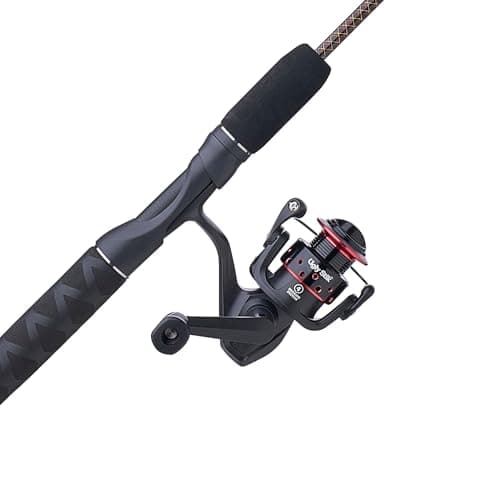
Ugly Stik GX2 Spinning Combo (5' Light / size 25)
$79.955 ft, light power, rated 4-10 lb line and 1/8-1/2 oz lures, with a size 25 reel and a published 8 lb max drag. That 1/8 oz bottom on the lure rating is the whole reason this build exists — a medium rod starts at 1/4 oz and cannot cast a crappie jig.
$79.95 · Check price on Amazon#ad how this is funded · price as of October 19, 2026
- 2. Reel upgrade
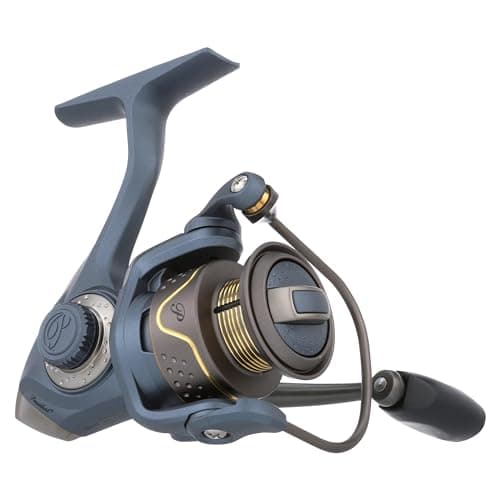
Pflueger President Spinning Reel (25X)
$73.02If you buy the rod separately, this is the reel: 8.1 oz holding 110 yd of 4 lb at 22.4 in per turn. Small enough to balance a light blank and to fill properly with 4 lb line, which a 2500 does not.
$73.02 · Check price on Amazon#ad how this is funded · price as of October 19, 2026
- 3. Line
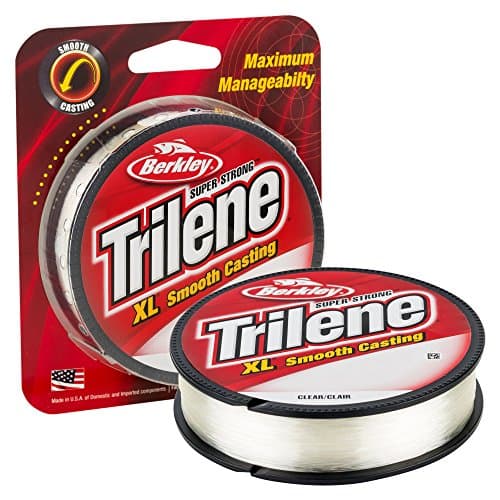
Berkley Trilene XL Monofilament Line
$8.976 lb at 0.009 in, or 4 lb if you can find it — light enough that a 1/16 oz jig sinks naturally rather than being held up by line drag. This is the component people over-specify most on a crappie setup.
$8.97 · Check price on Amazon#ad how this is funded · price as of October 19, 2026
- 4. Bait
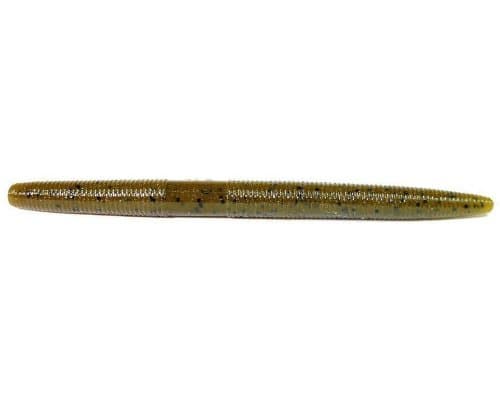
Gary Yamamoto Senko
$7.99The 3 or 4-inch size, cut in half and threaded on a 1/16 oz jig head. Salt impregnated so it falls with a shimmy on the drop, which is when crappie almost always take it.
$7.99 · Check price on Amazon#ad how this is funded · price as of October 19, 2026
We do not print a running total here. Every one of these prices moves independently, and a total we typed last week would be wrong today — check the five current prices above and add them up, which takes about twenty seconds and is always right.
Why a bass rod does not work
A rod casts by flexing under the weight of the lure and unloading. That is not a metaphor; it is the mechanism, and it is why the printed lure rating is a hard constraint rather than a suggestion.
A 1/16 oz jig weighs about 1.8 grams. A rod rated 1/4–5/8 oz was designed to bend under something four to ten times that. Put the jig on and nothing happens — the rod stays straight, your cast goes twenty feet, and you conclude you are bad at casting.
You are not. The rod is wrong, and no amount of practice changes it.
| Lure | Weight | Light rod (1/8–1/2 oz) | Medium rod (1/4–5/8 oz) |
|---|---|---|---|
| 1/32 oz jig | 0.9 g | Marginal | No |
| 1/16 oz jig | 1.8 g | Yes | No |
| 1/8 oz jig | 3.5 g | Yes | Marginal |
| 1/16 oz jig under a float | ~1/4 oz with float | Yes | Yes |
Note the last row, because it is the genuine workaround. Adding a small float brings the total casting weight up into a medium rod’s window. If you only own a bass setup, that is how you fish for crappie with it — and it works well.
Match the setup to your water
Brush piles and docks, close in
The 5-foot combo above is right. Short is an advantage here: you are often flipping a jig into a specific gap rather than casting, and a long rod is in the way.
Open water, suspended fish
Change the rod for length. A 7-foot light rod casts much further, and when crappie suspend out over a flat, reach is the constraint. Everything else stays.
Vertical fishing over structure
This is where a genuine crappie pole earns its keep — a long rod, sometimes ten or twelve feet, with the line tied to the tip and no reel. You lower a jig into a gap in brush and lift the fish straight out before it can wrap you. See rod vs pole for what that equipment actually is.
Fish the fall
Crappie almost always take a jig as it sinks, and they take it gently. The single most useful technique change is to watch your line rather than feel for a bite.
Cast, and watch the line where it enters the water. It should sink at a steady rate. If it stops sinking, jumps, or starts moving sideways, a fish has it. Set the hook — gently, because a crappie’s mouth is thin membrane and a hard hookset tears straight through.
This is also why light line matters beyond visibility. Thicker line has more water resistance and holds a light jig up, slowing and flattening the fall, and the fall is the entire presentation.
A float is not a downgrade
Fishing a small jig under a float is often described as the beginner version. It is frequently just better.
A float does three things: it adds casting weight, it holds the jig at a fixed depth so it stays in front of suspended fish, and it shows you bites you would never detect otherwise — a crappie lifting a jig on slack line makes a float lie flat, which is unmissable.
Set it so the jig hangs a foot or two above where the fish are holding. Crappie feed upward and will rise to a bait; they rarely go down for one.
One step up
A 7-foot light-power rod rather than the 5-foot combo, keeping everything else. The reach is the upgrade — it lets you fish suspended fish over open water, which the short rod cannot reach, while still casting 1/16 oz.
Pair it with the Pflueger President 25X, which at 8.1 oz holding 110 yards of 4 lb is sized correctly for a light blank in a way a 2500 is not.
What you still need
- 1/32 and 1/16 oz jig heads. The core presentation. Buy more than you think; brush eats them.
- Small floats. A pack costs almost nothing and genuinely improves your bite detection.
- Small soft plastics. Two-inch tubes or grubs, or a stickbait cut in half.
- A net. Crappie mouths tear easily, and lifting one out by the line loses fish at the last second.
Why crappie is the right fish to start on
Worth saying plainly on a site aimed at someone buying their first real setup. Crappie are abundant, they school so catching one usually means catching several, they are caught on simple presentations, and they are excellent to eat.
A day of steady crappie teaches you more about how fish relate to structure than a day of not catching a bass, and it is considerably more fun.
Questions people actually ask
What is a good crappie fishing setup for beginners?
A light-power rod rated from about 1/8 oz, a small reel in the 25 or 1000 size, and 4-6 lb line. The lure rating is the critical spec — crappie jigs weigh 1/16 oz and a medium rod rated from 1/4 oz cannot cast them.
Can I use my bass rod for crappie?
Only with a float. A 1/16 oz jig weighs about 1.8 grams and will not load a rod rated from 1/4 oz, so your casts die twenty feet out. Adding a small float brings the total casting weight into a medium rod's window, and it fishes well.
What size jig for crappie?
A thirty-second to an eighth of an ounce, with 1/16 oz as the standard. Lighter falls more slowly, which triggers more bites; heavier casts further and holds depth better in wind or current.
What line should I use for crappie?
Four to six pound monofilament. Beyond visibility, thin line matters because water resistance on thicker line holds a light jig up and flattens its fall — and the fall is when crappie take it.
How do you detect a crappie bite?
Watch your line rather than feeling for it. Crappie take a jig gently on the drop, so the tell is the line stopping its steady sink, jumping, or moving sideways. Under a float, the float lying flat means a fish has lifted the jig.
Read next
Sources
Prices on this page come from the retailer at request time and change without notice. If we cannot get a live one we say “check price” rather than show you a number that has gone stale. How we pick.