What to actually spool
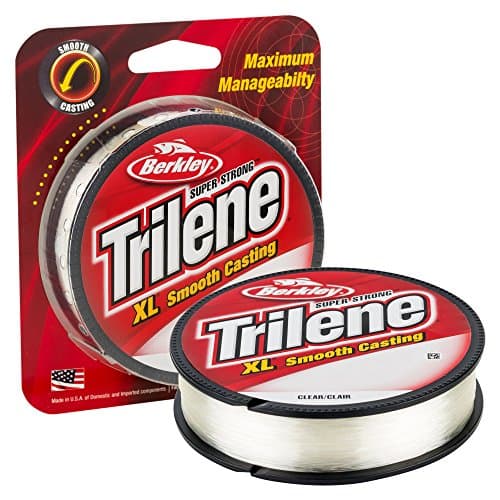
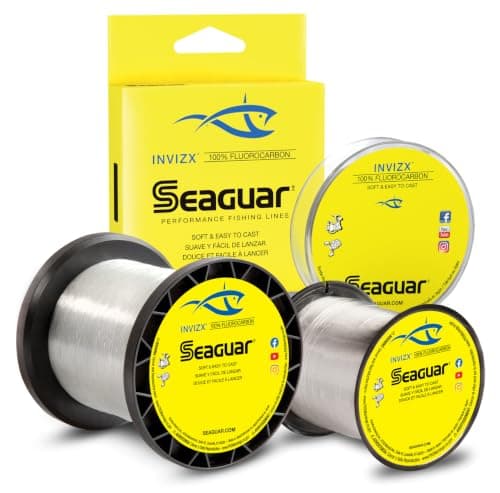
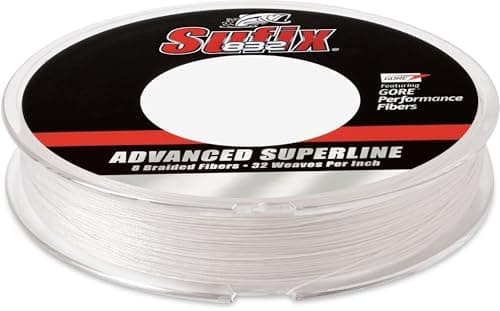
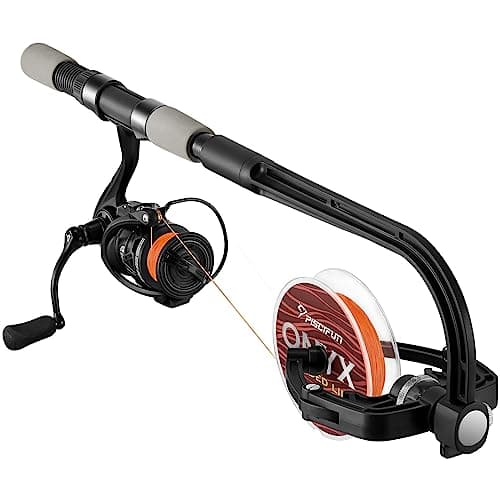
For a first real setup, the most useful answer is 10 lb monofilament. It knots forgivingly, it is cheap enough to change often, and its stretch covers up the hooksets you have not learned yet. Trilene XL at 10 lb measures 0.011 inches, which fills a 2500-size spool nicely.
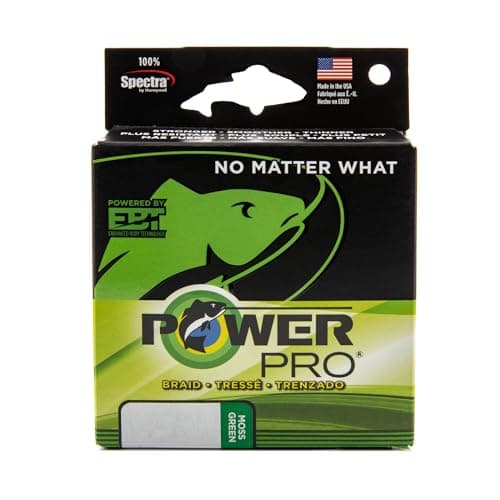
The upgrade, once you are casting confidently, is braid with a fluorocarbon leader: 20 or 30 lb braid as your main line, with two to four feet of 10–15 lb fluorocarbon tied on. You get braid’s sensitivity and thin diameter with fluorocarbon’s invisibility at the business end. It requires one extra knot and it is worth learning.
Do not spool straight braid on a rod rated 6–14 lb and then fish 30 lb braid hard into cover. The line will no longer be the weak point in the system; the rod will.
The starter lure box is smaller than you think
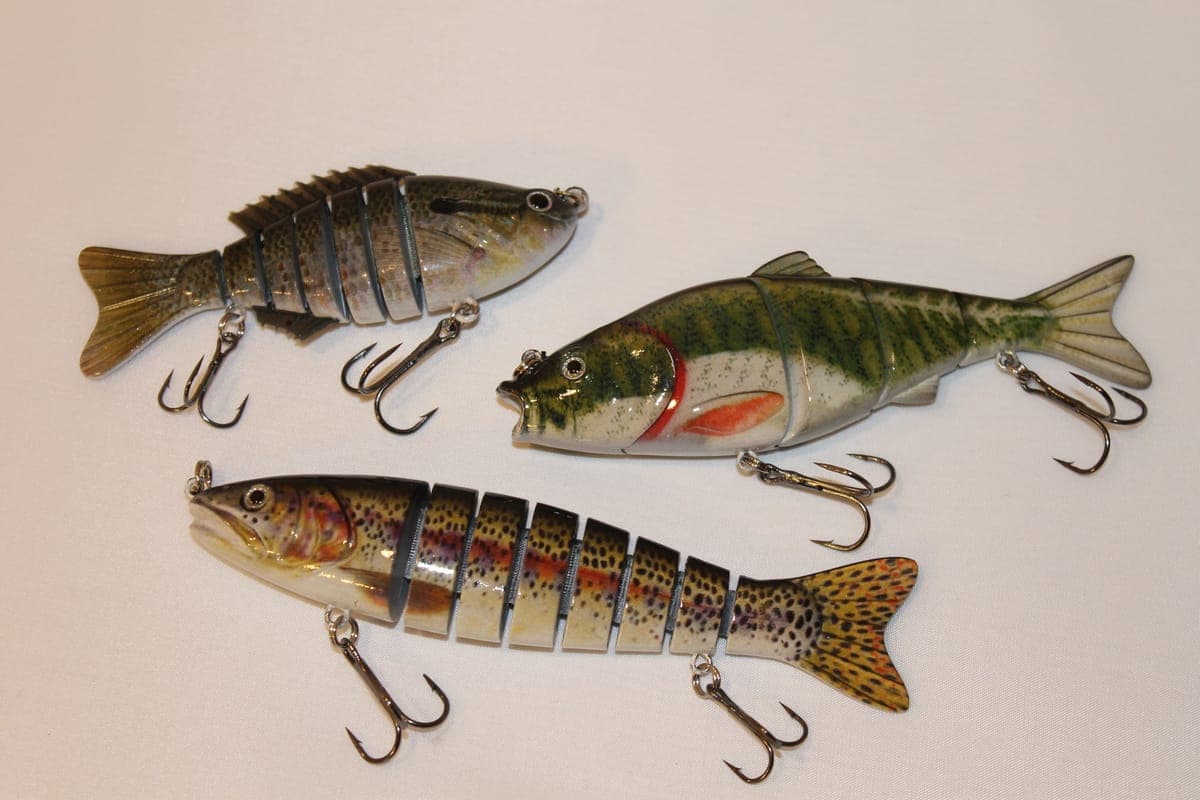
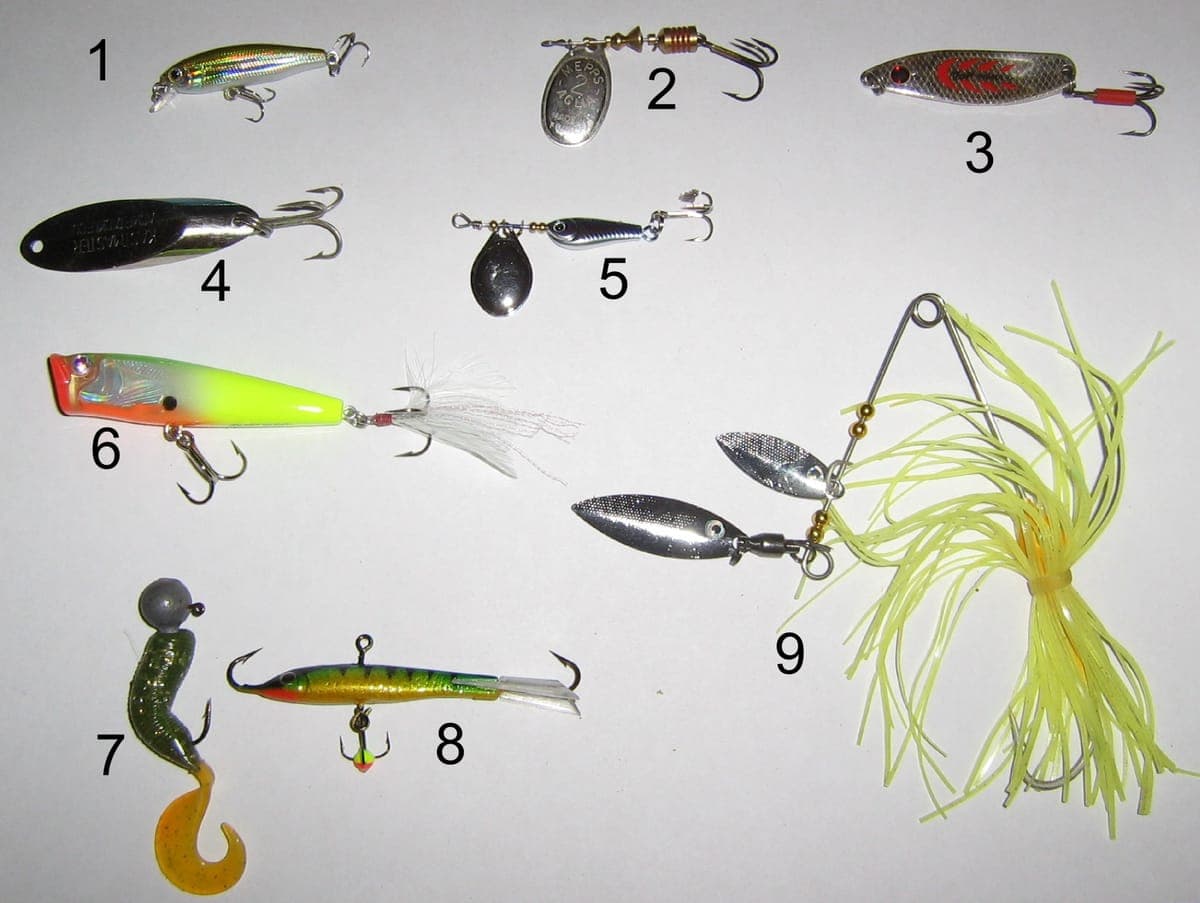
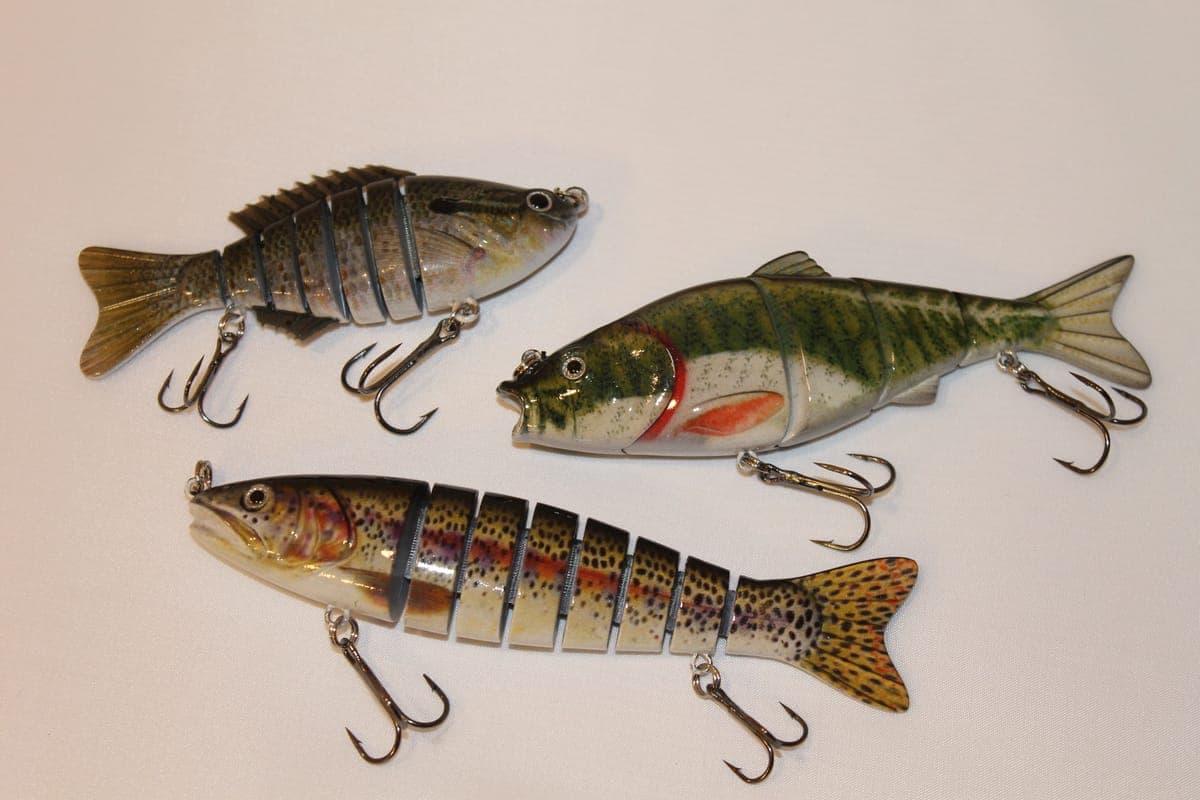
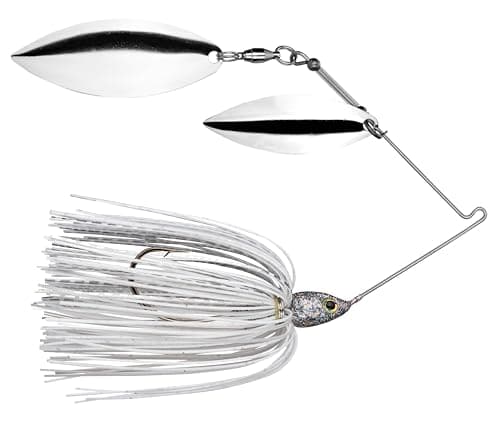
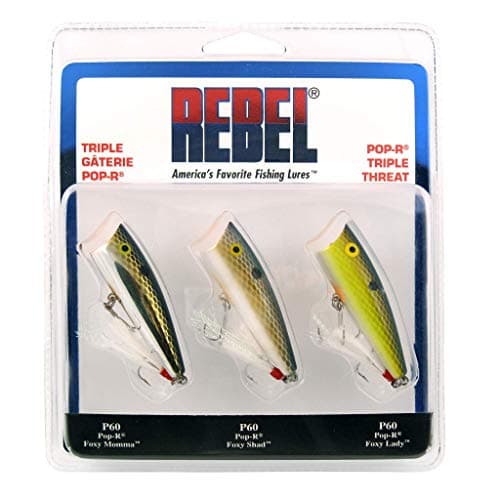
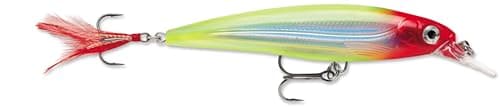
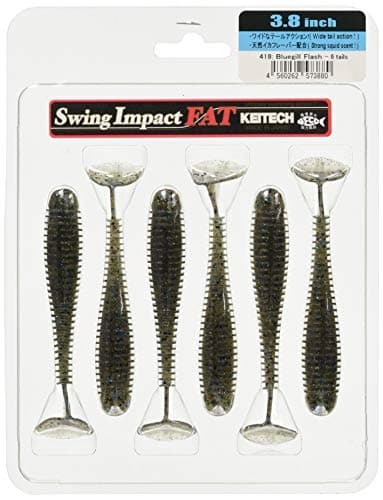
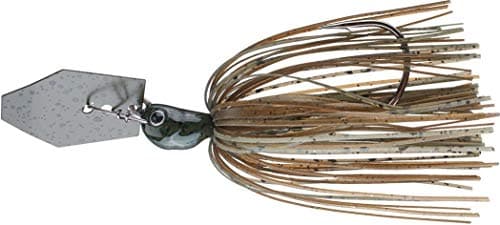
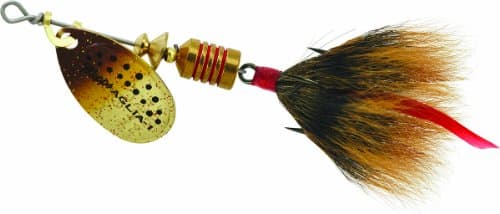
Four lure types cover most freshwater situations, and buying more than that early is how people end up with three hundred dollars of tackle and one confused afternoon.
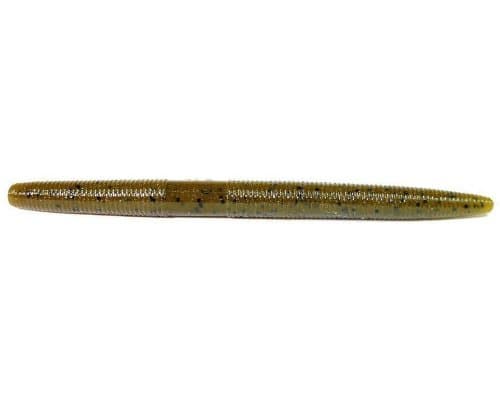
A soft stickbait — the Yamamoto Senko is the archetype, heavily salt impregnated so it falls horizontally with a shimmy — catches fish rigged weightless with no action from you at all. It is the single most forgiving lure in freshwater.
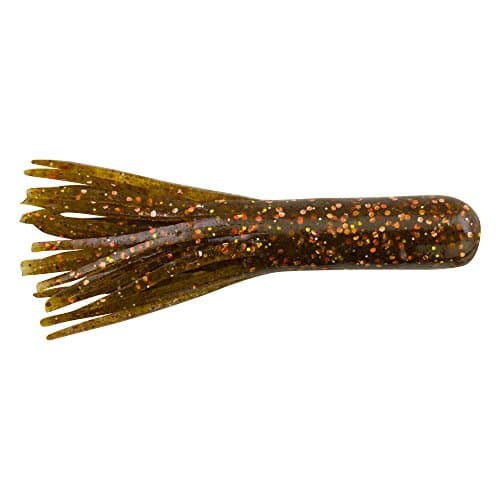
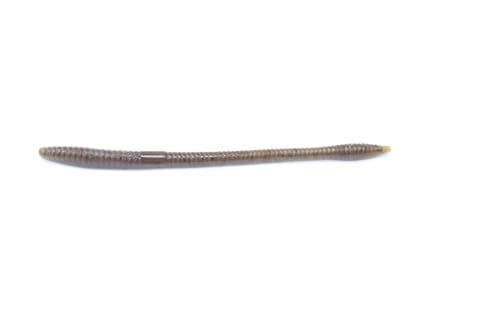
A straight-tail worm like the Zoom Trick Worm, 6.5 inches and twenty to a pack, does the same job Texas-rigged where there is cover to get through.
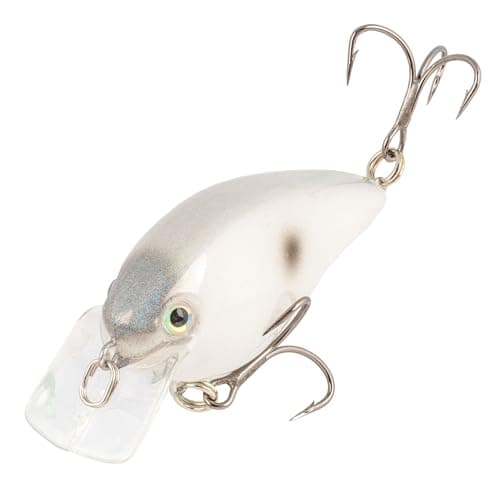
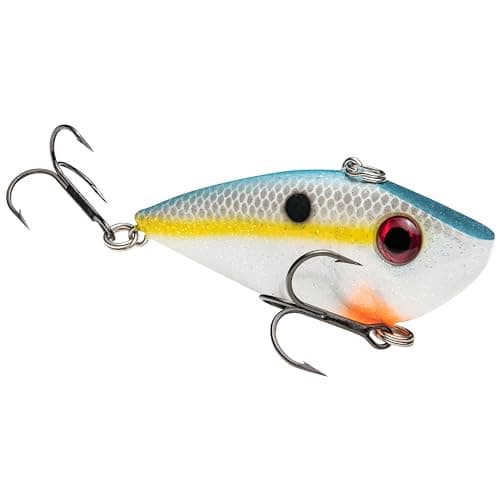
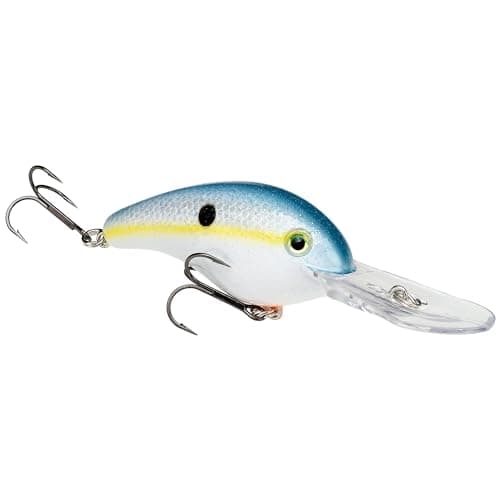
A squarebill crankbait covers water fast. The Strike King KVD 1.5 runs 3–6 feet, weighs 3/8 oz and has a square lip designed to deflect off cover rather than snag in it. Deflection is what triggers the strike, so throwing it at rocks and laydowns on purpose is the technique.
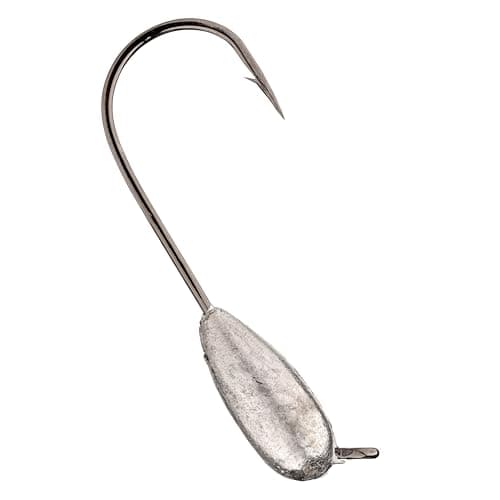
A small jig in 1/16 to 1/8 oz covers crappie and panfish, which is most of what beginners actually catch and most of what makes a day fun.
Storage: the 3700 footprint is the standard, use it
Utility boxes come in numbered footprints, and 3700 is the one the industry has settled on — roughly 14 × 9 inches. Bags, backpacks and boat lockers are built around it. Buying 3700 boxes means anything you buy later fits anything else you buy later.
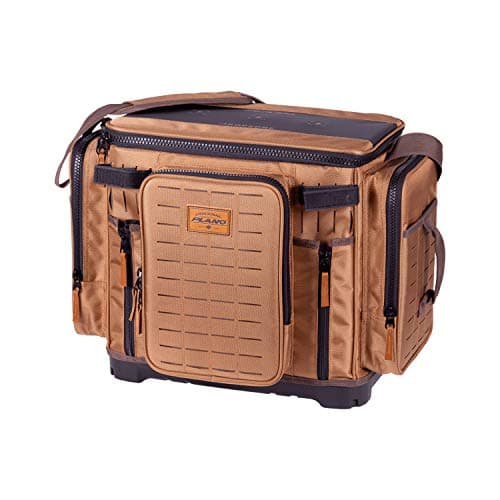
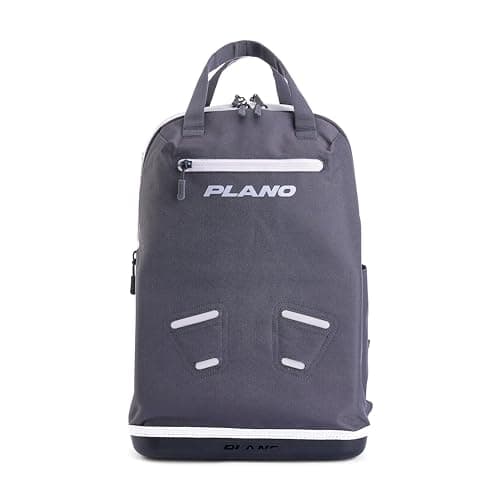
One bag with four to six 3700 boxes is the whole answer for years. A Plano Guide Series 3700XL measures 20 × 11 × 14.5 inches and ships with ten StowAway boxes, which is more storage than a first-season angler will fill. If you want less, a two-tier 3700 box on its own holds thirteen to forty-five compartments in a 14 × 9 × 2.75-inch shell and costs a fraction as much.
One thing to skip: the sectioned plastic tackle box with a fold-out tray. It looks like what a tackle box is supposed to look like, the compartments are the wrong sizes for modern soft plastics, and nothing about it fits any other system you will buy.
Rigs, by the fish you are rigging for
A rig is a depth-and-speed decision before it is a tackle decision, and the four species most people on this site fish for want four different answers. Our walleye rigs page sorts the bottom bouncer, the Lindy rig, the slip float and the jig by trolling speed; the catfish rigs page covers the slip sinker and the Santee Cooper rig and why you never set a circle hook; and the trout rigs page covers the sliding sinker rig that catches most stocked trout in the country.
Two companion pages sit alongside them. Pike have teeth that cut line, and our wire leaders page has the published 7x7 diameters and the honest case for heavy fluorocarbon instead. And three of these rigs want live bait, which dies of heat and ammonia long before it dies of anything else — keeping live bait alive is the page for that.
Line and plastics, in more detail
The line section above is the short version. Mono still wins three specific jobs and our monofilament page compares three of them on published diameters; if you have run into a spool marked PE 2 and wondered what that means in pounds, our PE braid ratings page publishes two charts that disagree and explains why.
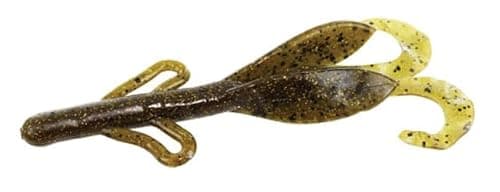
On the soft plastic side, the plastic worms page sorts five worms by published length and pack count, the creature baits page covers the bulky appendage-heavy plastics for flipping cover, and shaky head against Ned rig settles the two finesse rigs on published head weights and hook sizes.
After dark, the specification that matters is not brightness
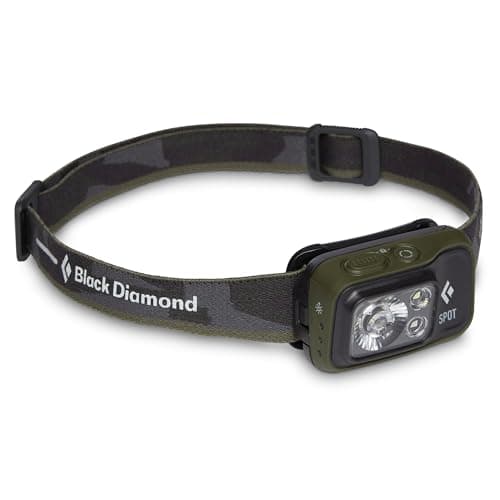
Fishing at either end of the day means a headlamp, and the category is sold on maximum lumens when the figures that actually decide it are a red LED, a published water rating with a test condition behind it, and a battery you can replace with cold hands. Our headlamps for fishing page works through those four criteria and compares two lights on published output, runtime and water rating — including the one that publishes no water rating at all.
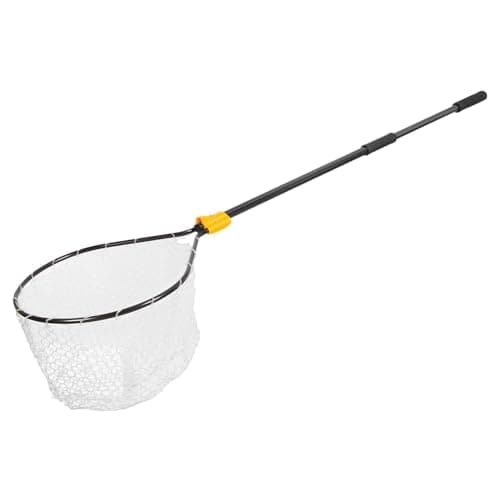
If you want the weight, weigh it in the net
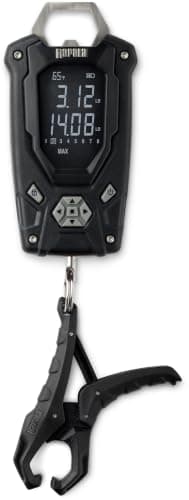
Recording a personal best does not have to cost the fish anything, and the feature that decides it is tare: zero the scale against your wet empty net, then weigh fish and net together and read the fish straight off. Our fishing scales page compares two digital scales on published tare, display, memory and water resistance, explains why we do not recommend the combined gripper-and-scale tools, and notes that neither maker publishes an accuracy figure at all.