Setups
A complete walleye setup, built around how you fish for them
Walleye ask for a softer tip and lighter line than bass do, and the reason is how they take a bait.
By Sawyer V. · Last updated · How we pick
The short answer
The core walleye setup: a 7′ medium spinning rod, a 2500-size reel with plenty of line, and 8–10 lb line — lighter than the bass build. Walleye often take a bait softly and swim toward you with it, so you need a rod that shows a bite you cannot feel and line thin enough not to telegraph resistance.
Reel & Rig earns a commission from qualifying purchases made through links on this page, at no extra cost to you. It does not change which gear we pick or what we say about it. Full disclosure.
The stack, in the order you buy it
- 1. Rod
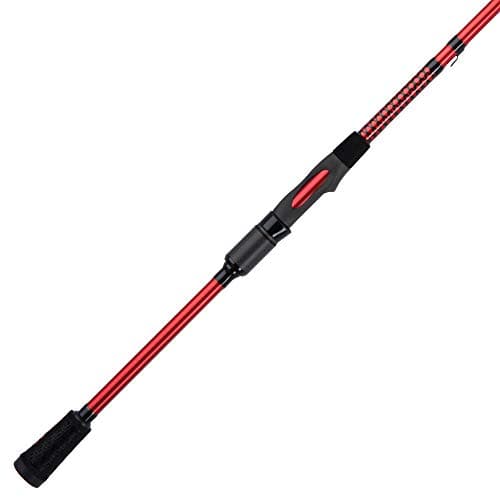
Ugly Stik Carbon Spinning Rod (7' Medium)
$99.957 ft, medium, fast, rated 6-12 lb and from 3/16 oz. The graphite blank matters more here than for bass — a walleye bite is often just a change in pressure, and a duller rod costs you fish you never knew were there.
$99.95 · Check price on Amazon#ad how this is funded · price as of October 19, 2026
- 2. ReelNo photo
Daiwa BG Spinning Reel (BG2500)
Check priceThe BG2500 holds 210 yd of 6 lb and recovers 33.2 in per turn. The capacity is insurance on a fish that runs, and the waterproof Carbon ATD drag is the component you actually feel when one does.
- 3. Line
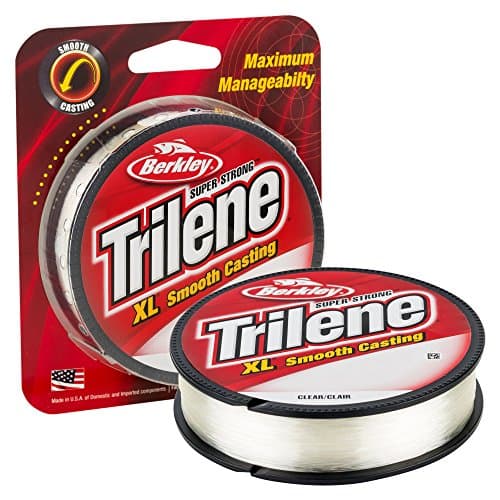
Berkley Trilene XL Monofilament Line
$8.978 lb at 0.010 in — one step lighter than the bass build. Walleye are more line-shy and often in clearer water, and the thinner diameter also lets a light jig sink more naturally.
$8.97 · Check price on Amazon#ad how this is funded · price as of October 19, 2026
- 4. Jig plastic
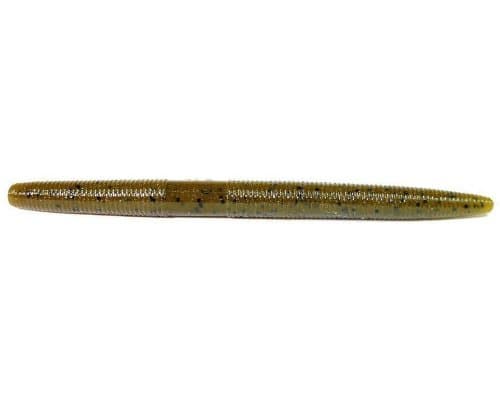
Gary Yamamoto Senko
$7.99The 4-inch size on a jig head is a genuinely effective walleye presentation. Salt impregnated so it falls with a shimmy, and small enough to suit a fish that eats smaller prey than a bass does.
$7.99 · Check price on Amazon#ad how this is funded · price as of October 19, 2026
- 5. Search bait
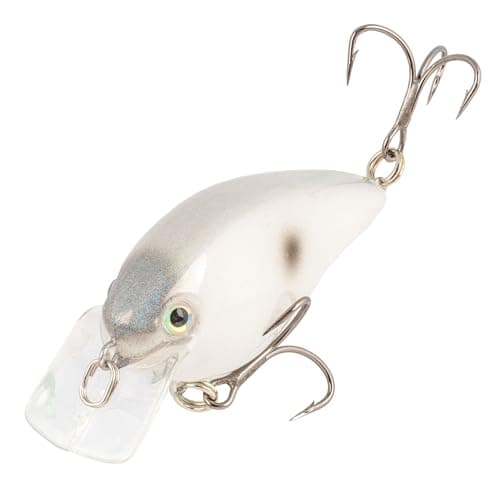
Strike King KVD 1.5 HC Squarebill Silent Crankbait
$11.993/8 oz running 3-6 ft. Walleye relate to hard bottom and rock transitions, and a squarebill deflecting off rock is one of the better ways to find those transitions and trigger a fish at the same time.
$11.99 · Check price on Amazon#ad how this is funded · price as of October 19, 2026
We do not print a running total here. Every one of these prices moves independently, and a total we typed last week would be wrong today — check the five current prices above and add them up, which takes about twenty seconds and is always right.
Why this is not just the bass setup
Three genuine differences, all downstream of how walleye behave.
They take softly. A bass usually inhales a bait and turns. A walleye often picks it up and moves toward you, which reduces line tension rather than increasing it. That is why bite detection matters more, and why a graphite blank is worth the trade here even though it is worse with treble hooks.
They are more line-shy. Walleye are frequently in clearer water and are more sensitive to visible line. Eight pound rather than ten is a real difference, and fluorocarbon leaders matter more here than for bass.
They relate to bottom. Rock, gravel, hard-to-soft transitions, the edge of a drop-off. Almost every walleye presentation is fished on or near bottom, which is another argument for a sensitive rod and thin line.
Match the setup to your water
Lake, jigging
The build above, unchanged. Cast a 1/4 oz jig, let it hit bottom, and drag or hop it slowly. Bites feel like weight, or like nothing at all until your line goes slack.
River, current
Same rod and reel, heavier jig heads — 3/8 to 1/2 oz to hold bottom in flow. Consider moving up to 10 lb line for abrasion resistance against rock, accepting the visibility cost.
Trolling
A genuinely different discipline, and this is not the setup for it. Trolling wants a longer, softer rod in a holder and a reel with a smooth drag at very low speeds, plus line-counter capability to repeat depths. If trolling is how you intend to fish, that is a separate purchase and we would rather say so than pretend this build covers it.
The component check
| Check | The numbers | Verdict |
|---|---|---|
| Line rating vs reel capacity | Rod 6–12 lb; reel holds 210 yd of 6 lb, 170 yd of 8 lb | Generous |
| Line diameter vs spool | 8 lb Trilene XL = 0.010 in | Fills correctly |
| Lure weight vs rod window | Rod from 3/16 oz; 1/4 oz jig, 3/8 oz crankbait | Inside, with room below |
| Reel weight vs blank | 9.3 oz on a 7 ft medium graphite | Slightly reel-heavy, acceptable |
That last row is an honest note. The BG2500 at 9.3 oz is half an ounce heavier than the Pflueger President, and on a light graphite blank you can feel it. We think the capacity and the waterproof drag are worth it on a fish that runs; if you disagree, the President is the swap.
A tighter budget
The Abu Garcia Max Elite spinning combo in 7′ medium. Rated 6–12 lb and 3/16–5/8 oz on a 30-ton graphite blank — effectively the same specification as the rod above — with a 7.8 oz, nine-bearing, 6.2:1 reel holding 175 yards of 8 lb.
That combo is unusually well matched to walleye fishing and it costs meaningfully less than the rod and reel above bought separately. Keep the 8 lb line.
One step up
Not a different rod. Change the line.
Move to 15 lb Power Pro braid at 0.007 inches — the diameter of 4 lb mono — with three feet of 10 lb Seaguar InvizX at 0.010 in as a leader.
For walleye specifically this is the largest available improvement. Zero stretch means you feel a bite that a stretchy line would absorb entirely, and the fluorocarbon leader restores the invisibility that walleye genuinely care about. It costs less than upgrading the rod and does more.
What you still need
- 1/8, 1/4 and 3/8 oz jig heads. The core walleye presentation, and you want the range to match depth and current.
- Fluorocarbon leader material if you go the braid route.
- A landing net. Walleye have small, easily torn mouths and a net loses far fewer fish at the boat than a hand does.
- Pliers. Walleye teeth are genuinely sharp.
Where and when
Two things that matter more than gear for this fish.
Low light. Walleye have exceptional low-light vision, which is their main advantage over prey. Dawn, dusk, night, and overcast or windy days are consistently better than bright still middays.
Bottom transitions. Where hard bottom meets soft, where rock gives way to sand, where a flat drops into deeper water. This is exactly what a fish finder is for, and walleye fishing is where a sonar unit pays back fastest.
Questions people actually ask
What is a good walleye setup for beginners?
A 7' medium spinning rod rated 6-12 lb with a graphite blank, a 2500-size reel with generous line capacity, and 8 lb line. The graphite matters here because walleye often take a bait softly and a duller rod misses those bites.
What line is best for walleye?
Eight pound monofilament to start, or 15 lb braid with a 10 lb fluorocarbon leader as the upgrade. Walleye are more line-shy than bass and often in clearer water, so thinner and less visible line genuinely matters.
What size jig for walleye?
An eighth to three-eighths of an ounce, matched to depth and current. Lighter in still shallow water where a slow fall triggers bites, heavier in a river where you need to hold bottom in flow.
When is the best time to fish for walleye?
Low light. Walleye have exceptional low-light vision, which is their main advantage over prey, so dawn, dusk, night, and overcast or windy days consistently outperform bright still middays.
Do I need a different setup for trolling walleye?
Yes, genuinely. Trolling wants a longer, softer rod that sits in a holder, a reel with a smooth drag at very low speeds, and ideally line-counter capability to repeat depths. A casting setup does not substitute for it.
Read next
Sources
Prices on this page come from the retailer at request time and change without notice. If we cannot get a live one we say “check price” rather than show you a number that has gone stale. How we pick.