Guide
Ice fishing gear for beginners: the short list that actually catches fish
The five-item starter list, what crosses over from open-water gear, and the four things worth skipping in a first season.

Reel & Rig
Two-foot rods, 1/32 oz jigs and 3 lb line. Almost nothing you learned in summer transfers, and the reasons are worth understanding before you buy.
Ice fishing is the one branch of freshwater where your existing gear is mostly wrong. Your rods are all four times too long and far too stiff. Your lures are five to ten times too heavy. Your line is twice the diameter it should be. Even your reel is being asked to do a different job.
That is not a marketing problem invented to sell you a second set of everything. It follows from one structural fact: you are not casting. You are dropping a lure down a hole and working it vertically, directly beneath your feet, at a depth you can see on a screen. Take casting out of fishing and most of the design constraints on a rod, a reel and a lure change or disappear.
The other structural fact is that winter fish bite differently. A crappie under ice will often rise to a jig and lift it, which puts less tension on your line rather than more. You cannot feel that. You have to see it — which is why ice rods have absurdly soft tips and why spring bobbers exist at all.
These pages are built ahead of the season rather than during it, which is deliberate: the gear is cheapest and best-stocked in autumn, and the worst time to work out what you need is the first cold snap.
Each of these carries a published-spec table for every pick, a current-price check on Amazon, and at least one thing we would skip.
Reel & Rig earns a commission from qualifying purchases made through links on this page, at no extra cost to you. It does not change which gear we pick or what we say about it. Full disclosure.
Guide
The five-item starter list, what crosses over from open-water gear, and the four things worth skipping in a first season.
Picks
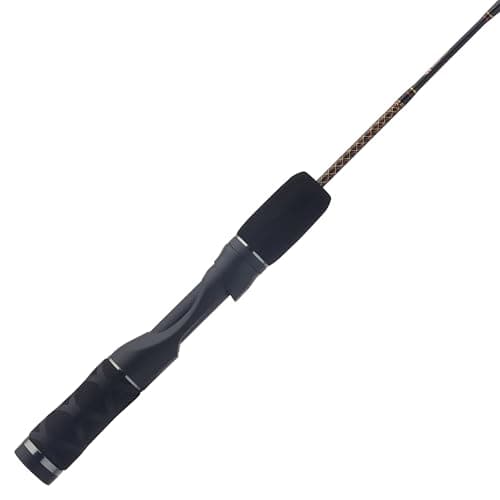
How the 26 to 36 inch ice rod ladder maps to species, and which single rod covers the most water.
Best all-round
$33.29Ugly Stik GX2 Ice Spinning Rod (28 in Medium)
#ad how this is funded · price as of October 19, 2026
Picks
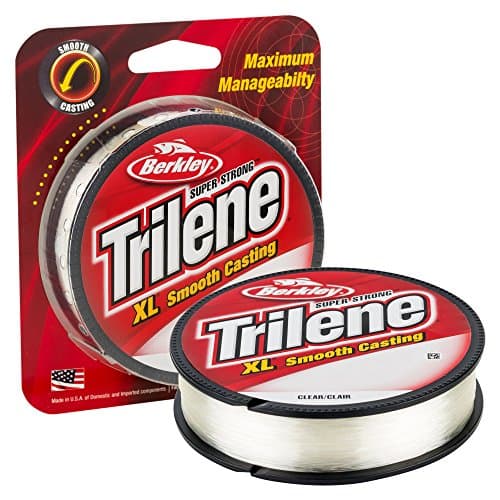
Why ice line runs 2-4 lb, the published diameters that explain it, and when fluorocarbon is worth the stiffness.
Best first ice line
$8.97Berkley Trilene XL Monofilament Line
#ad how this is funded · price as of October 19, 2026
Picks
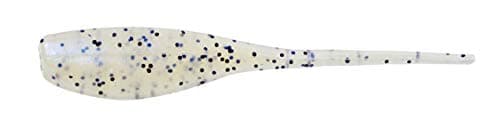
The small jig selection that covers a winter, plus the jigging cadence that actually triggers fish.
Best all-round ice plastic
$3.99Bobby Garland Original Baby Shad
#ad how this is funded · price as of October 19, 2026
Head to head
Where the panfish and walleye ice setups diverge, and the honest answer on whether one rod covers both.

Guide
Ice thickness guidelines, what makes ice unsafe in one spot and not another, and the four safety items worth carrying.

Guide
How a tip-up works mechanically, setting depth and bait, and how to run a spread of holes.
Picks
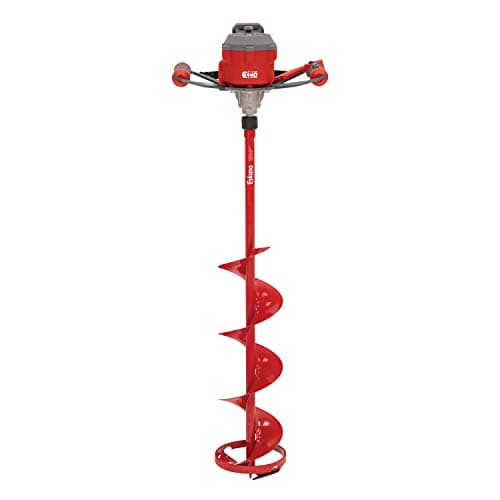
How to choose an ice auger by diameter and power source, with published weight and holes-per-charge figures.
Best ice auger
$499.99StrikeMaster Lithium 40v Ice Auger
#ad how this is funded · price as of October 19, 2026
Guide
Inline against spinning ice reels, why line twist matters more than drag, and what to look for in the cold.
Guide
Hub shelters against flip-overs, how fishable area maps to real person counts, and when insulation is worth it.
Picks
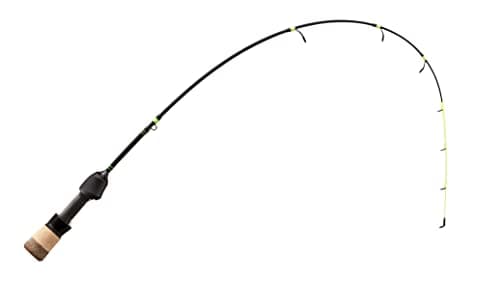
Four panfish ice rods compared on published lure rating, length and blank, with the flat-tip and spring-bobber question.
Best panfish ice rod
$69.9913 Fishing Tickle Stick Gen 3 (23 in Ultra Light)
#ad how this is funded · price as of October 19, 2026

Guide
The four ice fishing rigs — jig, deadstick, tip-up and dropper — with what each solves and how to tie it.
Guide
How to choose an ice fishing sled: poly against fabric, sizing, runners, hitches and what actually fails.

Guide
Ice fishing bibs and suits explained: flotation ratings, insulation, reinforced knees and seat, and how to size one.
Head to head
The GX2 Ice against the Carbon Ice at 28 in, on published power, line rating and blank material.
Best for walleye and pike
$33.29Ugly Stik GX2 Ice Spinning Rod (28 in Medium)
#ad how this is funded · price as of October 19, 2026
Head to head
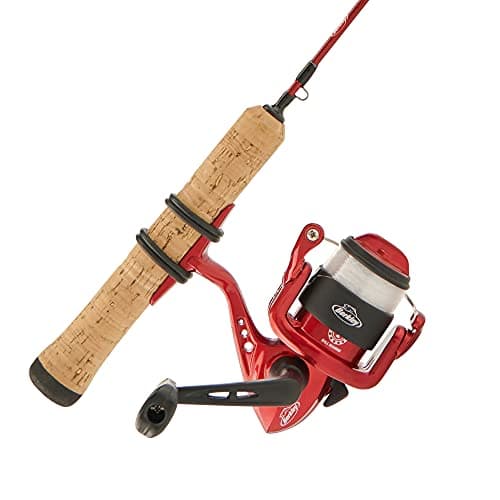
A complete pre-spooled ice combo against a dedicated panfish ice rod, compared on published blank, ratings and what you still have to buy.
Best complete first setup
$29.99Berkley Cherrywood HD Ice Spinning Combo (24 in Ultra Light)
#ad how this is funded · price as of October 19, 2026
Head to head
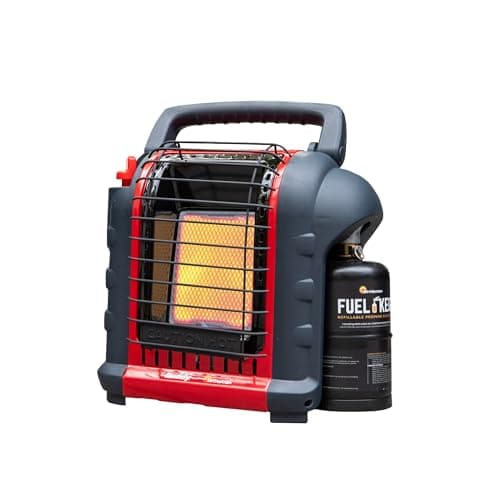
The 9,000 BTU Portable Buddy against the 3,800 BTU Little Buddy on published coverage, run time, weight and safety systems.
Best shelter heater
$89.97Mr. Heater Portable Buddy (MH9BX, 9,000 BTU)
#ad how this is funded · price as of October 19, 2026
Picks
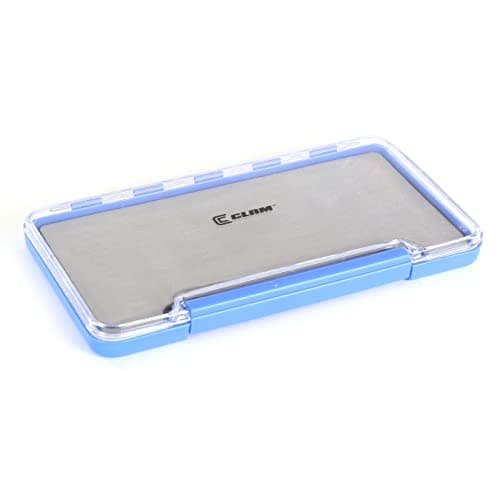
Five Clam ice jig boxes compared on slot type, seal and footprint, with the one to buy first.
Best ice jig box overall
$19.99Clam Slim Jig Box
#ad how this is funded · price as of October 19, 2026
Picks
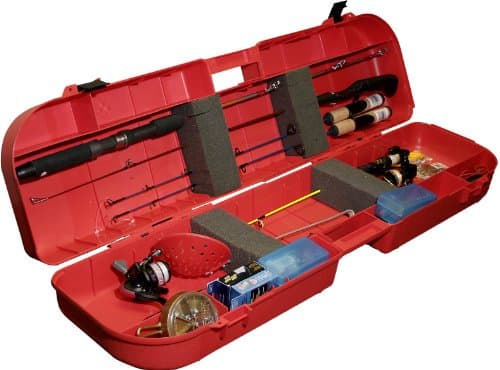
The 36 in MTM hard box against $10 of self-bonding wrap - which one your ice rods actually need.
Best ice rod case
$60.21MTM IFB-30 Ice Fishing Rod Box
#ad how this is funded · price as of October 19, 2026
Picks
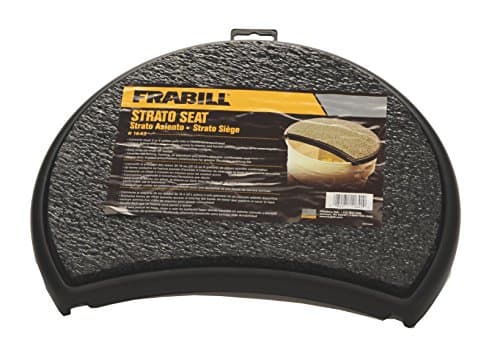
The snap-on seat lid against the insulated bucket that comes with one - and why capacity is the spec neither brand publishes.
Best ice bucket seat
$15.19Frabill Strato Seat
#ad how this is funded · price as of October 19, 2026
Picks
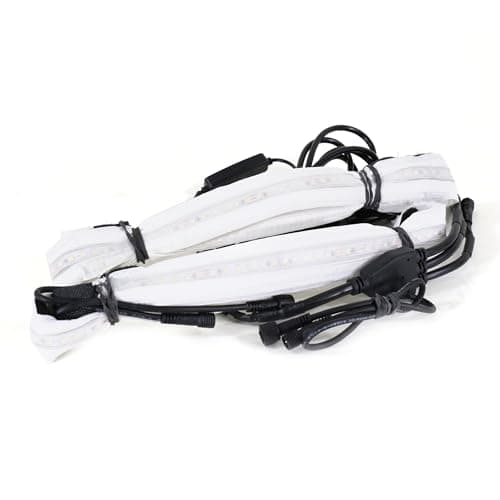
Three Clam shelter lighting kits compared on published output, dimming and power - and why mounted light beats a headlamp indoors.
Best shelter light
$68.99Clam Aurora LED Light Kit (Starter Kit)
#ad how this is funded · price as of October 19, 2026
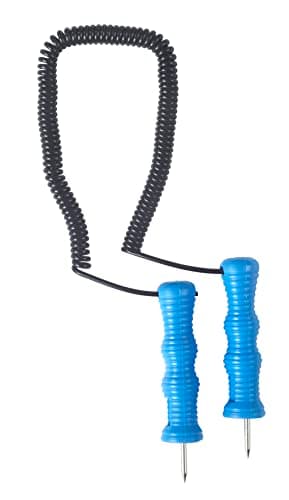
Picks
Ice fishing gifts in four price bands, from a $5 skimmer to a shelter heater, plus what not to buy.
Best ice fishing gift
$11.99Clam Ice Picks
#ad how this is funded · price as of October 19, 2026
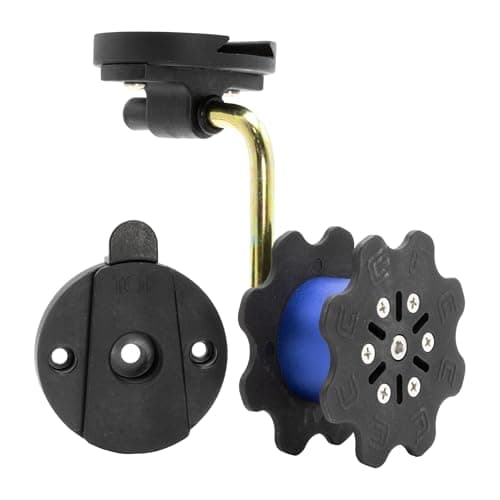
Picks
The rattle reel, the baseplate nobody mentions, and the $5 indicator - what a second-hole setup actually costs.
Best rattle reel
$59.99Clam ClamLock Vertical Rattle Reel
#ad how this is funded · price as of October 19, 2026
Ice rods run roughly 24 to 36 inches. Ugly Stik publishes its GX2 ice range at 26, 28, 30, 32 and 36 inches, with power rising alongside length — the 26 inch is light and rated 2–6 lb, the 30 and 36 inch are medium-heavy at 6–10 lb.
Read that pairing, because it is the whole sizing logic. On ice, length is not about casting distance; it tracks the power you need and the space you have. Short and light for panfish in a shelter, longer and stronger for walleye and pike outside one.
This is the single biggest difference from open-water gear, and it is why a stiff rod on ice is not a slightly worse tool but a tool that cannot do the job.
Ice lures weigh 1/32 to 1/8 oz. A fish taking one applies almost no force. You detect it by watching the rod tip flex, unflex, or simply stop moving — not by feeling a pull. Any rod stiff enough to cast a summer lure is far too stiff to show you that.
No casting means spool design for distance is irrelevant, and very little running means drag capacity barely matters. What matters is behaving smoothly at very low retrieve speeds and not seizing when splashed water freezes in it.
A small conventional spinning reel works perfectly well. A Pflueger President 25X at 8.1 oz holding 110 yards of 4 lb is a sensible ice reel; you will never use most of that line and that is fine. Inline reels are popular partly because they put less twist into light line at low speed.
Two to four pound test is standard. Thin line lets a 1/32 oz jig fall naturally rather than being held up by water resistance, and the fall is most of the presentation. Trilene XL at 6 lb measures 0.009 inches if you want a little margin; the 4 lb equivalents are thinner still.
Fluorocarbon is common on ice for its low stretch in cold water, which helps a hookset on a soft bite at 25 feet.
In open water sonar is a search tool: you find something, then go back and cast at it. On ice there is no gap. You are directly above your lure, looking down the same hole the transducer points down, and you can watch a fish rise to it and decide.
That closes the feedback loop completely. You jig, you watch the reaction, you change the jigging. It is a genuinely different way of fishing and it is the reason ice anglers treat electronics as essential rather than optional.
Four inches of clear, solid ice is a widely used minimum for walking on. Thickness varies enormously across one lake — near inlets and outlets, over springs, around structure, and anywhere current moves beneath it. Local knowledge beats any general number, and nothing on this site is worth getting that wrong.
A heater does not catch fish and it belongs after the rod, the line, the bibs and the shelter. Once those are covered it is the purchase that turns a two-hour trip into an all-day one, and the choice comes down to one published figure: coverage in square feet against your shelter floor. Our Portable Buddy against Little Buddy comparison puts both Mr. Heater specification tables side by side, including the published run times, the 7,000 ft elevation limit, the oxygen depletion sensor and the Massachusetts restriction that catches people out at the checkout.
A 26 to 32 inch ice rod, a small spinning reel, 2 to 4 lb line, a handful of 1/32 to 1/8 oz jigs, and a way to make a hole. Everything else — shelter, sled, electronics — improves the day but is not required to catch a fish.
Because you are not casting. You drop the lure straight down a hole and work it vertically, often sitting a foot above the ice, so length buys you nothing and makes the rod unmanageable.
The reel usually crosses over — a small spinning reel is fine. The rod does not: open-water rods are four times too long and far too stiff to show a bite that a winter fish delivers with almost no force.
Two to four pound monofilament, or fluorocarbon for its lower stretch in cold water. Light line matters because water resistance on thicker line holds a 1/32 oz jig up and flattens its fall, and the fall is the presentation.
Four inches of clear, solid ice is a widely used minimum, but thickness varies enormously across a single lake — near inlets, over springs and anywhere current moves underneath. Local knowledge overrides any general figure.
Five complete builds. Each one is a rod, reel, line and starter lure selection chosen to work together for one species or one budget.
Beginner, bass, spinning, baitcasting and under-$100 combos, compared on the specs the makers publish rather than on the box copy.
Beginner rod picks plus the guides that make the spec sheet readable — power and action, graphite against fiberglass, and what a rod does that a pole does not.