Setups
A complete bass setup that matches your water
Rod, reel, line and four lures chosen to work together, with the arithmetic showing why. Plus a tighter build and a step up.
By Sawyer V. · Last updated · How we pick
The short answer
The core bass setup: a 7′ medium composite rod rated 6–14 lb, a 2500-size reel holding 130+ yd of 8 lb, 10 lb monofilament, and four lure types. Every one of those numbers is chosen against the others — the reel holds line the rod is rated for, and every lure sits inside the rod’s printed 1/4–5/8 oz window.
Reel & Rig earns a commission from qualifying purchases made through links on this page, at no extra cost to you. It does not change which gear we pick or what we say about it. Full disclosure.
The stack, in the order you buy it
- 1. Rod
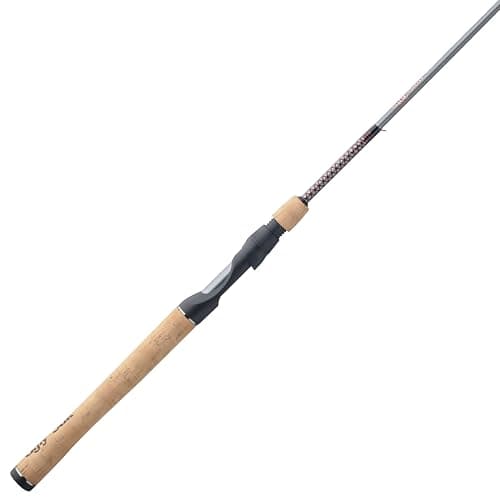
Ugly Stik Elite Spinning Rod (7' Medium)
$84.957 ft, medium, fast, rated 6-14 lb line and 1/4-5/8 oz lures. Composite blank, so it drives a hook through plastic and still holds treble hooks on a crankbait — which matters because bass fishing is both of those on the same day.
$84.95 · Check price on Amazon#ad how this is funded · price as of October 19, 2026
- 2. Reel
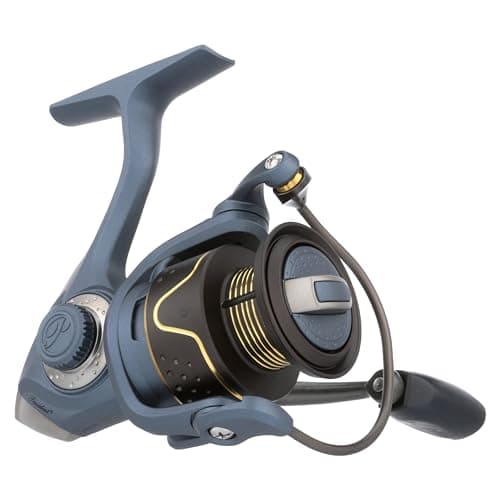
Pflueger President Spinning Reel (30X)
$73.36The 30X holds 145 yd of 6 lb or 130 yd of 8 lb at 8.8 oz, recovering 25.3 in per turn. That capacity sits squarely inside the rod's 6-14 lb rating, and the 5.2:1 ratio makes it harder to fish a crankbait too fast.
$73.36 · Check price on Amazon#ad how this is funded · price as of October 19, 2026
- 3. Line
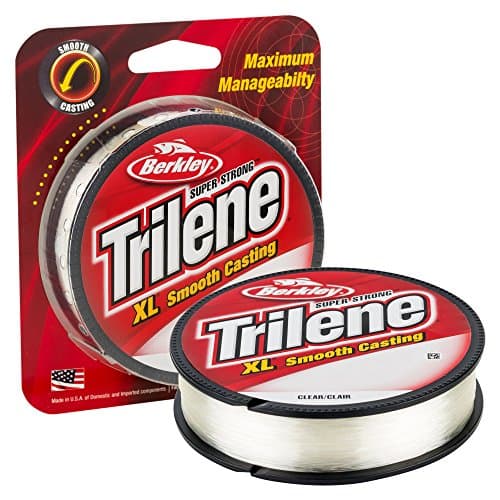
Berkley Trilene XL Monofilament Line
$8.9710 lb at 0.011 in fills a 2500-size spool properly and sits in the middle of the rod's rating. The stretch is deliberate here — it forgives the hard hooksets everyone starts with and stops trebles tearing free.
$8.97 · Check price on Amazon#ad how this is funded · price as of October 19, 2026
- 4. Soft plastic
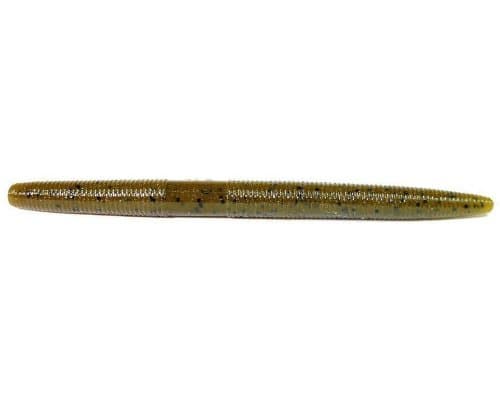
Gary Yamamoto Senko
$7.99The 5-inch size rigged weightless on a 4/0 hook weighs about 1/2 oz, right inside the rod's window. Heavily salt impregnated so it falls horizontally with a shimmy — most bites come on that fall and you do nothing to cause them.
$7.99 · Check price on Amazon#ad how this is funded · price as of October 19, 2026
- 5. Search bait
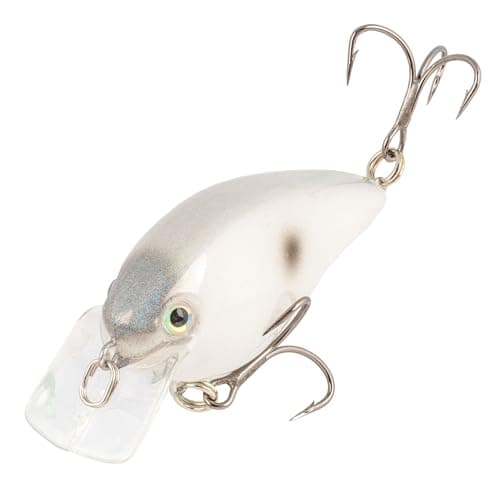
Strike King KVD 1.5 HC Squarebill Silent Crankbait
$11.993/8 oz, 2-1/4 in, runs 3-6 ft, no rattle. The square lip deflects off cover instead of snagging, and that deflection is what triggers strikes. This is what you throw to find out where fish are before slowing down.
$11.99 · Check price on Amazon#ad how this is funded · price as of October 19, 2026
We do not print a running total here. Every one of these prices moves independently, and a total we typed last week would be wrong today — check the five current prices above and add them up, which takes about twenty seconds and is always right.
Match the setup to your water first
The components above are the general answer. Three situations change it, and the change is usually the rod rather than everything else.
Open water: points, flats, deep weed edges
The build above, unchanged. A medium rod on 10 lb line covers this completely, and the composite blank means you can throw a squarebill along a weed edge and a weightless stickbait over the top of it without swapping rods.
Heavy cover: pads, matted weed, laydowns
Change the rod, and only the rod. You need medium-heavy rated 8–20 lb, because you are not fighting the fish so much as extracting it before it wraps you around something. Move to 15 lb mono or 30 lb braid at the same time — those two changes go together, and doing one without the other is how rods break.
Bank fishing
Change the rod for length. A 7′6″ blank buys casting distance you cannot get any other way when you cannot reposition. Everything below the rod stays the same.
The arithmetic that makes this a setup rather than a list
Three checks, all of which this build passes and most assembled-by-guesswork builds do not.
| Check | The numbers | Verdict |
|---|---|---|
| Line rating vs reel capacity | Rod 6–14 lb; reel holds 130 yd of 8 lb | Agrees |
| Line diameter vs spool | 10 lb Trilene XL = 0.011 in on a 2500-size spool | Fills correctly |
| Lure weight vs rod window | Rod 1/4–5/8 oz; stickbait ~1/2 oz, crankbait 3/8 oz | Both inside |
| Reel weight vs blank | 8.8 oz reel on a 7 ft medium | Balanced |
None of these checks is difficult. They are just never done, because product pages compare a rod to other rods and a reel to other reels, and nothing on either page mentions the other.
A tighter budget
A complete swap rather than a single substitution, because that is how budgets actually work.
Buy the Ugly Stik GX2 combo in 6′6″ medium with the size 35 reel. It is rated 6–15 lb line and 1/8–5/8 oz lures with a published 12 lb maximum drag — a complete, matched outfit at meaningfully less than the rod and reel above cost separately.
Keep the line and the lures identical. Those are the components where saving money costs you fish, and they are also the cheapest items in the build.
What you give up is sensitivity. The GX2 blank is the most fiberglass-heavy in the Ugly Stik range — you will feel a fish take and you will not feel bottom composition.
One step up
Also a complete swap, and it is not the obvious one.
Move the rod to the Ugly Stik Carbon in 7′ medium— published as 100% 24-ton graphite with a solid graphite tip, rated 6–12 lb and 3/16–5/8 oz. That 3/16 oz bottom end is the real upgrade: it means light Texas rigs and shaky heads load the rod, which the 1/4 oz-rated Elite does not do as well.
Move the reel to the Daiwa BG2500— 210 yd of 6 lb and 33.2 in per turn against the President’s 145 and 25.3, with a waterproof carbon drag. The extra half-ounce is the cost.
Move the line to 20 lb Power Pro braid(0.009 in, the diameter of 6 lb mono) with a 12 lb InvizX leader (0.011 in). That is the single largest sensitivity change available and it costs less than either gear upgrade.
Note the trade: braid’s zero stretch makes the crankbait worse. That is a real cost of the upgrade, not an oversight.
What you still need
Roughly another $25, and none of it is optional.
- 3/0 and 4/0 offset worm hooks. Soft plastics come unrigged.
- 3/16 and 1/4 oz bullet weights for Texas rigging.
- Needle-nose pliers. Not optional with treble hooks.
- Line clippers. Teeth work until they do not.
- A fishing license. Required in every state, cheap, and enforced.
What to do on your first trip
Fish the squarebill first. Cover water fast along a bank with any structure — wood, rock, a weed edge — and throw it at the cover rather than past it. You are finding out where fish are.
When you get a bite or see activity, slow down and work the same area with the weightless stickbait. Cast, let it sink on a semi-slack line, and watch where the line enters the water. If it jumps or moves sideways, set the hook.
That two-lure sequence — find fast, then fish slow — is the whole of bass fishing strategy, and it works on the first day.
Questions people actually ask
What is a good bass fishing setup for beginners?
A 7' medium spinning rod rated 6-14 lb, a 2500 or 30-size reel holding at least 130 yd of 8 lb line, 10 lb monofilament, and four lure types. The important part is that each component is chosen against the others rather than picked independently.
What line should I use for bass fishing?
Ten pound monofilament on a first setup. It measures 0.011 in, sits mid-range in a 6-14 lb rod rating, and its stretch forgives hard hooksets and stops crankbait trebles tearing free. Upgrade to 20 lb braid with a fluorocarbon leader once you are casting consistently.
How much does a complete bass setup cost?
Roughly $120 to $250 for rod, reel, line and a starter lure selection, plus about $25 for hooks, weights, pliers and clippers. A combo-based build comes in meaningfully lower without giving up anything that catches fish.
What lures do I need for bass?
Two to start: a weightless soft stickbait for fishing slow, and a squarebill crankbait for covering water fast. Find fish with the crankbait, then slow down and work the area with the stickbait. Add a Texas-rigged worm and a jig after that.
Do I need a different setup for bass in heavy cover?
Change the rod and the line together. Medium-heavy rated 8-20 lb with 15 lb mono or 30 lb braid, because in cover you are extracting the fish rather than playing it. Changing only one of the two is how rods get broken.
Read next
Sources
Prices on this page come from the retailer at request time and change without notice. If we cannot get a live one we say “check price” rather than show you a number that has gone stale. How we pick.