
Guide
Fly fishing gear for beginners: four things, in one order
The four-item starter list, why line weight is the first decision, and what an outfit saves you.

Reel & Rig
One inversion explains the whole discipline: everywhere else the lure carries the line. Here the line carries the fly.
Everything else on this site casts by throwing a weight. A 3/8 oz crankbait bends the rod, the rod unloads, and the lure drags line off the spool behind it. That is why a lure rating printed on a rod is a hard constraint and why a 1/16 oz jig will not cast on a medium rod.
Fly fishing inverts that completely. A dry fly weighs almost nothing — a fraction of a gram — and there is no realistic way to throw it. So the line carries the weight, and the fly goes along for the ride on a fine leader at the end of it.
That single inversion explains why fly gear looks strange. The line is thick because it has to be heavy enough to cast. The rod is long and soft because it has to accelerate a moving line rather than snap a weight. The reel mostly just holds line. And the rod and line must be matched by number, because a 5-weight rod is built to load with the specific mass of a 5-weight line.
These pages take the same approach as the rest of the site: published specifications, cited to the page they were read from, and an explicit note wherever a maker does not publish a figure. Fly gear has more of those gaps than rods and reels do, and we say so rather than filling them in.
Each of these carries a published-spec table for every pick, a current-price check on Amazon, and at least one thing we would skip.
Reel & Rig earns a commission from qualifying purchases made through links on this page, at no extra cost to you. It does not change which gear we pick or what we say about it. Full disclosure.
Guide
The four-item starter list, why line weight is the first decision, and what an outfit saves you.
Picks
What the three fly rod numbers mean, the published Clearwater specs, and the figures makers routinely omit.
Best first fly rod
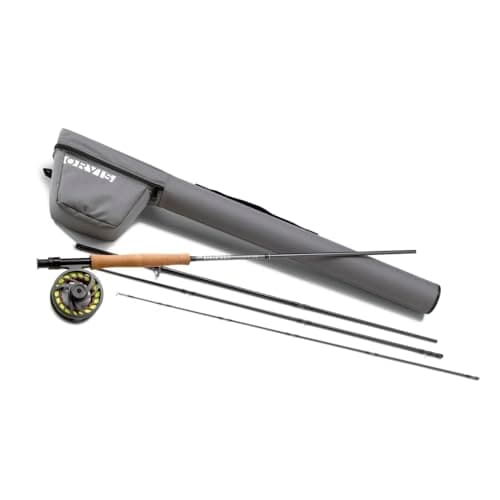
$479.00Orvis Clearwater Fly Rod (9 ft 5-weight, 4-piece)
#ad how this is funded · price as of October 12, 2026
Guide
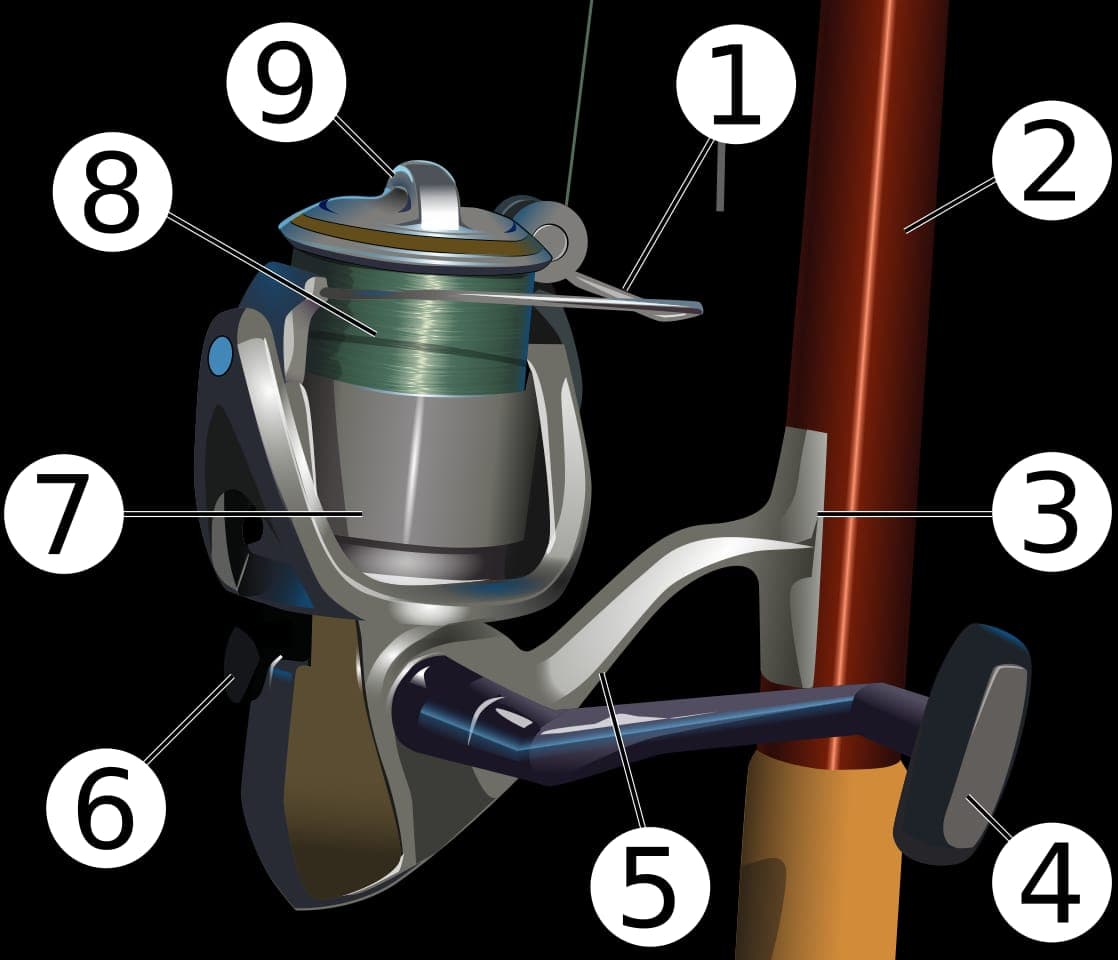
How to read a fly line code, what taper and head length do, and why line is the highest-value fly purchase.
Guide
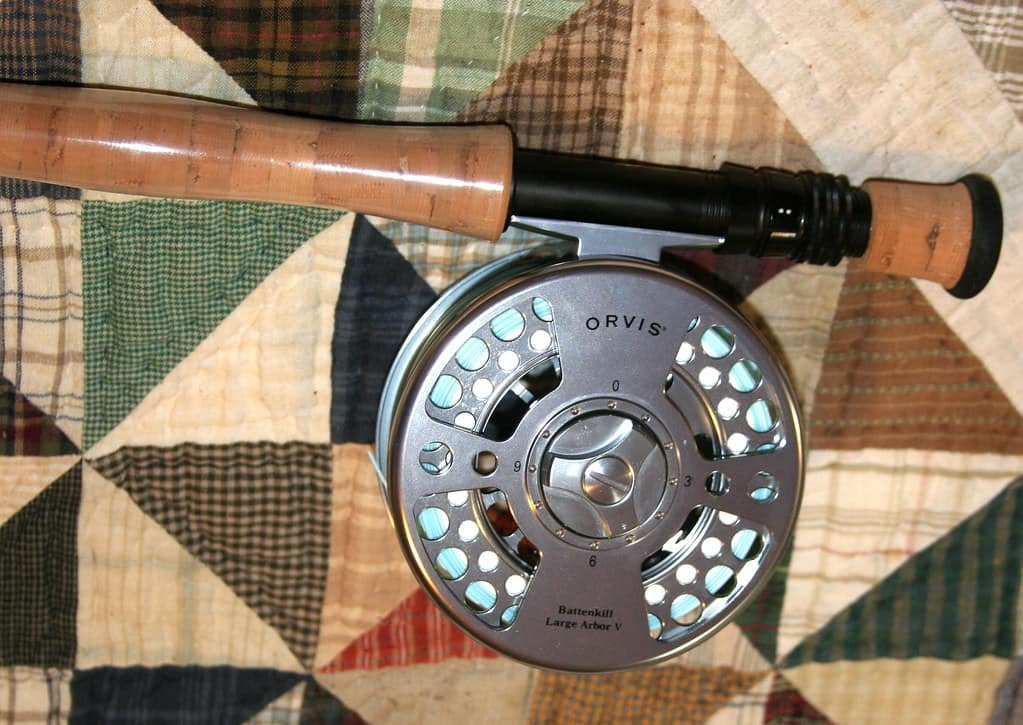
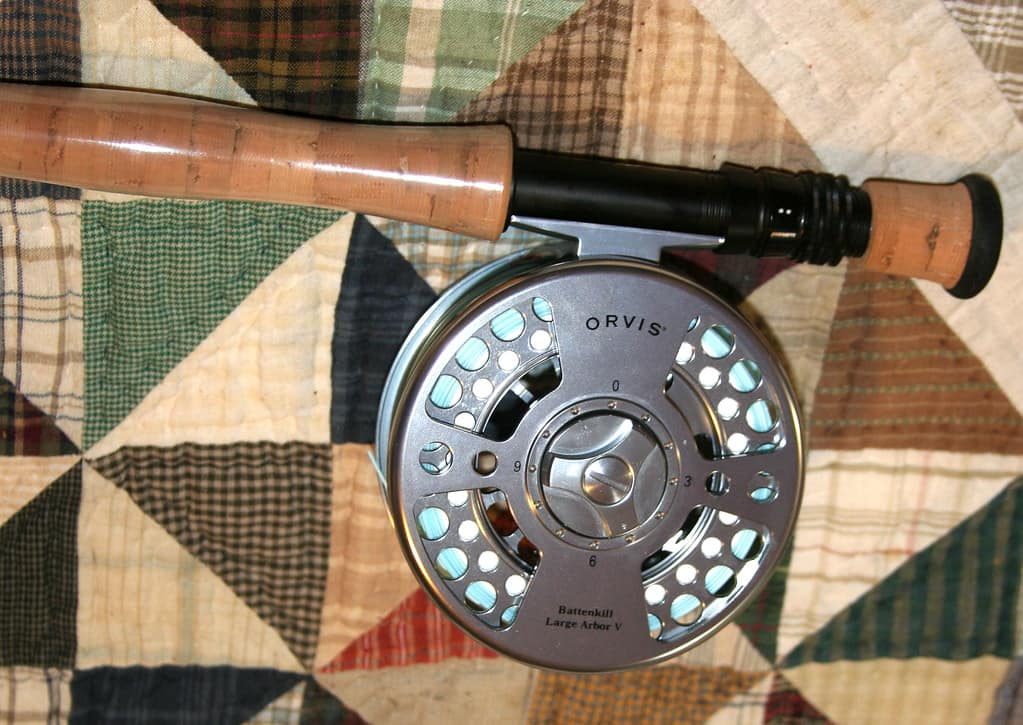
What a fly reel does and does not do, what arbor and drag change, and the point at which it stops being a line holder.
Guide
What the weight number measures, a table of 3 through 8, and how fly size and wind decide it more than fish size does.

Head to head
The three fly categories explained by depth, what each imitates, and a first dozen worth buying.
Guide
Why rubber mesh matters for released fish, how to size a net hoop and handle, and how to carry one while wading.
Picks
A 9 ft 5-weight fly outfit against buying the rod alone, on published specs, with the matching problem explained.
Best fly fishing combo
$479.00Orvis Clearwater Fly Rod Outfit (9 ft 5-weight)
#ad how this is funded · price as of October 12, 2026
Picks
Two beginner fly lines compared on published total and head length, with what weight-forward and floating actually mean.
Best beginner fly line
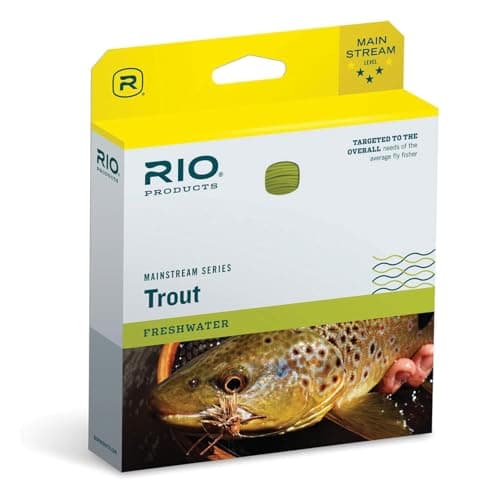
$49.99RIO Mainstream Trout WF Floating Fly Line
#ad how this is funded · price as of October 12, 2026
Guide
The six trout fly patterns worth owning, the sizes to stock, and a rule for choosing between them.
Guide
The fly leader and tippet X system explained, with the rule of 11, leader lengths and when to replace tippet.
Guide
Fly box interiors compared — slit foam, ripple foam, magnetic and compartment — with sizing and the waterproof case.

Guide
Why panfish are the best fly fishing to learn on, with rod weight, the three flies that matter, and where to fish.
1. Pick the line weight first, not the rod. The number is a system designation, not a rod property. A 5-weight is the general-purpose freshwater trout answer and the right first choice for most people. Lighter numbers suit small streams and small flies; heavier numbers suit bass, pike and wind.
2. Then buy a rod in that weight. Nine feet is the standard length for a reason: it holds line off the water on a mend, reaches across a current seam, and is long enough to control a drift. Four-piece is now normal and costs almost nothing in performance.
3. Then buy the line to match. This is the component beginners under-spend on and it matters more than the reel. A weight-forward floating line in the rod’s number covers dry flies, nymphs and small streamers.
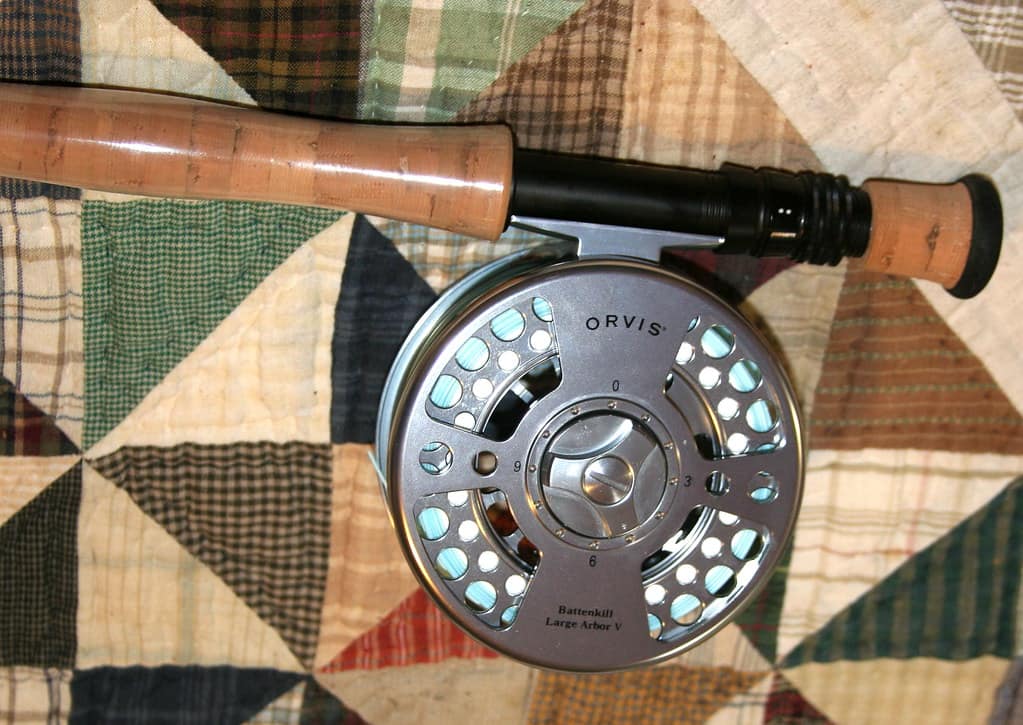
4. The reel last. On trout-sized fish a fly reel is mostly line storage with a brake attached. It becomes important when a fish can run further than the line you are holding, which in freshwater is rarer than the marketing suggests.
5. Flies according to what is in the water, which is a smaller and more repetitive list than a fly shop wall implies.
The same argument we make about spinning combos applies here and applies harder. A matched outfit arrives with the rod, reel, line and backing already assembled and balanced — and assembling a fly setup yourself means also learning to attach backing, load a line the right way round, and tie a leader on before you have made a single cast.
The gap between an outfit and its components bought separately is also smaller here than in spinning gear, because the line alone is a significant share of the cost.
Presenting something very light, very quietly, on a very fine leader. In clear, shallow, hard-fished water that is a real advantage no spinning setup can match.
It is also the only practical way to fish an imitation of an insect on the surface, which for trout in moving water is often exactly what they are eating.
What it is not better at: covering water fast, fishing deep, casting into wind, or fishing heavy cover. If those describe your water, the rest of this site is more useful to you than this section is.
A 5-weight, 9 ft, 4-piece rod. It is the general-purpose freshwater trout size, long enough to control a drift and heavy enough to handle a small streamer or a light bass fly.
For freshwater trout, no. On fish that size a fly reel is mostly line storage with a brake attached. Spend the money on the line instead, which changes how the rod casts far more than the reel does.
Because the line is what carries the cast. A rod marked 5-weight is built to load with the specific mass of a 5-weight line, so the two numbers have to match or the rod will not load properly.
Five complete builds. Each one is a rod, reel, line and starter lure selection chosen to work together for one species or one budget.
Beginner, bass, spinning, baitcasting and under-$100 combos, compared on the specs the makers publish rather than on the box copy.
Beginner rod picks plus the guides that make the spec sheet readable — power and action, graphite against fiberglass, and what a rod does that a pole does not.