Reels
Line twist: four causes, and how to tell which one you have
Wind knots and coiled line are a symptom. Replacing the line treats the symptom and the problem comes straight back.
By Sawyer V. · Last updated · How we pick
The short answer
Line twist has four causes: spooling the line on backwards, closing the bail with the handle, reeling while the drag slips, and fishing a spinning lure without a swivel. All four are habits or setup errors rather than faults in the line, which is why new line twists again within a trip if you do not find the cause.
Reel & Rig earns a commission from qualifying purchases made through links on this page, at no extra cost to you. It does not change which gear we pick or what we say about it. Full disclosure.
What twist actually is
Monofilament and fluorocarbon are single strands that resist being rotated about their own axis. Rotate a strand repeatedly and it stores that rotation as tension, the same way a twisted rubber band does.
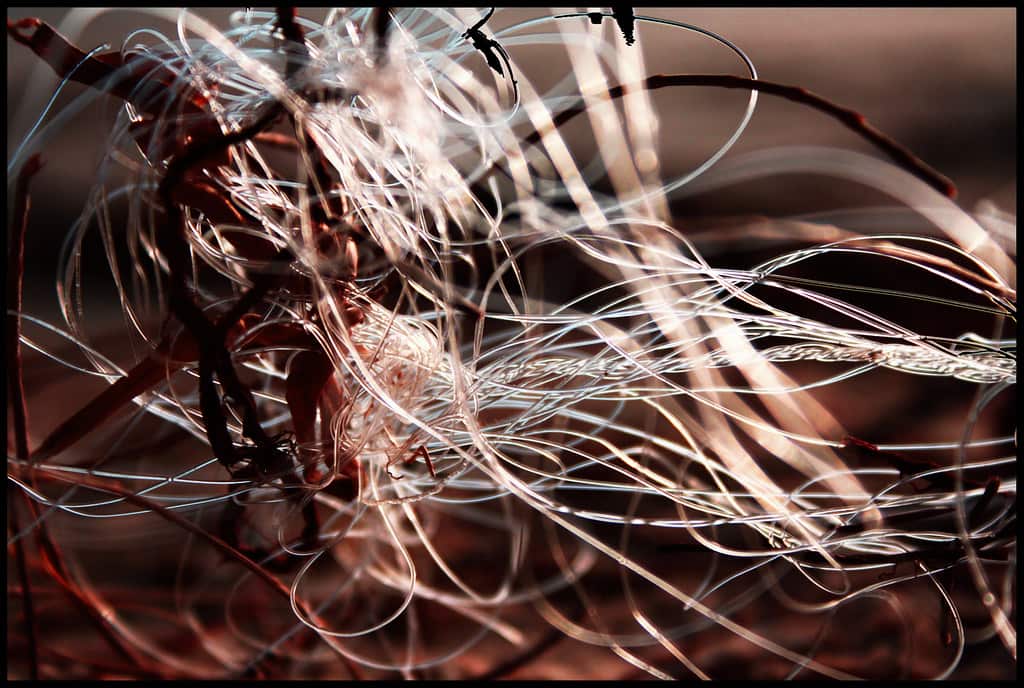
Released — when the line goes slack — the stored twist unwinds and the line coils into loops. If those loops pass through a guide during a cast, they tighten into a wind knot, which is not a knot you tied and is usually the end of that piece of line.
Braid twists too, but shows it differently: it does not spring into coils, it just goes limp and starts fouling on itself when slack.
Cause 1: the line went on backwards
The most common cause, and it happens before you ever fish. If the filler spool was oriented so its coils oppose the reel’s, every wrap put a half-twist in.
How to tell: the line was twisting on day one, straight out of the shop, before you had done anything with it.
The fix: strip it and respool it the other way up. Our spooling guide covers the floor test that tells you which way is correct.
Cause 2: closing the bail with the handle
After a cast, most people turn the handle to snap the bail shut. It is fast and it feels natural.
What happens is that the bail arm flips over with the line already under tension, dragging a loop of line around the spool as it goes. That is one twist per cast, and a hundred casts is a hundred twists.
How to tell: twist accumulates steadily through a session and is worse on days you cast a lot.
The fix: close the bail with your free hand before you start reeling. Every time. It takes a week to become automatic and it is the single highest-value habit change on this page.
Cause 3: reeling against a slipping drag
This one is not obvious and it accounts for most of the twist people cannot explain.
When a fish is taking line, the spool is stationary and the rotor is turning. If you keep cranking the handle, the rotor keeps circling the spool while no line goes on — and every one of those revolutions puts a full twist into the line.
A minute of a good fish running while you crank can put a hundred twists into the last few yards of line.
How to tell: the twist is concentrated in the first ten or twenty yards nearest the lure, not evenly through the spool.
The fix: stop turning the handle when line is going out. Pump the rod instead — lift to gain line, then drop the tip and reel as you lower. Our drag page covers setting the drag so it slips at the right point in the first place.
Cause 4: a lure that rotates
Some lures spin. An inline spinner is the obvious case; a soft plastic rigged slightly off-center is the sneaky one, because it helicopters on the retrieve without you noticing.
Whatever rotates at the end transmits that rotation up the entire line.
How to tell: it happens on the days you fish spinners and not on the days you fish plastics, or it appeared when you started using a new bait.
The fix: a small barrel swivel about 18 inches above the lure for anything that spins, and a moment spent checking that soft plastics are threaded straight on the hook. Our soft plastic rigging guide covers getting a worm on straight.
Diagnosing yours
| What you see | Most likely cause |
|---|---|
| Twisted from the very first trip | Spooled backwards |
| Gets worse steadily through a session | Closing the bail with the handle |
| Only the last 10-20 yd are twisted | Reeling against a slipping drag |
| Only on days you fish spinners | A rotating lure with no swivel |
Removing twist that is already there
The reliable method needs moving water or a boat. Cut the lure off, let 50 yards of bare line trail behind in current or behind a slow-moving boat, then reel it back under light tension. The line unwinds itself.
From a bank, a long open field works: walk the line out, let it lie relaxed for a minute, then wind it back on under steady tension.
Neither is a substitute for fixing the cause. If you have to do this every trip, you have a habit problem rather than a line problem, and the four causes above are the whole list.
Line choice does change the symptoms
Fluorocarbon has the most memory of the three and shows twist worst. Monofilament is intermediate. Braid has almost no memory, which is why braid users rarely mention twist — it is still being twisted, it just does not spring into coils.
That is a real argument for braid on a spinning reel, though it is not free: braid needs a leader in clear water and a backing layer on the spool. Our line comparison works through the whole trade.
So what do I actually buy?
None of these fixes is a product except one: swivels. Everything else is a habit. If line twist is persistent though, braid genuinely reduces the symptom.
Power Pro Spectra Braided Line
$44.25Braid has almost no memory, so twist does not coil the line. It still needs a swivel with spinners.
#ad how this is funded · price as of October 12, 2026
Berkley Trilene XL Monofilament Line
$8.97Mono sits between braid and fluorocarbon for memory and is the most forgiving to respool.
#ad how this is funded · price as of October 12, 2026
Pflueger President Spinning Reel (30X)
$62.45A smooth drag that slips predictably is the fix for the least obvious of the four causes.
#ad how this is funded · price as of October 12, 2026
Questions people actually ask
What causes fishing line twist?
Four things: spooling the line on in the wrong direction, closing the bail with the handle, reeling while the drag is slipping, and fishing a lure that rotates without a swivel. All four are habits or setup errors rather than line faults.
How do you get twist out of fishing line?
Cut the lure off and trail 50 yards of bare line behind a slow boat or in current, then reel it back under light tension. From a bank, lay it out across an open field and wind it back. Neither works unless you also fix the cause.
Why does my line twist only near the lure?
That pattern points at reeling against a slipping drag. When a fish takes line, the rotor circles a stationary spool, and every crank puts a full twist into the line nearest the lure.
Does braid solve line twist?
It hides it. Braid has almost no memory, so it does not spring into coils, but it is still being twisted and will foul on slack line. A swivel with rotating lures is still needed.
Prices on this page come from the retailer at request time and change without notice. If we cannot get a live one we say “check price” rather than show you a number that has gone stale. How we pick.