Tackle
Bobbers and floats: the fixed one is a toy, the slip one is a tool
The red-and-white ball everyone starts with has one limitation that a stopper knot removes entirely.
By Sawyer V. · Last updated · How we pick
The short answer
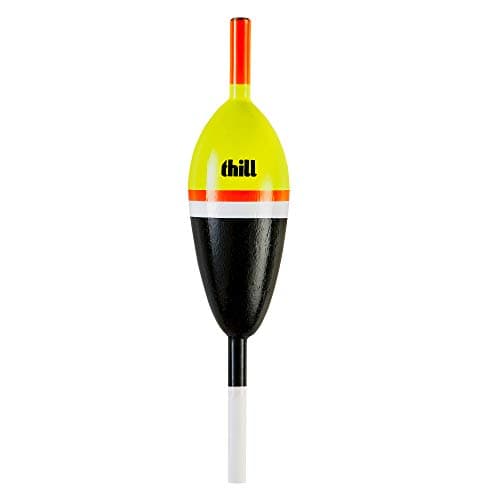
A fixed bobber sets the depth permanently, so you cannot fish deeper than your rod is long. A slip float runs freely on the line and stops at a bead and a knot you can set anywhere. The Thill Pro Series publishes a balsa body with a brass grommet, in 7/8 in and 1 in.
Reel & Rig earns a commission from qualifying purchases made through links on this page, at no extra cost to you. It does not change which gear we pick or what we say about it. Full disclosure.
Quick picks
| # | Product | Best for | Price |
|---|---|---|---|
| 1 | Best slip float Thill Pro Series Slip Bobber Float Balsa body with a line-friendly brass grommet, published in 7/8 in (XL) and 1 in (XXL). | Fishing bait at any depth, from a bank or a boat | $4.78 · Check price on Amazon #ad how this is funded · price as of October 12, 2026 |
What a float actually does
Three jobs at once, and most people only think about the first.
1. Bite detection. It converts an invisible underwater event into an obvious visual one. This is why floats are the right answer for anyone new, and why our kids combo page calls one non-optional.
2. Depth control. It suspends the bait at a chosen depth, and holds it there without you doing anything. Nothing else in fishing does this as simply.
3. Drift. In current or wind it carries the bait along a natural path, covering water while you stand still.
Fixed vs slip, which is the whole decision
| Fixed bobber | Slip float | |
|---|---|---|
| Attachment | Clips onto the line at one point | Line runs through it freely |
| Max depth | Shorter than your rod | Effectively unlimited |
| Casting | Awkward past about 4 ft of depth | Normal at any depth |
| Changing depth | Unclip and move it | Slide the stopper knot |
| Line damage | Spring or slot pinches the line | None |
The depth limit is the decisive one and it is pure geometry. With a fixed bobber set at eight feet, you have eight feet of line hanging below the float before you cast. On a seven-foot rod, that is unusable — you cannot swing it.
A slip float removes the problem completely. The float sits at the hook during the cast, so the rig is compact whatever depth you have set. It only slides up to the stopper after it lands.
How a slip float rig works
Five components, threaded in this order from the rod down:
1. A bobber stop. A small knot or rubber stopper on the main line. This sets the depth. It is small enough to pass through the rod guides and wind onto the reel.
2. A small bead. Sits between the stop and the float and prevents the stop pulling through the float’s grommet.
3. The float, with line running through it.
4. A split shot or two below the float. This does two things: it sinks the bait, and it sets the float upright at the correct depth in the water. A float that lies flat is under-weighted.
5. The hook.
To change depth, slide the stop. That is it — and it is why a slip float can fish three feet in the morning and twenty in the afternoon without re-rigging.
Weighting the float properly
A float should sit with only its tip showing. Most people fish them far too buoyant.
An under-weighted float sits high with most of its body above water. To pull it under, a fish has to overcome all of that buoyancy — and a cautious fish simply lets go instead.
Add split shot until only the colored tip is visible. Now a light take shows immediately, and the fish feels almost no resistance. Our sinkers page covers split shot and why it is the right weight type for this job.
Choosing a size
Bigger is not better. A float only needs to be large enough to support the weight below it and remain visible.
Small floats for panfish and calm water; larger ones for heavier baits, current, wind or long-distance visibility. The published Thill XL at 7/8 in and XXL at 1 in are both at the larger end, aimed at heavier rigs and open water.
For bluegill in a pond, something considerably smaller is better. The general rule: use the smallest float that stays upright with your weight on and that you can still see.
Where a float beats everything else
Live bait, always. A worm or minnow suspended at a known depth is the highest-percentage presentation in freshwater fishing, and our live bait page makes the fuller case.
Fishing above snags. If the bottom is rock or brush, a float holds the bait above it. Nothing else does this reliably.
Suspended fish. When a fish finder shows fish at twelve feet over twenty feet of water, a slip float set to twelve is the most direct answer there is.
Teaching anyone. Watching a float go under is self-explanatory in a way that feeling for a bite through a rod is not.
A small float is also the standard strike indicator for nymph fishing — the same tool doing the same job with a different name.
Bobber stops and beads are usually sold together as slip float kits, which is the sensible way to buy them.
So what do I actually buy?
Buy slip floats and a packet of stops and beads. A fixed bobber is fine for a child in three feet of water and limiting everywhere else.
Thill Pro Series Slip Bobber Float
$4.78Balsa body with a brass grommet, in 7/8 in and 1 in. The grommet is what makes it slip.
#ad how this is funded · price as of October 12, 2026
Berkley Trilene XL Monofilament Line
$8.97Mono is the right float line — it floats, so it does not drag the float under.
#ad how this is funded · price as of October 12, 2026
Zebco 33 Classic Spincast Rod and Reel Combo (5 ft 6 in)
$74.99A 5 ft 6 in spincast combo and a float is the classic first live-bait setup.
#ad how this is funded · price as of October 12, 2026
The picks, in full
Every card below lists the specs we could read off a published page, the URL they came from, and one honest reason you might not want it.
1. Best slip float
Thill Pro Series Slip Bobber Float
Thill
Balsa body with a line-friendly brass grommet, published in 7/8 in (XL) and 1 in (XXL).
Two published sizes on this model: XL at 7/8 in (PS120) and XXL at 1 in (PS125).
The body is published as premium balsa. Balsa matters against molded plastic for one reason: it is genuinely buoyant for its size, so a balsa float supports a given weight with a smaller, less visible body than a plastic one. A fish feels less resistance when it pulls it under.
The brass grommet is the spec that makes a slip float work. Line has to run freely through the body during the cast and the sink; a plastic hole grabs line and abrades it. A smooth metal insert is the difference between a slip float that slips and one that sticks halfway.
High-visibility finish and published as made in the USA. Visibility is not cosmetic on a float — it is the entire bite detection system.
The drawback
Balsa is fragile compared with plastic; step on one in a boat and it is finished. Thill does not publish a weight-carrying capacity for either size, which is the figure you would want in order to match a float to a specific sinker load, so matching still comes down to trial on the water.
Published specs
- XXL
- 1 in, stock number PS125
- XL
- 7/8 in, stock number PS120
- Body
- Premium balsa
- Line path
- Brass grommet insert
- Finish
- High-visibility
- Origin
- Made in the USA
Specs read from Tackle Warehouse - Thill Pro Series Slip Bobber Floats.
#ad how this is funded · price as of October 12, 2026
Questions people actually ask
What is the difference between a bobber and a slip float?
A bobber clips onto the line at a fixed point, so you cannot fish deeper than your rod is long. A slip float runs freely on the line and stops at a knot you set anywhere, so it casts compactly at any depth.
How do you rig a slip float?
From the rod down: a bobber stop, a small bead, the float, split shot, then the hook. The stop sets the depth and passes through the rod guides; the bead stops it pulling through the float's grommet.
How much weight should you put under a float?
Enough that only the colored tip shows above the water. A float sitting high has to be pulled under against all its buoyancy, and a cautious fish will let go rather than do that.
What size float should you use?
The smallest one that stays upright with your weight on and that you can still see. Bigger floats are only needed for heavier baits, current, wind or long-range visibility.
Read next
Sources
Prices on this page come from the retailer at request time and change without notice. If we cannot get a live one we say “check price” rather than show you a number that has gone stale. How we pick.