Setups
A complete panfish setup, the one everyone should own second
The highest-value second outfit anyone can buy, and the one that turns a slow day into a good one.
By Sawyer V. · Last updated · How we pick

The short answer
An ultralight rod rated 2–6 lb and 1/32–1/8 oz, a size 25 reel, 4 lb line and a 2-inch soft plastic. A medium rod rated from 1/4 oz cannot cast a 1/32 oz jig — it will not load the blank — which is why this is a genuine second outfit rather than a lighter version of your first.
Reel & Rig earns a commission from qualifying purchases made through links on this page, at no extra cost to you. It does not change which gear we pick or what we say about it. Full disclosure.
The stack, in the order you buy it
- 1. Rod
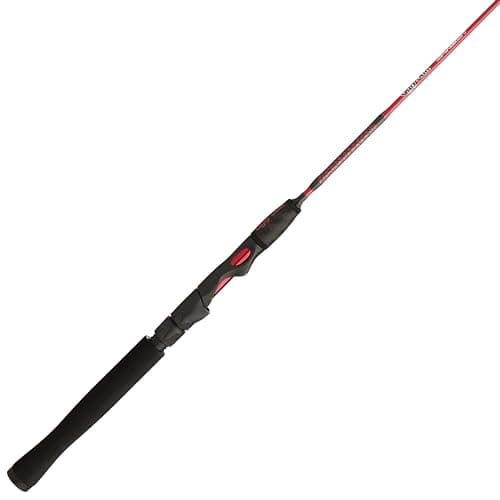
Ugly Stik Carbon Crappie Spinning Rod (5'4" Ultra Light)
$79.95The published range starts at 5 ft 4 in ultralight rated 2-6 lb and 1/32-1/8 oz. That bottom rating is the whole reason this outfit exists — it is a number a medium rod cannot reach.
$79.95 · Check price on Amazon#ad how this is funded · price as of October 19, 2026
- 2. Reel
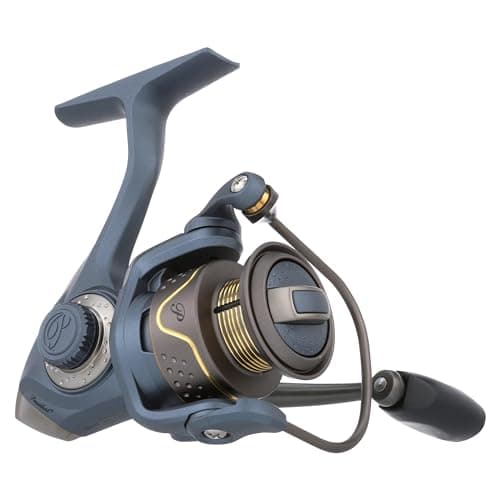
Pflueger President Spinning Reel (25X)
$73.028.1 oz holding 110 yd of 4 lb at 22.4 in per turn. Small enough to balance an ultralight blank and to fill properly with 4 lb line, which a 2500 does not.
$73.02 · Check price on Amazon#ad how this is funded · price as of October 19, 2026
- 3. Line
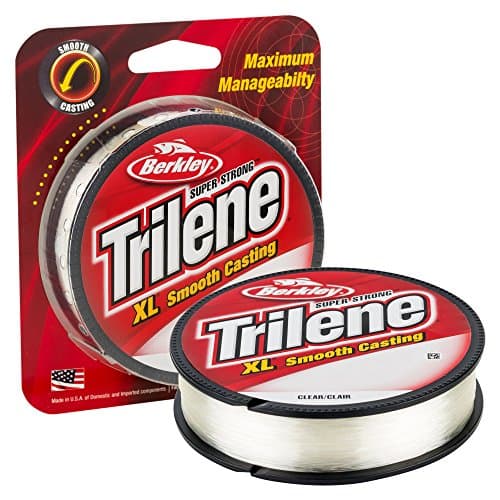
Berkley Trilene XL Monofilament Line
$8.97The light end of the range. 6 lb measures 0.009 in; the 4 lb equivalents are thinner still, which is what lets a 1/32 oz jig fall naturally instead of being held up.
$8.97 · Check price on Amazon#ad how this is funded · price as of October 19, 2026
- 4. Bait
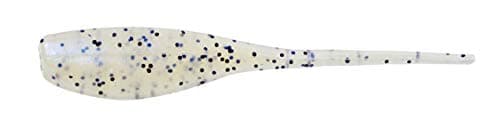
Bobby Garland Original Baby Shad
$3.992 in, 18 per pack, with a thin tail that quivers on the drop. Cheap enough to lose to panfish, which shred soft plastics faster than any other freshwater fish.
$3.99 · Check price on Amazon#ad how this is funded · price as of October 19, 2026
We do not print a running total here. Every one of these prices moves independently, and a total we typed last week would be wrong today — check the five current prices above and add them up, which takes about twenty seconds and is always right.
Why a medium rod cannot do this
This is the whole argument, and it is arithmetic rather than preference.
A rod casts by flexing under the weight of the lure. A 1/32 oz jig weighs about 0.9 grams. A rod rated 1/4–5/8 oz was designed to bend under something eight to twenty times that.
Put the jig on and nothing happens: the rod stays straight, the cast goes twenty feet, and you conclude you are bad at casting. You are not — the rod is wrong, and no amount of practice changes it.
An ultralight rated from 1/32 oz loads properly with the same jig and casts it forty feet with no effort.
Why it is the best second outfit to own
Three reasons, and the third is the one people underrate.
It opens fishing your first rod cannot do. A second medium rod gives you a spare. An ultralight gives you a different sport.
Panfish are everywhere. Bluegill, perch and crappie live in almost every body of freshwater in the country, including the small ponds and park lakes that are easiest to get to.
It rescues bad days. This is the real argument. Bass fishing has blank days. Panfish rarely do. A day of steady bluegill on light tackle is genuinely more fun than four hours of not catching a bass, and for someone learning it teaches far more about how fish relate to cover.
The component check
| Check | The numbers | Verdict |
|---|---|---|
| Lure weight vs rod window | Rod 1/32–1/8 oz; jig head 1/32–1/16 oz | Inside, with room |
| Line rating vs reel capacity | Rod 2–6 lb; reel holds 110 yd of 4 lb | Agrees |
| Line diameter vs spool | 4 lb line on a size 25 spool | Fills correctly |
| Reel weight vs blank | 8.1 oz on an ultralight rod | Balanced; a 2500 would be heavy |
Match the length to where you fish
The published range runs from 5 ft 4 in to 11 ft, which is unusually wide and genuinely useful.
| Length | Rating | Suits |
|---|---|---|
| 5 ft 4 in – 6 ft | Ultralight, 2–6 lb | Brush, docks, close-range work, kids |
| 6 ft 9 in | Ultralight, 2–6 lb | The all-rounder; also offered as a two-piece |
| 7 ft | Light, 4–8 lb, 1/16–1/4 oz | Open water, suspended fish, more casting reach |
| 9–11 ft | Light, 4–10 lb | Long-pole work over brush piles; a specialist tool |
For a first panfish outfit, 6 ft 9 in ultralight is the widest-coverage choice.
How to fish it
Panfish hold tight to cover: brush, docks, weed edges, fallen timber. Almost all of the game is getting a small bait close to that cover and letting it fall slowly.
Cast past the target, let the jig sink on a semi-slack line, and watch where the line enters the water. Bluegill and crappie both take on the drop, gently, and you will see the line twitch or stop before you feel anything.
Set the hook gently. A panfish mouth is thin membrane, and a bass-style hookset on an ultralight rod tears straight through it.
The float is not a downgrade
Fishing a small jig under a float is often framed as the kids’ version. It is frequently just better.
A float does three useful things: it adds casting weight, it holds the jig at a fixed depth in front of suspended fish, and it shows bites you would otherwise never detect — a panfish lifting a jig makes a float lie flat, which is unmissable.
Set it so the bait hangs a foot or two above where the fish are holding. Panfish feed upward and will rise; they rarely go down for a bait.
What you still need
- 1/32 and 1/16 oz jig heads. Buy more than you think; brush eats them.
- Small floats. A pack costs almost nothing.
- Small hooks, size 6 to 10, if you intend to fish worms.
- A small net. Panfish mouths tear, and lifting one by the line loses fish at the last second.
Questions people actually ask
What is a good panfish setup?
An ultralight rod rated 2 to 6 lb and 1/32 to 1/8 oz, a size 25 or 1000 reel, 4 lb line and small soft plastics on 1/32 to 1/16 oz jig heads. The rod's lure rating is the critical spec.
Can I catch panfish on my bass rod?
Only with a float. A 1/32 oz jig weighs about 0.9 grams and will not load a rod rated from 1/4 oz, so your casts die twenty feet out. Adding a small float brings the total casting weight into a medium rod's window.
What is the best second fishing rod to buy?
An ultralight for panfish. A second medium rod gives you a spare; an ultralight gives you fishing your first rod physically cannot do, and panfish live in almost every body of freshwater including the easiest ones to reach.
What length rod is best for panfish?
Around 6 ft 9 in ultralight for general use. Go shorter, to 5 ft 4 in, for brush and docks and close-range work; go to 7 ft light if you fish open water for suspended fish and need casting reach.
How do you detect a panfish bite?
Watch the line rather than feeling for it. Panfish take gently on the drop, so the tell is the line stopping its sink, twitching, or moving sideways. Under a float, the float lying flat means a fish has lifted the jig.
Read next
Sources
Prices on this page come from the retailer at request time and change without notice. If we cannot get a live one we say “check price” rather than show you a number that has gone stale. How we pick.