Tackle
Crappie jigs: two inches of plastic and a very small hook
The most productive lure in freshwater by sheer numbers, and the one people overthink least usefully.
By Sawyer V. · Last updated · How we pick
The short answer
A 2-inch soft plastic body on a 1/16 oz head is the crappie default. Go to 1/32 oz in water under about eight feet for a slower fall, and 1/8 oz when you are fishing deeper than fifteen or in wind. Weight is chosen by depth, not by the size of the fish.
Reel & Rig earns a commission from qualifying purchases made through links on this page, at no extra cost to you. It does not change which gear we pick or what we say about it. Full disclosure.
Quick picks
| # | Product | Best for | Price |
|---|---|---|---|
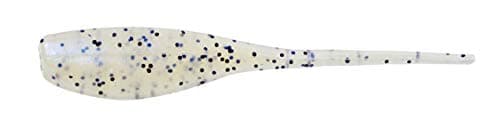
| 1 | Best all-round body Bobby Garland Original Baby Shad 2 in, 18 per pack, with a dense body tapering to a thin spear tail that keeps moving after the jig stops. | Casting and vertical fishing alike | $3.99 · Check price on Amazon #ad how this is funded · price as of October 19, 2026 |
| 2 | 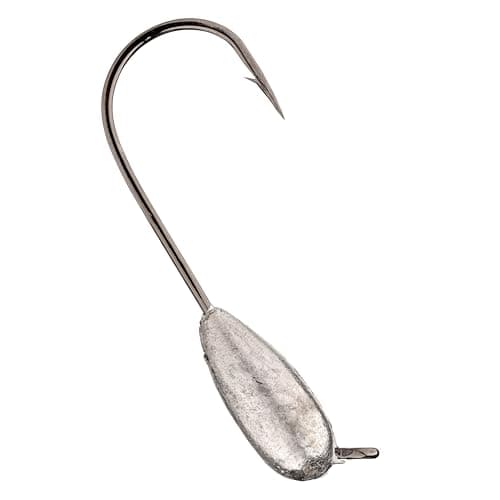 Best head for holding a body Strike King Tour Grade Shakey Head 1/8, 3/16 and 1/4 oz with a 60-degree flat-eye Gamakatsu hook and a published bait-holding barb. | Stopping the plastic sliding down the hook | $5.99 · Check price on Amazon #ad how this is funded · price as of October 19, 2026 |
A crappie jig is two decisions
The head, which controls how fast it falls and how it hangs. And the body, which controls what it looks like and how it moves. People spend most of their attention on the second and most of the difference comes from the first.
Head weight is depth, not fish size
The single most common mistake. Crappie are a one-to-two-pound fish and the jig weight has almost nothing to do with that.
| Weight | Use |
|---|---|
| 1/32 oz | Under 8 ft, calm. Slowest fall and the most bites; hard to cast |
| 1/16 oz | The default. 6–15 ft, still falls slowly enough to trigger |
| 1/8 oz | 15 ft and deeper, wind, or fishing vertically under a boat |
| 1/4 oz | Deep structure, strong wind, or current |
Use the lightest head that still lets you control the jig. A slower fall genuinely gets more bites, and the only reason to add weight is that you have lost track of where the lure is.
The retrieve, which is barely a retrieve
Crappie fishing rewards doing almost nothing, and this is difficult for people who came from bass fishing.
- Cast past the cover — brush pile, dock post, laydown — rather than at it.
- Let it sink on a semi-slack line and watch where the line enters the water. Most bites happen here.
- Retrieve very slowly, just fast enough to keep contact, with long pauses.
- Set the hook gently. A crappie mouth is thin membrane; a bass hookset tears straight through it, which is where the nickname papermouth comes from.
Vertical fishing, where crappie gear diverges
A great deal of crappie fishing is not casting at all. You position over a brush pile and lower the jig straight down to a specific depth.
That is why crappie rods run to nine, ten and eleven feet — the length lets you sit off the cover and still fish it vertically, without putting the boat directly over fish in clear shallow water.
For vertical work the flat-eye head matters more, because the jig hangs on a static line and any knot position error shows up as a crooked bait.
Under a float
Not a beginner compromise. A float does three genuinely useful things for crappie: it adds casting weight to a jig too light to throw, it holds the bait at a fixed depth in front of suspended fish, and it shows bites you would otherwise miss entirely.
That last one is the big one. A crappie rising with a jig makes the float lie flat, which is unmissable — and that same bite on a tight line is nearly undetectable.
Set the jig to hang a foot or two above where the fish are holding. Crappie feed upward and will rise for a bait; they rarely go down for one.
Color, briefly
Two rules cover almost everything, as elsewhere on this site. Natural and translucent in clear water; bright chartreuse, pink or white in stained water and low light.
Crappie fishing does have one genuine local-pattern effect — specific waters often have a color that consistently outproduces, usually matching the dominant forage. That is worth learning locally and is not something a spec sheet can give you.
What we would skip
The 100-piece assorted crappie jig kit. Same problem as everywhere: a handful of usable sizes, ninety pieces of filler, and a piece count printed on the box as the value proposition.
Heads above 1/4 oz. They fall too fast to trigger and you lose the drop, which is the entire presentation.
The picks, in full
Every card below lists the specs we could read off a published page, the URL they came from, and one honest reason you might not want it.
1. Best all-round body
Bobby Garland Original Baby Shad
Bobby Garland
2 in, 18 per pack, with a dense body tapering to a thin spear tail that keeps moving after the jig stops.
The published design explains why this profile has become the crappie standard: a bulbous, dense body that tapers quickly to a thin, spear-shaped tail.
The mass sits forward, which means it threads onto a jig head and sits straight rather than drooping. The thin tail then quivers on the drop — and, critically, keeps quivering during the pause after the jig has stopped.
That last property is the useful one. Crappie very often take during the pause, so the productive bait is the one still doing something when you are doing nothing.
Eighteen per pack matters more than it sounds. Crappie fishing means fishing tight to brush, and brush eats jigs. A bait you are reluctant to lose is a bait you fish too cautiously and too far from cover.
The drawback
Two inches is a crappie profile and nothing else. It will catch incidental bass and perch, but it is small for anything you would specifically target, and the soft plastic that makes it quiver also means a few fish destroy each one.
Published specs
- Length
- 2 in
- Pack size
- 18 per pack
- Body
- Bulbous dense body tapering to a thin spear-shaped tail
- Action
- Quivering tail on the fall and on a slow drag
- Rigs
- Finesse jig head, dropshot
Specs read from Tackle Warehouse — Bobby Garland Original Baby Shad.
#ad how this is funded · price as of October 19, 2026
2. Best head for holding a body
Strike King Tour Grade Shakey Head
Strike King
1/8, 3/16 and 1/4 oz with a 60-degree flat-eye Gamakatsu hook and a published bait-holding barb.
The reason this bass head is here is the published barb design: it holds a soft plastic in place and stands it up, rather than letting it slide down the shank.
A crappie body that has slipped hangs crooked, stops quivering, and spins on the retrieve. You cannot see any of that happening twelve feet down, so a head that prevents it is worth real money.
The 60-degree flat eye is the other useful detail. It keeps the knot positioned so the jig hangs level, which matters far more on a vertical presentation than on a dragged one.
The 1/8 oz is the size to use for crappie in deeper water.
The drawback
The published range stops at 1/8 oz on the light end, which is the top of the crappie range rather than the middle. For shallow crappie you want 1/32 and 1/16 oz heads, and this range does not go there — buy dedicated crappie heads for those sizes.
Published specs
- Weights
- 1/8, 3/16, 1/4 oz
- Hook
- 60-degree flat-eye Gamakatsu
- Pack size
- 3 per pack painted, 4 per pack unpainted
- Head design
- Barb to stand the bait up; eye flush with the head
- Colors
- Green pumpkin, black, unpainted
Specs read from Tackle Warehouse — Strike King Tour Grade Shakey Head.
#ad how this is funded · price as of October 19, 2026
Questions people actually ask
What size jig is best for crappie?
A sixteenth of an ounce as the default, a thirty-second in water under about eight feet for a slower fall, and an eighth for deeper than fifteen feet or in wind. Weight is chosen by depth, not by the size of the fish.
How do you fish a crappie jig?
Cast past the cover rather than at it, let the jig sink on a semi-slack line while watching where the line enters the water, then retrieve very slowly with long pauses. Set the hook gently — a crappie mouth is thin membrane.
Should you fish crappie jigs under a float?
Often, yes, and it is not a beginner compromise. A float adds casting weight, holds the jig at a fixed depth in front of suspended fish, and shows bites you would otherwise miss — a crappie lifting a jig makes the float lie flat.
What color crappie jig works best?
Natural and translucent in clear water, bright chartreuse or pink in stained water and low light. Crappie fishing does have real local color patterns, usually matching the dominant forage, and that is worth learning on your water.
Read next
Sources
Prices on this page come from the retailer at request time and change without notice. If we cannot get a live one we say “check price” rather than show you a number that has gone stale. How we pick.