Setups
A pond setup: small water, and the gear should come down to match
The most accessible fishing there is, routinely attacked with tackle built for a different problem.
By Sawyer V. · Last updated · How we pick

The short answer
Scale everything down: a 5 to 6 ft light rod, a 25-size reel, 6 lb line, and lures under 1/4 oz. Pond fish are close, shallow and easily spooked, and heavy tackle both spooks them and cannot cast the small lures they want.
Reel & Rig earns a commission from qualifying purchases made through links on this page, at no extra cost to you. It does not change which gear we pick or what we say about it. Full disclosure.
The stack, in the order you buy it
- 1. Rod
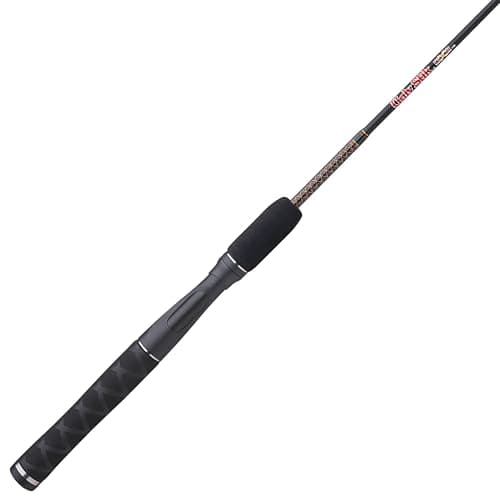
Ugly Stik GX2 Spinning Rod (5 ft Ultra Light, 2-piece)
$55.325 ft, ultra light, published at 2-6 lb and 1/32-1/4 oz. That lure rating is what puts small jigs and spinners in range, and 5 ft is manageable on an overgrown bank where a 7 ft rod cannot be swung.
$55.32 · Check price on Amazon#ad how this is funded · price as of October 12, 2026
- 2. Reel
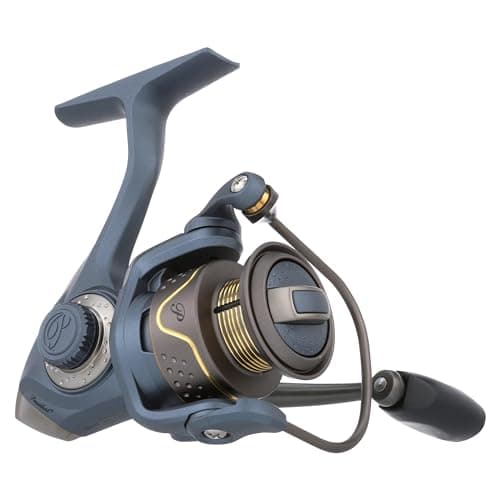
Pflueger President Spinning Reel (25X)
$63.70A 25-size reel balances a short light rod instead of hanging off it. Small ponds do not need capacity — they need a reel light enough to hold for three hours and a drag smooth enough for 6 lb line.
$63.70 · Check price on Amazon#ad how this is funded · price as of October 12, 2026
- 3. Line
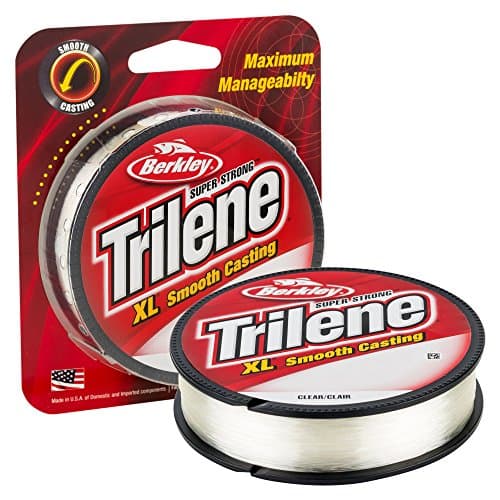
Berkley Trilene XL Monofilament Line
$8.976 lb mono. Light enough to cast a 1/16 oz jig, forgiving of the overhanging branches every pond has, and cheap enough that you re-tie without hesitating.
$8.97 · Check price on Amazon#ad how this is funded · price as of October 12, 2026
- 4. Spinner
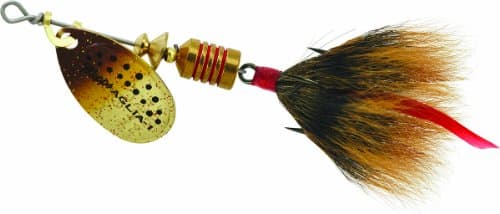
Mepps Dressed Aglia Inline Spinner
$11.57The 1/8 oz size sits mid-range on this rod. An inline spinner catches bass, bluegill and perch on a plain steady retrieve, which makes it the single most useful pond lure there is.
$11.57 · Check price on Amazon#ad how this is funded · price as of October 12, 2026
- 5. Topwater
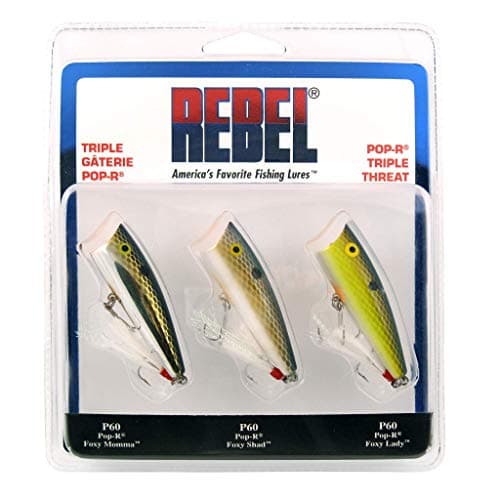
Rebel Pop-R Topwater Popper
$13.49The Small Pop-R at 2 in and 1/8 oz, or the standard at 2.5 in and 1/4 oz. Ponds are shallow and warm, which is exactly the condition topwater is best in.
$13.49 · Check price on Amazon#ad how this is funded · price as of October 12, 2026
- 6. Soft plastic
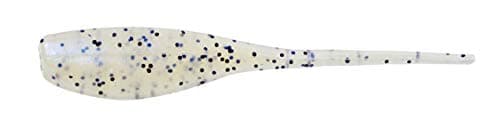
Bobby Garland Original Baby Shad
$3.99On a 1/16 oz head this catches everything in a pond, including the bass. When the spinner and the popper stop working, something small and slow is the answer.
$3.99 · Check price on Amazon#ad how this is funded · price as of October 12, 2026
We do not print a running total here. Every one of these prices moves independently, and a total we typed last week would be wrong today — check the five current prices above and add them up, which takes about twenty seconds and is always right.
Why a pond is not a small lake
Three differences change the tackle, and they compound.
The fish are close. Most of a pond is within one cast. Distance is not the problem to solve, so the rod length that helps on a big lake becomes an obstruction on an overgrown bank.
It is shallow, so fish spook. In four feet of clear water a fish sees you, feels footsteps on the bank and notices a lure landing heavily. Nothing about a big lake punishes clumsiness this directly.
The fish are usually smaller. Ponds hold a lot of bluegill and modest bass. Gear rated for six-pound fish makes a nine-inch bluegill undetectable, and bluegill are what you will mostly catch.
All three point the same way: down. Lighter rod, lighter line, smaller lures.
Where fish are in a pond
Small water is readable in a way big water is not, because you can see most of the structure from the bank.
| Feature | Why fish are there |
|---|---|
| Any inflow or outflow | Oxygen, food, and moving water in a still system |
| Overhanging trees | Shade, cover, and insects falling in |
| The deepest corner | Temperature refuge in high summer and cold winter |
| Weed and lily edges | Ambush cover for bass, food for panfish |
| The dam or wall | Usually the steepest depth change in the pond |
A pond will often have one spot that produces most of the fish. Finding it takes a session; knowing it makes every subsequent visit better.
Approach, which matters more here than anywhere
In shallow, still water your approach is part of the presentation.
Stay back from the edge. Fish sit closer to the bank than people expect, often within a rod length. Walking straight to the waterline puts them down before your first cast.
Fish the near water first. Cast parallel to the bank before casting out. The margin you are about to walk along is the water most likely to hold a fish.
Walk softly. Vibration carries through a bank into still water. This is not folklore — fish in small ponds are demonstrably sensitive to it.
Watch your shadow. A shadow crossing shallow water clears it. Fish with the sun in front of you where you can.
The seasonal pattern in miniature
Ponds warm and cool faster than lakes because there is less water to heat. That makes the seasonal pattern sharper and more predictable.
Spring is the best fishing of the year. Shallow water warms first, fish move up to spawn, and everything is catchable in three feet of water.
Summer pushes fish to shade and the deepest water in the middle of the day, and brings them shallow at dawn and dusk. This is topwater season.
Autumn is a second good period as the water cools and fish feed heavily.
Winter concentrates everything in the deepest corner, moving very slowly. A small soft plastic worked slowly is the only thing that reliably works.
Permission, and the practical side
Most ponds are on private land. Ask. A great many landowners say yes to someone who knocks, and almost none say yes to someone they find already fishing.
Public pond fishing is often the most heavily fished water in a region, which changes the tackle again: lighter line, smaller lures and a quieter approach all matter more where fish see anglers weekly.
A pond is also the right place to take someone new. Short casts, frequent bites and no boat — our kids combo page pairs directly with this setup.
Scaling up when the pond holds better fish
Some ponds hold genuinely large bass, and an ultralight is the wrong tool for pulling one out of lily pads.
If you know a pond holds fish over three or four pounds, take the standard bass setup instead and keep the light rod as a second option for when nothing is happening. The two are complementary rather than alternatives.
Questions people actually ask
What rod is best for pond fishing?
A 5 to 6 ft light or ultra light rod. Ponds are close-range fishing on often overgrown banks, so length is an obstruction rather than an advantage, and the light rating casts the small lures pond fish want.
Where do fish hold in a pond?
Any inflow or outflow first, then overhanging trees, the deepest corner, weed and lily edges, and the dam wall. Most ponds have one spot that produces the majority of fish, and finding it takes a session.
Why do pond fish spook so easily?
Shallow, still, often clear water. Fish see movement on the bank, feel footfall vibration through the ground and notice a lure landing heavily. Staying back from the edge and fishing the margin first both matter.
When is the best time to fish a pond?
Spring. Small water warms faster than a lake, fish move shallow to spawn, and almost everything is catchable in three feet of water. Autumn is the second-best period, and summer is a dawn and dusk game.
Read next
Prices on this page come from the retailer at request time and change without notice. If we cannot get a live one we say “check price” rather than show you a number that has gone stale. How we pick.