Tackle
Topwater lures: three actions, and when each one works
The most exciting way to catch a fish and the easiest category to buy wrong, because the three types are not interchangeable.
By Sawyer V. · Last updated · How we pick
The short answer
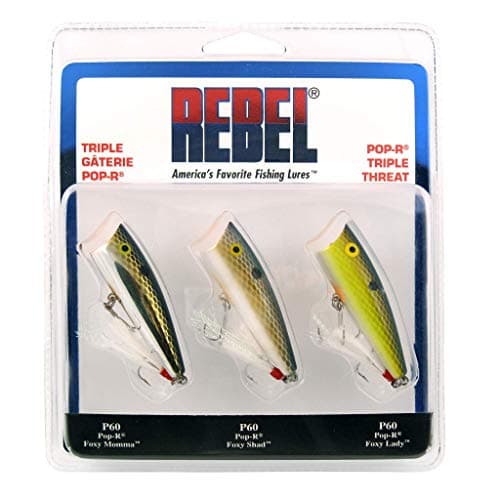
Three types, three jobs. A popper (Rebel Pop-R, 2.5 in, 1/4 oz) sits still and spits; a walking bait (Heddon Zara Spook, 4.5 in, 3/4 oz) covers open water; a hollow frog (Booyah Pad Crasher, 2.5 in, 1/2 oz) goes where nothing else can. Buy the popper first — it is the most forgiving to fish and the one that works on the widest range of water.
Reel & Rig earns a commission from qualifying purchases made through links on this page, at no extra cost to you. It does not change which gear we pick or what we say about it. Full disclosure.
Quick picks
| # | Product | Best for | Price |
|---|---|---|---|
| 1 | Best popper Rebel Pop-R Topwater Popper 2.5 in and 1/4 oz in the standard size, with 2 in and 3 in versions either side. | Calm mornings, and anyone fishing topwater for the first time | $13.49 · Check price on Amazon #ad how this is funded · price as of October 12, 2026 |
| 2 | 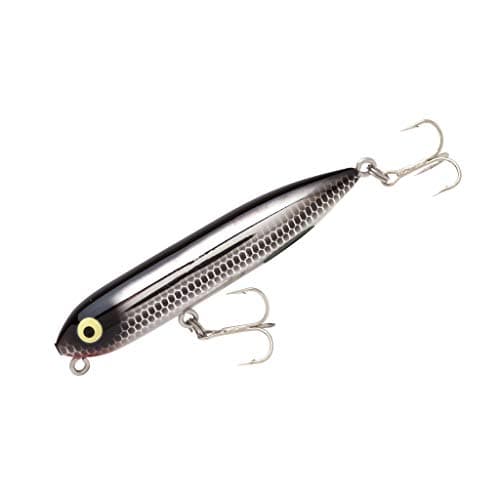 Best walking bait Heddon Zara Spook Walking Bait 4.5 in and 3/4 oz — a big bait that draws fish up from well below it. | Covering open water and calling fish from a distance | $7.99 · Check price on Amazon #ad how this is funded · price as of October 12, 2026 |
| 3 | 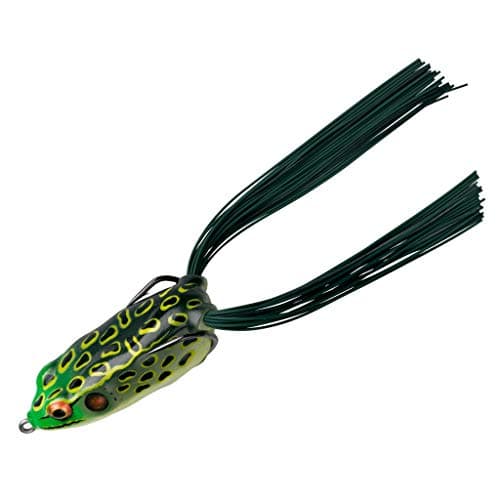 Best hollow-body frog Booyah Pad Crasher Hollow-Body Frog 2.5 in and 1/2 oz, with a 2 in / 1/4 oz Jr, and a hollow body that collapses on the bite. | Matted vegetation, lily pads and slop nothing else will cross | $9.99 · Check price on Amazon #ad how this is funded · price as of October 12, 2026 |
Why topwater works at all
A fish looking up sees a lure in silhouette against the sky. It cannot see color, detail or the line. What it can see is a shape, and what it can feel through its lateral line is the disturbance that shape makes.
That is why topwater lures are noisy and why they are often unrealistic-looking. They are not imitating a fish visually. They are imitating something in trouble on the surface, and the trigger is commotion.
It also explains the timing. Topwater is best in low light — dawn, dusk, overcast days — because that is when a silhouette against a bright sky reads most clearly and when fish are most willing to come up for it.
The three actions, side by side
| Type | Example | Length / weight | Best water |
|---|---|---|---|
| Popper | Rebel Pop-R | 2.5 in / 1/4 oz | Calm, clear, around visible cover |
| Walking bait | Heddon Zara Spook | 4.5 in / 3/4 oz | Open water, flats, calling fish up |
| Hollow frog | Booyah Pad Crasher | 2.5 in / 1/2 oz | Matted grass, pads, heavy slop |
The hardest instruction in fishing
Do not set the hook when you see the strike. Wait until you feel the fish pulling.
A topwater blow-up is violent and startling, and every instinct says to react to it. But fish frequently miss on the first attempt, and a lure yanked away from a fish that has not actually got it is a fish you have lost for no reason.
The technique that works is to keep reeling until the rod loads, then sweep sideways rather than up. This is genuinely difficult and everybody gets it wrong for a while.
Line choice, and it is not obvious
For poppers and walking baits, monofilament. Mono floats, which keeps the lure’s nose up and helps the action, and its stretch stops treble hooks tearing out on a surface strike. Fluorocarbon sinks and will actively drag the front of the bait down.
For frogs, heavy braid, and this is the exception. There is no treble hook to protect, the hook has to be driven through a hollow plastic body, and then a fish has to be pulled out of vegetation. That is three separate arguments for zero stretch and high strength. We go through the whole trade in braid vs fluorocarbon vs mono.
When not to bother
Bright sun, cold water, or a chop on the surface. Topwater is a conditional technique and pretending otherwise wastes a morning.
Cold water is the firm one: fish are unwilling to expend energy traveling upward through a water column when their metabolism is slow. In those conditions a suspending jerkbait put in front of them is a far better use of the day.
So what do I actually buy?
Buy the popper. It works on the widest range of water, it is the easiest to fish correctly, and at 1/4 oz it casts on gear you already own. Add the frog only if you actually have matted vegetation to fish.
Rebel Pop-R Topwater Popper
$13.492.5 in, 1/4 oz standard size. The one to start with — twitch it, then leave it still.
#ad how this is funded · price as of October 12, 2026
Heddon Zara Spook Walking Bait
$7.994.5 in, 3/4 oz. A search bait for open water, and it needs a medium-heavy rod to work.
#ad how this is funded · price as of October 12, 2026
Booyah Pad Crasher Hollow-Body Frog
$9.992.5 in, 1/2 oz, with a 2 in Jr. Only worth owning if you have vegetation nothing else will cross.
#ad how this is funded · price as of October 12, 2026
Berkley Trilene XL Monofilament Line
$8.97Mono floats and stretches, which is what a popper and a walking bait both want.
#ad how this is funded · price as of October 12, 2026
The picks, in full
Every card below lists the specs we could read off a published page, the URL they came from, and one honest reason you might not want it.
1. Best popper
Rebel Pop-R Topwater Popper
Rebel
2.5 in and 1/4 oz in the standard size, with 2 in and 3 in versions either side.
Three published sizes: the Small at 2 in and 1/8 oz, the standard Pop-R at 2.5 in and 1/4 oz, and the Magnum at 3 in and 1/2 oz. That spread matters more than it looks, because it lets one lure design cover panfish-sized bites through to serious bass.
A popper works because it can sit completely still. The concave face throws water and makes a distinct chugging noise when you twitch it, and then it stops and does nothing at all. Fish very often eat it during the nothing.
That is why it is the beginner’s topwater. A walking bait demands continuous, rhythmic rod-tip work; a popper asks you to twitch it once and then leave it alone, which is a far easier instruction to follow.
At 1/4 oz the standard size sits inside the casting window of a light or medium rod, so it does not need dedicated gear.
The drawback
Rebel does not publish the hook size, and the stock trebles are the most common complaint about this lure — a lot of anglers replace them. A popper is also nearly useless in wind or chop, because the noise and the pause that make it work both disappear in surface disturbance.
Published specs
- Small Pop-R
- 2 in, 1/8 oz
- Pop-R
- 2.5 in, 1/4 oz
- Magnum Pop-R
- 3 in, 1/2 oz
- Class
- Topwater
- Hooks
- Trebles; Rebel does not publish the hook size
Specs read from Tackle Warehouse - Rebel Pop-R Topwater Popper.
#ad how this is funded · price as of October 12, 2026
2. Best walking bait
Heddon Zara Spook Walking Bait
Heddon
4.5 in and 3/4 oz — a big bait that draws fish up from well below it.
4.5 inches and 3/4 oz. This is a substantially bigger lure than the popper, and the size is the point: a walking bait is a search tool that pulls fish up from ten feet down and thirty feet away.
It has no bill and no lip. The side-to-side glide — walking the dog — is produced entirely by you, with a rhythm of slack-line rod-tip twitches. Nothing about the lure does it for you, which is why it takes an afternoon to learn.
The upside of that learning curve is that the retrieve never stops moving, so you cover far more water than a popper does in the same time. On a big flat with no obvious cover to aim at, that is exactly what you want.
At 3/4 oz it needs a medium-heavy rod. On a light rod it will not load properly and you will not be able to work it.
The drawback
It is genuinely hard to fish at first, and a badly walked Spook just skitters in a straight line and catches nothing. At 3/4 oz it is also too heavy for the medium spinning gear most beginners own, and Heddon publishes only one size on this page — there is no smaller version to learn on.
Published specs
- Length
- 4.5 in
- Weight
- 3/4 oz
- Class
- Topwater
- Sizes offered
- One, on this product page
- Colors
- 11 offered
Specs read from Tackle Warehouse - Heddon Zara Spook Walking Bait.
#ad how this is funded · price as of October 12, 2026
3. Best hollow-body frog
Booyah Pad Crasher Hollow-Body Frog
Booyah
2.5 in and 1/2 oz, with a 2 in / 1/4 oz Jr, and a hollow body that collapses on the bite.
The standard Pad Crasher is published at 2.5 in and 1/2 oz; the Jr at 2 in and 1/4 oz. Both are hollow soft plastic with the hook points tucked against the body, which is what makes them weedless.
This lure exists for one situation: water so choked with vegetation that no other lure can be fished through it. A frog walks across matted grass and lily pads on top of the mat, and a bass comes through the mat to get it.
Booyah publishes a flat bass-boat belly, which lets it walk side to side in open water as well, and a drain hole so it expels water instead of filling up and going soggy after a few fish.
The Jr size at 1/4 oz is worth knowing about, because it is fishable on ordinary medium gear where the full-size version is not.
The drawback
Hook-up rate is the honest weakness of every hollow frog — the fish has to compress the body before the hooks reach anything, and a lot of spectacular blow-ups end with nothing on the line. The full-size 1/2 oz version also really wants heavy gear and braid to drag a fish out of vegetation, which is a bigger commitment than one lure.
Published specs
- Pad Crasher
- 2.5 in, 1/2 oz
- Pad Crasher Jr
- 2 in, 1/4 oz
- Body
- Hollow soft plastic
- Belly
- Published as a flat bass-boat belly for walking
- Drainage
- Drain hole to expel water
- Colors
- 20+ across both sizes
Specs read from Tackle Warehouse - Booyah Pad Crasher Frogs.
#ad how this is funded · price as of October 12, 2026
Questions people actually ask
What is the best topwater lure for beginners?
A popper. It can be fished with a single twitch and then left completely still, and fish very often eat it during the pause — where a walking bait needs continuous rhythmic rod work that takes practice.
When is topwater fishing best?
Low light and warm water. Dawn, dusk and overcast days, because a lure on the surface reads as a silhouette against a bright sky, and fish are only willing to travel upward for it when the water is warm enough.
Should you set the hook when a fish hits a topwater lure?
No — wait until you feel weight. Fish miss surface lures often, and setting on the splash pulls the bait away from a fish that has not got it yet. Keep reeling until the rod loads, then sweep sideways.
What line should you use for topwater?
Monofilament for poppers and walking baits, because it floats and its stretch keeps treble hooks in. Heavy braid for hollow frogs, because you need zero stretch to drive the hook and enough strength to pull a fish out of vegetation.
Read next
Sources
Prices on this page come from the retailer at request time and change without notice. If we cannot get a live one we say “check price” rather than show you a number that has gone stale. How we pick.