Tackle
Swivels and snaps: the cheapest parts, and the ones that fail
A swivel costs a few cents and sits between you and every fish. It is the only component on the line you cannot inspect once it is wet.
By Sawyer V. · Last updated · How we pick
The short answer
A barrel swivel stops line twist. A ball bearing swivel stops it under load. A snap swivel does both and adds a failure point you do not need on most rigs. Size down harder than feels right — the smallest swivel rated above your line is the correct one.
Reel & Rig earns a commission from qualifying purchases made through links on this page, at no extra cost to you. It does not change which gear we pick or what we say about it. Full disclosure.
What a swivel is actually for
One job: letting the terminal end rotate without passing that rotation up the line.
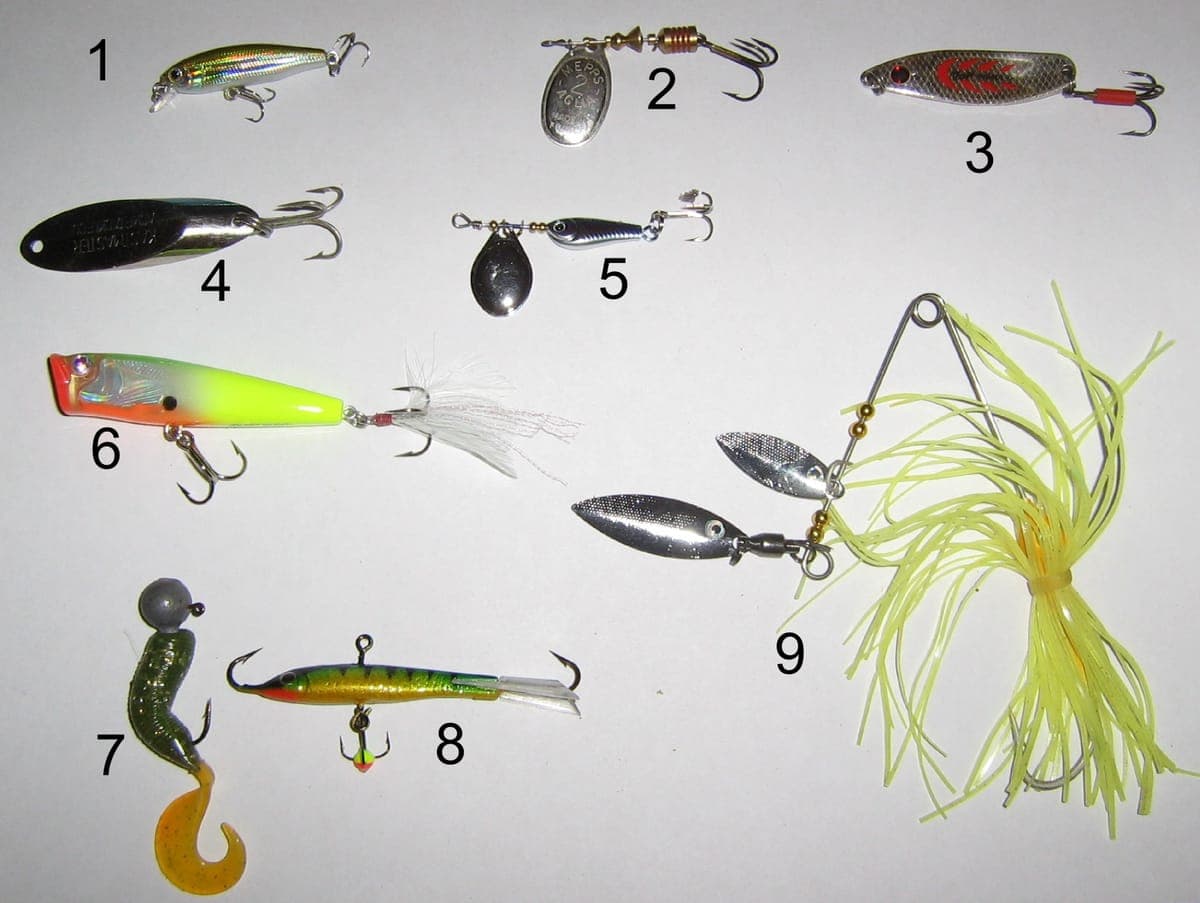
Line twist is what happens when a lure spins on the retrieve. An inline spinner rotates continuously, a spoon rolls, and a spinning reel adds its own twist on every turn. That rotation accumulates in the line until it comes off the spool in coils.
Our line twist page covers the reel side of that. A swivel is the terminal-end half of the fix.
The three types, and what each is for
| Type | How it turns | Use it for |
|---|---|---|
| Barrel swivel | Two eyes in a brass barrel, turning on a pin | The default. Leader joins, light spinners, float rigs |
| Ball bearing swivel | Bearings inside, so it still turns under tension | Inline spinners, spoons, anything trolled |
| Snap swivel | A swivel with a clip on one end | Fast lure changes on spinners and spoons |
| Snap alone | A clip, no swivel | Jerkbaits and crankbaits — quick changes, no twist to fix |
The distinction people miss is between a barrel and a ball bearing swivel. A barrel swivel turns freely with no load on it and largely stops turning once a lure is pulling hard, which is exactly when you need it. A ball bearing swivel keeps turning under load.
So for a inline spinner, which twists line harder than anything else in freshwater, a ball bearing swivel is the right answer and a barrel is a partial one.
Sizing, which almost everyone gets wrong
Swivel sizes run backwards like hook sizes: a size 12 swivel is smaller than a size 5. The rating that matters is the stated breaking strain, not the size number.
The rule is to use the smallest swivel whose rating comfortably exceeds your line. If you fish 8 lb line, a swivel rated at 20 or 30 lb is plenty, and it will be far smaller than the one most people reach for.
Oversizing costs you in three ways: the swivel is more visible, it adds weight that changes how a light lure sits, and it hinges awkwardly against a small bait. None of those show up as an obvious failure, which is why the habit persists.
Black is the standard finish for a reason. A brass or nickel swivel flashes, and in clear water a flashing swivel eighteen inches above a small lure draws strikes at the swivel.
Where a swivel actively hurts
On a crankbait or a jerkbait. These baits do not twist line, and a swivel at the nose damps the action the bill is producing. Use a loop knot or a small snap.
On a finesse soft plastic. A Ned rig or a wacky rig falls the way it falls because it is almost weightless. A swivel adds weight at the worst possible point.
Directly at the lure on a jig. A jig wants a direct knot. The swivel, if you want one, goes 18 to 24 in up at the leader join.
Anywhere you could tie a knot instead. Every swivel is a mechanical part in a system that is otherwise all line and knots. Our knots page covers the braid-to-leader connections that remove the swivel entirely.
What actually fails
The snap, not the swivel. A cheap snap opens under a sustained pull, and it opens silently. If you lose a fish and get the lure back with the snap sprung, that is why.
Corrosion inside the barrel. You cannot see it. A swivel that has been through a season and sat wet in a box will bind, and a swivel that does not turn is just an expensive knot.
The knot to the swivel. A small hard eye needs a knot that seats properly. A poorly cinched improved clinch on a small swivel eye is one of the more common line failures there is.
Replace them. They cost almost nothing, and a mixed pack covers a season: swivel assortments on Amazon and lure snaps on Amazon.
Why we are not naming a brand
Because swivels are sold in blister packs with a size number and, sometimes, a strength rating. Very few publish the material, the bearing type or a tested breaking strain where you can read it before buying.
The specification to insist on is short: a stated breaking strain well above your line, a black finish, and ball bearings if you fish spinners or spoons. That is visible on any listing worth buying from.
So what do I actually buy?
The swivels themselves are a category buy. These are the published-spec pieces they connect — and the lure that makes a ball bearing swivel non-optional.
Mepps Dressed Aglia Inline Spinner
$11.57An inline spinner twists line harder than anything else. This is where a ball bearing swivel earns its place.
#ad how this is funded · price as of October 12, 2026
Seaguar InvizX Fluorocarbon Line
$25.09The leader that ties to the swivel. Published at 0.009 in for 8 lb.
#ad how this is funded · price as of October 12, 2026
Acme Kastmaster Spoon
$18.84A spoon rolls on the retrieve, which is the other twist source worth swiveling.
#ad how this is funded · price as of October 12, 2026
Questions people actually ask
What size swivel should I use?
The smallest one rated comfortably above your line. On 8 lb line a swivel rated 20 to 30 lb is plenty, and it will be much smaller than most people reach for. Sizes run backwards, so a 12 is smaller than a 5.
What is the difference between a barrel swivel and a ball bearing swivel?
A barrel swivel turns freely with no load and largely stops turning once a lure is pulling hard. A ball bearing swivel keeps turning under load, which is why it is the right choice for inline spinners and spoons.
Should I use a snap swivel on a crankbait?
No. Crankbaits do not twist line, and a swivel at the nose damps the action. Use a loop knot or a plain snap if you want quick changes.
Do I need a swivel with braid and a fluorocarbon leader?
Not if you can tie an FG or double uni knot — a knotted join is smaller, stronger and less visible. A small barrel swivel is a reasonable substitute while you are learning the connection.
Read next
Prices on this page come from the retailer at request time and change without notice. If we cannot get a live one we say “check price” rather than show you a number that has gone stale. How we pick.