Setups
A bank fishing setup: everything carried, nothing left in a boat
Most fishing advice assumes a boat. This one assumes your feet, which changes almost every decision.
By Sawyer V. · Last updated · How we pick
The short answer
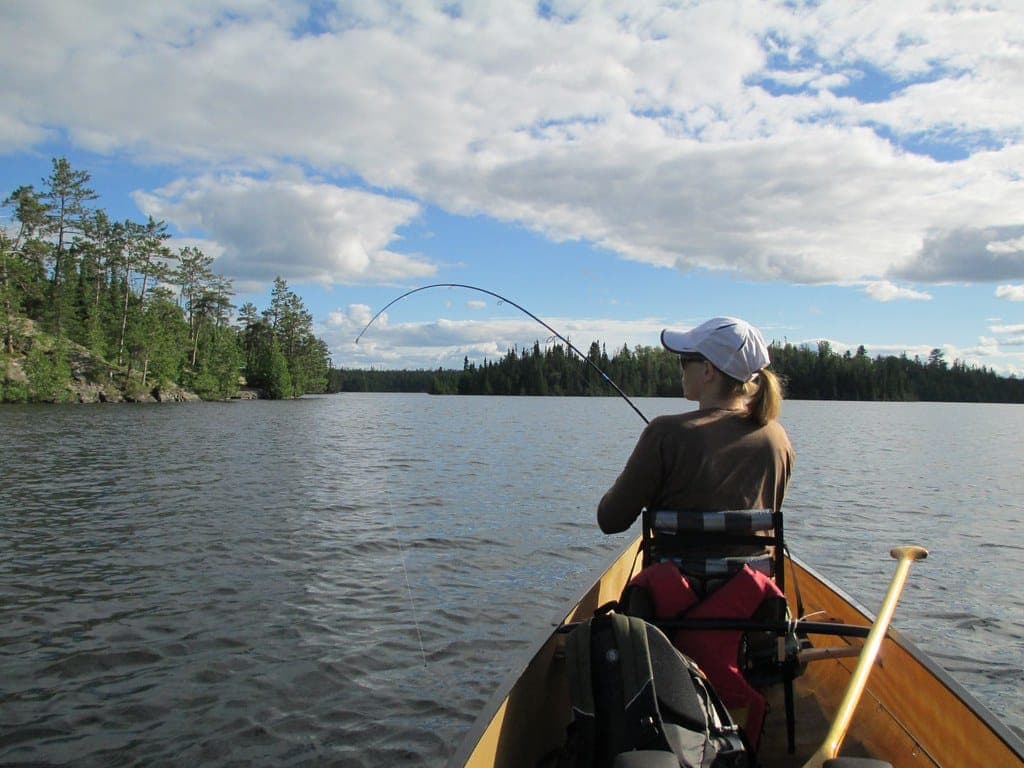
Bank fishing wants a longer rod than boat fishing, not a shorter one: 7 ft or more, because distance and line control both come from length. Pair it with a 2500-size reel, one shoulder bag you can walk with, and accept that you will carry perhaps a fifth of the tackle a boat angler does.
Reel & Rig earns a commission from qualifying purchases made through links on this page, at no extra cost to you. It does not change which gear we pick or what we say about it. Full disclosure.
The stack, in the order you buy it
- 1. Rod
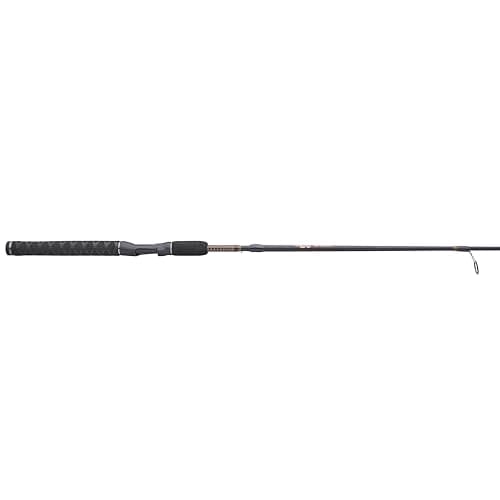
Ugly Stik GX2 Spinning Rod (7' Medium, 4-piece)
$59.957 ft Medium, rated 6-15 lb and 1/8-5/8 oz. Length is the point from a bank: it adds casting distance, keeps line off the water and helps steer a fish around the snags that always sit at your feet.
$59.95 · Check price on Amazon#ad how this is funded · price as of October 12, 2026
- 2. Reel
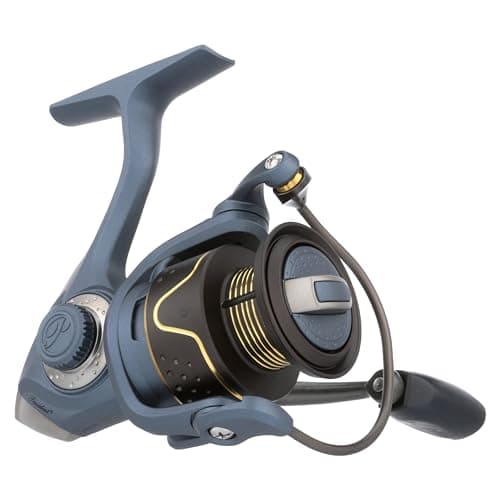
Pflueger President Spinning Reel (30X)
$62.45The 30X holds 145 yd of 6 lb or 130 yd of 8 lb at 8.8 oz, recovering 25.3 in per turn. Capacity matters more from a bank than from a boat — you cannot follow a fish, so line has to do it for you.
$62.45 · Check price on Amazon#ad how this is funded · price as of October 12, 2026
- 3. Line
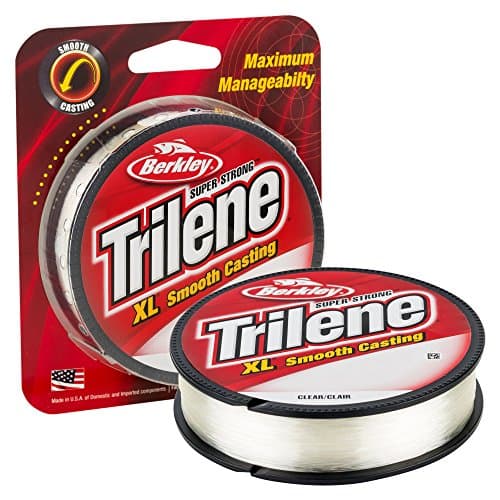
Berkley Trilene XL Monofilament Line
$8.9710 lb mono at 0.011 in. Bank fishing means dragging line over rocks, gravel and concrete, and mono's abrasion tolerance and cheapness both count when you re-tie often.
$8.97 · Check price on Amazon#ad how this is funded · price as of October 12, 2026
- 4. Search bait
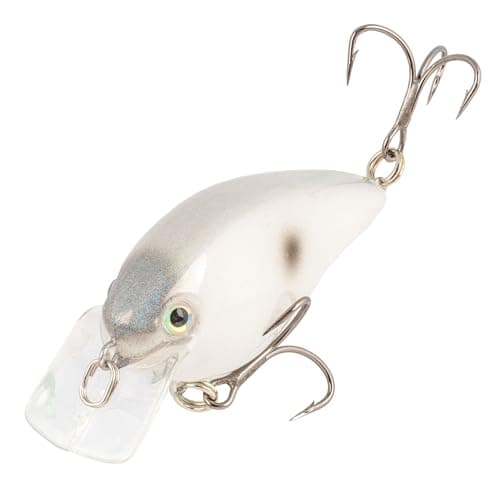
Strike King KVD 1.5 HC Squarebill Silent Crankbait
$11.992.5 in, 3/8 oz, published at 3 ft. From a bank you are almost always fishing shallow water, and a squarebill covering that band quickly is how you find where the fish are before slowing down.
$11.99 · Check price on Amazon#ad how this is funded · price as of October 12, 2026
- 5. Soft plastic
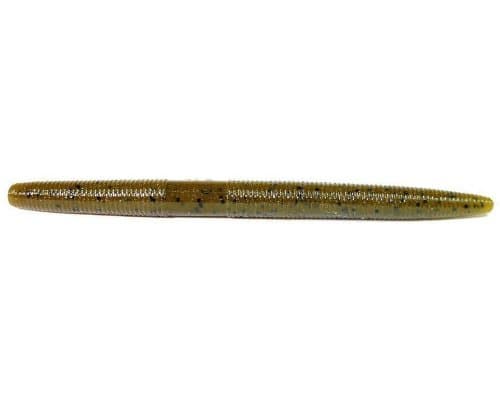
Gary Yamamoto Senko
$7.99Weightless on a 3/0 offset hook, it falls horizontally with a shimmy and needs no casting weight. The bait to slow down with once the squarebill has found a stretch that holds fish.
$7.99 · Check price on Amazon#ad how this is funded · price as of October 12, 2026
- 6. Bag
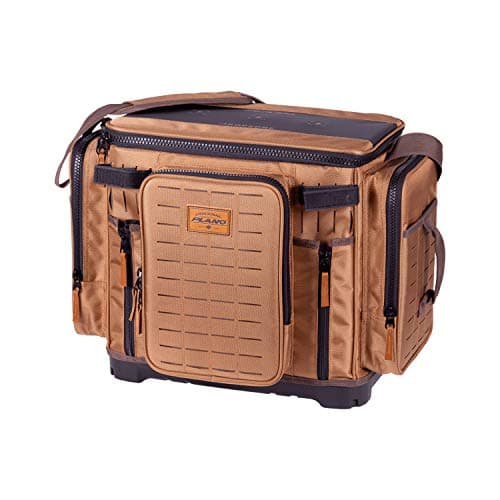
Plano Guide Series 3700XL Tackle Bag
$106.75A shoulder bag taking 3700-size boxes is the right form factor for walking. A hard box has to be carried in a hand; a bag leaves both hands for the rod and for climbing down banks.
$106.75 · Check price on Amazon#ad how this is funded · price as of October 12, 2026
We do not print a running total here. Every one of these prices moves independently, and a total we typed last week would be wrong today — check the five current prices above and add them up, which takes about twenty seconds and is always right.
Why rod length goes up from the bank
This is the opposite of the advice on our kayak rods page, and the reason is worth spelling out.
You cannot move the boat, so you have to move the lure. A boat angler repositions to reach a target; a bank angler casts further. Rod length is the cheapest source of casting distance there is.
Line control. Standing at water level, a short rod puts a lot of line on the surface between you and the lure. A longer rod holds more of it up in the air, which means better bite detection and better hooksets at range.
Steering fish. Banks have snags right at the edge — rocks, reeds, submerged branches, the wall you are standing on. A longer rod gives you leverage to guide a fish around them at the last moment.
Seven feet is the sensible default. Longer than that helps on open banks and becomes a liability anywhere with trees behind you, which our rod length page covers in general.
Reading a bank you have never fished
Boat anglers use electronics to find structure. From a bank, you are reading the visible edges instead, and they tell you a surprising amount.
Points. Anywhere the shoreline juts out. A point extends underwater as a ridge, and fish use it as a travel route. This is the highest-percentage bank feature there is.
Inside corners of coves. Wind pushes food into them and fish follow.
Anything hard against soft. A rock pile in a mud bank, a gravel patch, a fallen tree. Change is what concentrates fish.
Shade lines. Overhanging trees, bridges, docks. In bright conditions fish sit on the shaded side of the line, not in the open.
The wind-blown bank. Counterintuitive, because it is the uncomfortable side to fish, and it is usually the productive one. Wind stacks plankton against it and the food chain follows.
Fan casting, and why most people fish too slowly
From a fixed position you can only reach a semicircle. The efficient way to cover it is to fan: cast far left, retrieve, take two steps of angle, cast again, and work across to the far right.
Then move. The single biggest error in bank fishing is standing in one place for an hour because it looks good. Ten minutes, then walk, unless you are getting bites.
This is why the search bait matters. A squarebill crankbait covers a fan of water in fifteen minutes; a Texas-rigged worm takes an hour to cover the same ground. Find fish fast, then slow down where they are.
What to carry, and what to leave
| Take | Leave |
|---|---|
| One 3700 box of lures | The other four boxes |
| Terminal tackle in a small box | Bulk packs of anything |
| Pliers and line cutters | A full tool roll |
| One spare spool or a small line pack | Multiple filler spools |
| Water, and a bag for rubbish | A chair, unless you are bait fishing |
| One rod | The second rod you will not use |
The discipline is real. Every extra pound is a pound you carry over a mile of uneven bank, and the tackle you leave behind is tackle you would not have tied on anyway.
One genuinely worthwhile addition is a pliers and cutter set on a belt rather than in the bag, because you use them constantly and digging in a bag one-handed while holding a fish is unpleasant.
The advantage nobody mentions
Bank anglers fish the same water repeatedly, and that is worth more than access to more water.
Fishing one stretch fifty times over a season teaches you where fish sit in every wind direction, at every water level and in every season. That knowledge is not available to someone who visits a big lake occasionally, however good their electronics are.
Bank fishing is also where most people can actually fish most often — no trailer, no ramp, no launch fee, and half an hour after work is a viable session. Frequency beats equipment more reliably than anything else in this sport.
Questions people actually ask
What length rod is best for bank fishing?
7 ft or longer. Length is the cheapest source of casting distance, it keeps line off the water for better bite detection, and it gives leverage to steer fish around the snags that always sit at the water's edge.
Where should you cast from the bank?
At points first — anywhere the shoreline juts out extends underwater as a ridge fish travel along. Then inside corners of coves, hard-against-soft bottom changes, shade lines and the wind-blown bank.
How long should you stay in one spot bank fishing?
About ten minutes unless you are getting bites. Fan-cast the semicircle you can reach, then walk. Standing in one attractive-looking place for an hour is the most common bank fishing mistake.
What should you carry bank fishing?
One rod, one 3700 box of lures, a small box of terminal tackle, pliers and cutters on a belt, one line pack and water. Everything else is weight you carry over a mile of uneven ground for nothing.
Read next
Prices on this page come from the retailer at request time and change without notice. If we cannot get a live one we say “check price” rather than show you a number that has gone stale. How we pick.