Setups
A smallmouth setup: lighter line, smaller baits, rockier water
Same family as largemouth, different address, and almost every gear decision comes out differently.
By Sawyer V. · Last updated · How we pick

The short answer
Smallmouth live on rock in clear water and eat crayfish. That means lighter line than largemouth fishing, smaller baits, and fluorocarbon rather than braid straight through. A 7 ft medium rod, a 2500-size reel and 8–10 lb fluorocarbon covers almost all of it.
Reel & Rig earns a commission from qualifying purchases made through links on this page, at no extra cost to you. It does not change which gear we pick or what we say about it. Full disclosure.
The stack, in the order you buy it
- 1. Rod
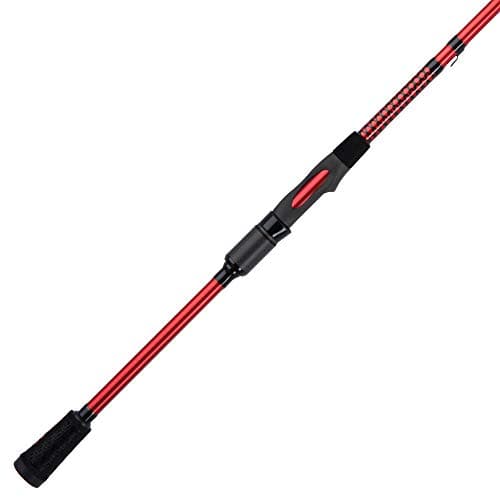
Ugly Stik Carbon Spinning Rod (7' Medium)
$99.957 ft medium on a carbon blank. Smallmouth fishing is largely bottom contact on rock, and feeling the difference between gravel, a rock and a bite is what a carbon blank buys you over a composite one.
$99.95 · Check price on Amazon#ad how this is funded · price as of October 12, 2026
- 2. Reel
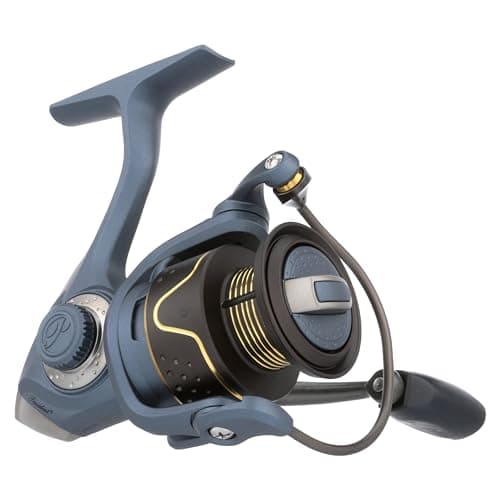
Pflueger President Spinning Reel (30X)
$62.45The 30X holds 145 yd of 6 lb at 8.8 oz with a 25.3 in retrieve. Smallmouth make long fast runs and jump, so a smooth drag matters more here than on almost any other freshwater fish.
$62.45 · Check price on Amazon#ad how this is funded · price as of October 12, 2026
- 3. Line
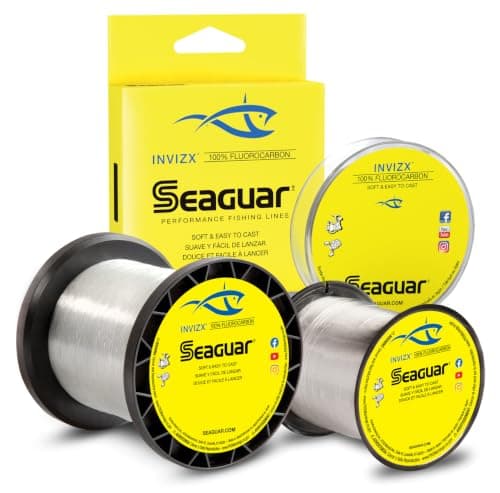
Seaguar InvizX Fluorocarbon Line
$25.998-10 lb fluorocarbon. It is hard to see in the clear water smallmouth prefer, it sinks so it keeps contact with a bottom bait, and it resists the abrasion that rock inflicts.
$25.99 · Check price on Amazon#ad how this is funded · price as of October 12, 2026
- 4. Tube
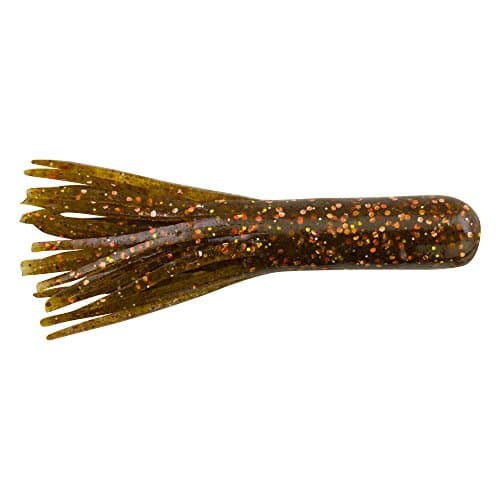
Berkley PowerBait Power Tube (3.5 in)
$6.993 1/2 in on an internal jig head. Dragged over gravel it looks very like a crayfish backing away, which is the single most important thing in a smallmouth's diet on rocky water.
$6.99 · Check price on Amazon#ad how this is funded · price as of October 12, 2026
- 5. Finesse plastic
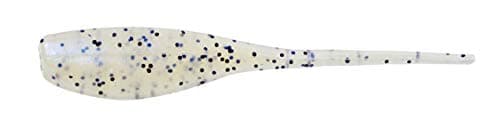
Bobby Garland Original Baby Shad
$3.99On a 1/16 or 1/8 oz head. When fish are pressured or the water is very clear, something small and slow is what gets bitten, and this is squarely a smallmouth presentation.
$3.99 · Check price on Amazon#ad how this is funded · price as of October 12, 2026
- 6. Moving bait
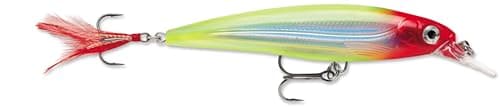
Rapala X-Rap 10 Jerkbait
$15.974 in, 7/16 oz, published as suspending at 4-6 ft. Smallmouth chase harder than largemouth, and a jerkbait paused over a rock flat in cool water is one of the best big-fish presentations there is.
$15.97 · Check price on Amazon#ad how this is funded · price as of October 12, 2026
We do not print a running total here. Every one of these prices moves independently, and a total we typed last week would be wrong today — check the five current prices above and add them up, which takes about twenty seconds and is always right.
Why the gear differs from largemouth
Smallmouth and largemouth are the same genus, and almost every gear decision comes out differently. Three reasons.
1. The water is clear. Largemouth tolerate stained, weedy, warm water. Smallmouth prefer clear, rocky, cooler water — and clear water means fish can see your line. Line diameter and visibility matter here in a way they do not on our largemouth setup.
2. The cover is rock, not vegetation. Largemouth fishing is often about getting a fish out of grass or wood before it wraps you. Smallmouth are usually in open water over rock, so you can afford lighter line and play the fish out.
3. They eat crayfish. Largemouth eat mostly baitfish. Smallmouth on rocky water eat a great many crayfish, which changes both the bait shape and how you move it.
The clear-water problem
In four feet of stained water, 15 lb line is invisible to a fish. In fifteen feet of clear water it is not.
That is why smallmouth fishing is a finesse discipline. Not because the fish are small — they are not — but because they can see everything.
Fluorocarbon straight through is the standard answer, in 8 to 10 lb. Our fluorocarbon page covers why: it has a refractive index close to water, it sinks, and it resists abrasion on rock. All three are exactly what this fishing wants.
Braid to a fluorocarbon leader works too and gives better sensitivity at depth, at the cost of a knot in the system.
Fishing rock
Rock is the whole game and it is worth knowing what to look for.
Transitions. Where big rock becomes small rock, or rock becomes sand. Fish hold on the change rather than in the middle of a uniform stretch.
Isolated boulders. A single large rock on an otherwise flat bottom will hold fish reliably.
Current breaks in rivers. Everything on our river page applies, and river smallmouth are one of the best reasons to learn to read current.
A fish finder earns its money here reading bottom hardness: a thick bright return means rock, and rock means smallmouth.
The crayfish imitation
A tube dragged slowly over gravel is the classic smallmouth presentation, and it works because of how a crayfish behaves rather than just how one looks.
A threatened crayfish backs away along the bottom with its claws raised. A tube dragged and paused, tentacles splayed and nose down, is a close approximation.
Drag, do not hop. This is the instruction people most often get wrong. A crayfish scuttles along the bottom; it does not leap. Move the bait with the rod, slowly, then stop.
Colours that match the local crayfish work: green pumpkin, brown, and orange-tinted variants in autumn when crayfish color up.
They fight differently
Worth setting expectations, because it changes how you play them.
Smallmouth run further and jump more than largemouth of the same size. A three-pound smallmouth on 8 lb fluorocarbon will take line repeatedly and clear the water two or three times.
Two consequences. Your drag setting matters more than in most freshwater fishing — set it to slip properly rather than locking down. And keep the rod low when a fish jumps, which reduces slack and stops it throwing the hook.
Do not reel while the drag is slipping. That is the third cause of line twist on our line twist page, and smallmouth are exactly the fish that cause it.
Season and temperature
Spring: the best fishing of the year as fish move shallow onto rock flats. A suspending jerkbait in cool water is hard to beat.
Summer: fish move deeper onto main-lake rock and current. Tubes and drop shots, fished slowly.
Autumn: fish feed heavily and chase. Moving baits work again.
Winter: very deep and very slow. A drop shot held nearly still is the highest percentage approach.
Questions people actually ask
What line should you use for smallmouth bass?
8 to 10 lb fluorocarbon straight through. Smallmouth live in clear water where fish can see line, and fluorocarbon has a refractive index close to water, sinks to keep bottom contact, and resists abrasion on rock.
How is smallmouth fishing different from largemouth?
Clearer water, rock instead of vegetation, and a diet with far more crayfish. That means lighter and less visible line, smaller baits, and presentations dragged along the bottom rather than pulled through cover.
What is the best bait for smallmouth?
A tube on an internal jig head, dragged slowly over gravel. It imitates a crayfish backing away with claws raised, which is the most important item in a smallmouth's diet on rocky water.
Why do smallmouth fight harder than largemouth?
They run further and jump more. A three-pound smallmouth on 8 lb line will take line repeatedly and clear the water several times, which makes a properly set slipping drag matter more than in most freshwater fishing.
Read next
Prices on this page come from the retailer at request time and change without notice. If we cannot get a live one we say “check price” rather than show you a number that has gone stale. How we pick.