Setups
A complete trout setup for lakes and stocked water
Light line and a soft tip. Trout have delicate mouths and very good eyesight, and both facts drive the whole build.
By Sawyer V. · Last updated · How we pick

The short answer
An ultralight or light spinning rod rated 2–6 lb, a small reel, and 4 lb line. Two facts drive everything: trout have soft mouths that tear on a hard hookset, and excellent eyesight in the clear water they prefer. So the rod bends rather than jabs, and the line goes as light as you dare.
Reel & Rig earns a commission from qualifying purchases made through links on this page, at no extra cost to you. It does not change which gear we pick or what we say about it. Full disclosure.
The stack, in the order you buy it
- 1. Rod
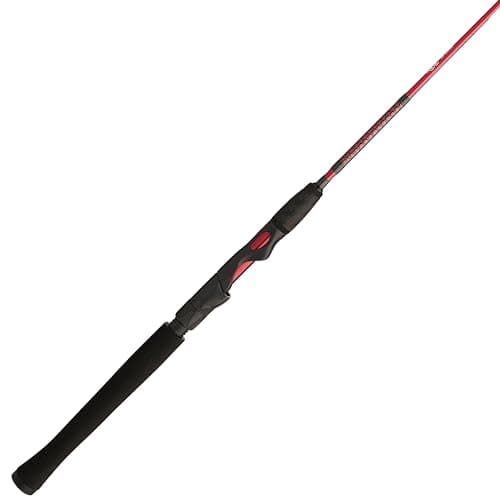
Ugly Stik Carbon Crappie Spinning Rod (6'9" Ultra Light, 2-piece)
$79.95The ultralight models are rated 2-6 lb and 1/32-1/8 oz with a published moderate-fast action. Moderate action matters here: trout are usually caught on small treble-hooked spinners that tear out against a stiff rod.
$79.95 · Check price on Amazon#ad how this is funded · price as of October 19, 2026
- 2. Reel
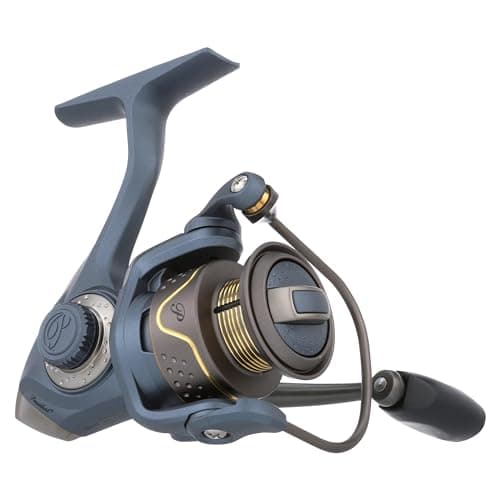
Pflueger President Spinning Reel (25X)
$73.028.1 oz holding 110 yd of 4 lb. Small enough to balance a light blank, and the smoothness of the drag matters because you are fighting a lively fish on line that breaks at four pounds.
$73.02 · Check price on Amazon#ad how this is funded · price as of October 19, 2026
- 3. Line
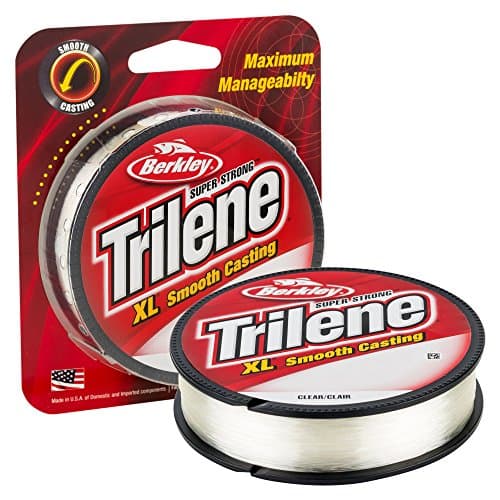
Berkley Trilene XL Monofilament Line
$8.97The light end. Trout are genuinely line-shy in the clear water they prefer, and mono's stretch is a feature here because it cushions the head-shakes that tear hooks out.
$8.97 · Check price on Amazon#ad how this is funded · price as of October 19, 2026
- 4. Leader
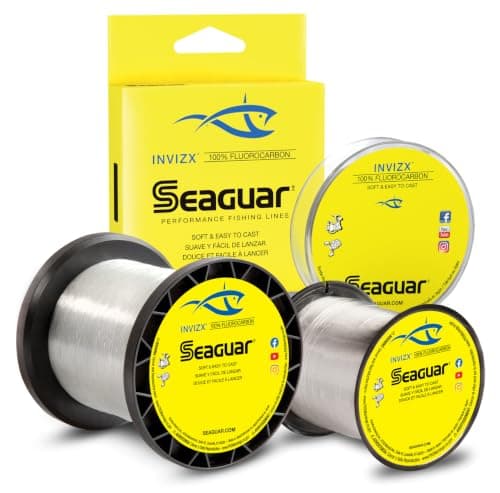
Seaguar InvizX Fluorocarbon Line
$23.268 lb at 0.009 in, or lighter. In very clear water a fluorocarbon leader is the single biggest improvement available, because its refractive index is close to water.
$23.26 · Check price on Amazon#ad how this is funded · price as of October 19, 2026
We do not print a running total here. Every one of these prices moves independently, and a total we typed last week would be wrong today — check the five current prices above and add them up, which takes about twenty seconds and is always right.
The two facts that drive the build
Trout have soft mouths. Softer than bass, and usually attached to small treble hooks on a spinner or a spoon. A fast-action rod plus a firm hookset tears the hooks straight out, and the fish comes off halfway back.
That is why the rod here is moderate rather than fast, and why the reel drag matters more than it does on a bass setup. The rod and the drag between them are what stop a head-shake becoming a lost fish.
Trout see well, in clear water. They tend to live in the clearest water in any given region, and they are meaningfully line-shy. Four pound line is not a stunt; it is the working default, and a fluorocarbon leader is worth more here than almost anywhere.
The component check
| Check | The numbers | Verdict |
|---|---|---|
| Lure weight vs rod window | Rod 1/32–1/8 oz; typical spinner 1/16–1/8 oz | Inside |
| Line rating vs reel capacity | Rod 2–6 lb; reel holds 110 yd of 4 lb | Agrees |
| Action vs hook type | Moderate-fast blank; small trebles | Correct pairing |
| Leader vs main line | 8 lb fluoro at 0.009 in on 4–6 lb mono | Invisible where it matters |
Match the setup to your water
Stocked ponds and put-and-take lakes
The build above, unchanged. Stocked trout are not especially wary in the first weeks after stocking, and small spinners, spoons or dough baits under a float all work.
A float rig is genuinely effective here and is not a beginner compromise — it holds a bait at a set depth in water where trout cruise rather than hold on structure.
Small streams
Go shorter. A 5 ft 4 in ultralight is far easier to use under overhanging trees, and stream trout are usually caught at short range with accurate casts rather than long ones.
Everything else stays the same, though you may want to go to 4 lb line or lighter in very clear water.
Bigger lakes and deeper water
Lake trout in deep water are a genuinely different fishery involving trolling gear, downriggers and line-counter reels. That is a separate purchase rather than an adjustment to this build, and we would rather say so than imply an ultralight covers it.
What to throw
Three categories cover most trout fishing, and they are all light.
Inline spinners in 1/16 to 1/8 oz. The classic and still the most reliable searching lure for stream and stocked-lake trout. Cast across current, let it swing.
Small spoons in similar weights, which cast further and flutter on the drop.
Bait under a float — dough bait, worms, or salmon eggs where legal. Genuinely effective, and the honest answer for a first trip where the goal is catching something.
Check your local regulations before buying bait: a lot of trout water is restricted to artificial lures only, and some is fly-only. That is worth ten minutes on the state agency website before you spend anything.
The hookset problem, again
Worth its own section because it is the single biggest cause of lost trout.
On a spinner or a spoon, do not set the hook at all in the bass sense. When you feel the fish, simply keep reeling and lift the rod smoothly. The trebles are small and sharp and they are already in.
Then let the rod and the drag do the work. Trout run and shake, and every attempt to muscle one in on four pound line ends the same way.
What you still need
- Small barrel swivels. Inline spinners twist line badly without one.
- Small floats and split shot if you intend to fish bait.
- A rubber-mesh net. Better for the fish and it does not tangle trebles.
- Forceps or small pliers. Small trebles in a small mouth need them.
- Your state regulations. Trout water has more rules than any other freshwater fishing — seasons, bait restrictions, and often a separate stamp.
Questions people actually ask
What setup do you need for trout fishing?
An ultralight or light spinning rod rated 2 to 6 lb with a moderate action, a small reel in the 25 or 1000 size, and 4 lb line. A fluorocarbon leader is the single biggest upgrade in the clear water trout prefer.
What pound line for trout?
Four pound as the working default, lighter in very clear water. Trout live in the clearest water around and are meaningfully line-shy, so this is not a stunt — it is the standard.
Why do I keep losing trout?
Almost always the hookset. Trout have soft mouths and are usually on small treble hooks, so a bass-style hookset tears them out. Keep reeling and lift the rod smoothly instead, then let the rod and drag do the work.
What lures are best for trout?
Inline spinners and small spoons in 1/16 to 1/8 oz, or bait under a float. Check local regulations first — a lot of trout water is artificial-lure-only and some is fly-only.
Can I use my bass rod for trout?
It will not cast a 1/16 oz spinner properly, and its fast action will tear small trebles out of a soft mouth. A float rig makes a medium rod workable, but an ultralight is the right tool.
Read next
Sources
Prices on this page come from the retailer at request time and change without notice. If we cannot get a live one we say “check price” rather than show you a number that has gone stale. How we pick.