Setups
A small creek setup: the one place a shorter rod wins
Creek fishing inverts almost every rule on this site. The water is small, the fish are close, and length is a liability.
By Sawyer V. · Last updated · How we pick
The short answer
A 5 ft ultralight published at 2–6 lb and 1/32–1/4 oz, a 25-size reel at 8.1 oz, and 4 lb mono at 0.009 in. The trees over a creek decide the rod length, not the fish. Every extra foot of blank is another branch you hook on the back cast.
Reel & Rig earns a commission from qualifying purchases made through links on this page, at no extra cost to you. It does not change which gear we pick or what we say about it. Full disclosure.
The stack, in the order you buy it
- 1. Rod
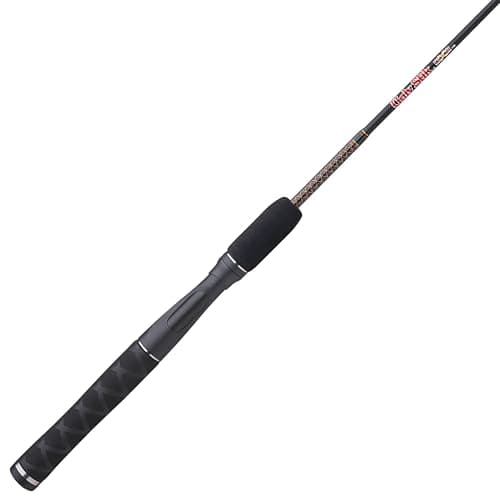
Ugly Stik GX2 Spinning Rod (5 ft Ultra Light, 2-piece)
$55.325 ft, ultra light, published 2-6 lb and 1/32-1/4 oz. Short enough to cast sidearm under branches, and rated light enough to throw the tiny lures creek fish actually eat. Ugly Stik also publishes 4 ft 6 in and 4 ft 8 in one-piece models if your water is tighter still.
$55.32 · Check price on Amazon#ad how this is funded · price as of October 12, 2026
- 2. Reel
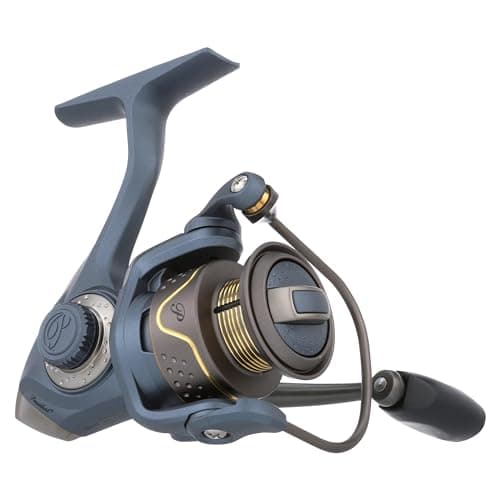
Pflueger President Spinning Reel (25X)
$63.708.1 oz with 10 stainless bearings plus a roller, published at 110 yd of 4 lb. The smallest sensible size, and the bearing count matters because everything you are trying to feel on a creek is faint.
$63.70 · Check price on Amazon#ad how this is funded · price as of October 12, 2026
- 3. Line
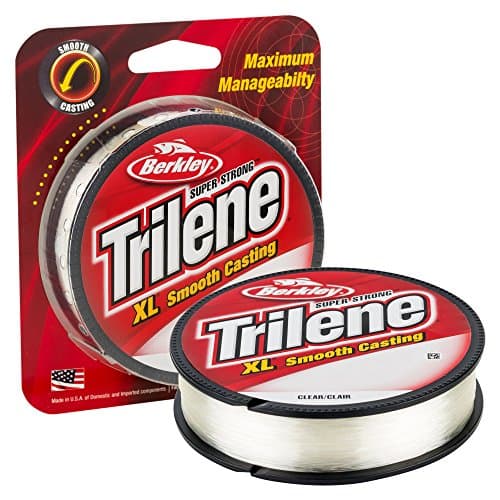
Berkley Trilene XL Monofilament Line
$8.974 or 6 lb mono; Berkley publishes 6 lb at 0.009 in. Mono rather than braid because it floats, stretches over a snag, and costs nothing to replace when a tree takes fifteen yards of it.
$8.97 · Check price on Amazon#ad how this is funded · price as of October 12, 2026
- 4. Lure
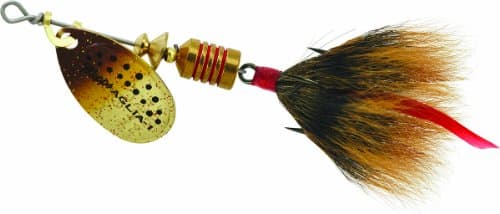
Mepps Dressed Aglia Inline Spinner
$11.57Published in 1/8, 1/4 and 1/2 oz. The 1/8 oz is the creek size — an inline spinner tracks well in current and covers a pool in three casts. The dressed treble adds a little bulk without adding weight.
$11.57 · Check price on Amazon#ad how this is funded · price as of October 12, 2026
- 5. Second lure
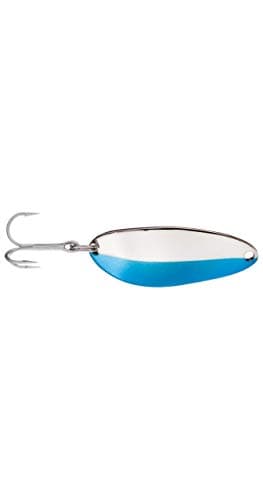
Acme Little Cleo Spoon
$5.90The 1/4 oz is 1 5/8 in. A small spoon casts further into a headwind than a spinner of the same weight and flutters on the drop through a deeper hole.
$5.90 · Check price on Amazon#ad how this is funded · price as of October 12, 2026
We do not print a running total here. Every one of these prices moves independently, and a total we typed last week would be wrong today — check the five current prices above and add them up, which takes about twenty seconds and is always right.
Why this setup contradicts the rest of the site
Our rod length page argues that length buys distance and distance is usually what you want. Our bank fishing page goes further and argues for 7 ft 6 in.
A small creek is the exception, and it is worth understanding why rather than just taking the recommendation. On a creek you are never casting far — the far bank is often fifteen feet away. What you are doing is placing a lure precisely, under an overhang, into a pocket the size of a dinner plate, usually with trees directly behind you.
Length makes every one of those harder. A longer blank magnifies small errors at the tip, it needs more room behind you, and it is worse in the one casting style you will use constantly, which is sidearm.
Creek fish are small, and that sets everything else
A creek holds wild trout, small bass, chubs and sunfish. Occasionally something larger, and the occasional larger fish is not worth designing the setup around.
Small fish eat small lures. A 1/32 to 1/8 oz spinner or spoon is the working range, and that immediately rules out most rods — a light-power rod published at 1/16 oz minimum cannot load properly on a 1/32 oz lure, as our crappie against ultralight page sets out.
Light lures need light line to cast at all, which is why the line is 4 lb rather than 8. Everything in the system follows from the size of the lure.
Mono, deliberately, and not braid
This site generally likes braid. On a creek it is the wrong choice and the reasons are specific.
| Property | What it does on a creek |
|---|---|
| Stretch | Absorbs a hookset at three feet, where braid rips a small hook out |
| Floats | Keeps line off the bottom in shallow water, so it snags less |
| Abrasion | Thicker per pound than braid, which matters when everything is rock and wood |
| Cost | You will leave line in trees. Replacing mono is trivial |
| Visibility | Creek water is often gin clear and the fish are a few feet away |
The one argument for braid — that thin diameter lets a small reel hold more line — is irrelevant here, because you will never need more than twenty yards. Our line comparison page covers the general case, which points the other way.
How a creek actually fishes
You walk upstream. This matters: trout and most creek fish face into the current, so approaching from downstream puts you behind them where they cannot see you.
You fish the structure, not the water. A creek is mostly shallow riffle with nothing in it, punctuated by pools, undercut banks, and the slack water behind a rock or a fallen tree. The fish are in those places and nowhere else.
A pool gets two or three casts. If nothing takes, move — creek fishing is covering ground on foot rather than working one spot. Our river setup covers bigger water, where the current does more of the work and you can stand still for longer.
Carry almost nothing
You are walking, often through brush and often in the water. Anything you carry you will resent within an hour.
A small box of spinners and spoons in a pocket, a spare spool of line, pliers, and nothing else. Our tackle box page covers small options, and the smallest one you own is the right one here.
Wading boots with a good sole are worth more than any tackle you could add. Creek rock is slick and a fall onto it is the real risk of this fishing — our wading boots page argues that the sole is a safety decision.
What this setup will not do
It will not handle a big fish well. A 2–6 lb line rating means a decent bass in current is a long, delicate fight that you may lose, and a carp is out of the question.
It will not fish a lake. Five feet of ultralight blank has no casting distance, so on open water it leaves you fishing the first twenty yards and nothing beyond.
It will not throw a big lure. 1/4 oz is the published ceiling and it means it.
That is what makes it a second setup for most people rather than a first one. If you own one outfit already, our pond setup and trout setup cover water that is easier to start on.
Questions people actually ask
What rod is best for small creek fishing?
A short ultralight, around 5 ft, published to cast 1/32 oz lures. Overhanging trees mean you cast sidearm constantly, and every extra foot of rod is another branch to hook on the back cast.
What line should I use for creek fishing?
Light mono, 4 to 6 lb. It stretches to absorb a hookset at close range, floats to keep line off the bottom, resists abrasion on rock, and costs nothing to replace when a tree takes some.
What lures work in a small creek?
Small inline spinners and spoons in 1/8 to 1/4 oz. A spinner tracks well in current and covers a pool in a few casts; a small spoon casts further into wind and flutters through deeper holes.
Should I fish upstream or downstream in a creek?
Upstream. Trout and most creek fish face into the current, so approaching from below puts you behind them where they are least likely to see you.
Can I use my bass setup in a creek?
You can, but it will fish badly. A 7 ft medium rod published at 1/4 oz minimum cannot cast the small lures creek fish want, and the length is a constant problem under trees.
Read next
Sources
Prices on this page come from the retailer at request time and change without notice. If we cannot get a live one we say “check price” rather than show you a number that has gone stale. How we pick.