Setups
A pike setup, and the one component you cannot leave out
Every other setup on this site is a set of preferences. This one has a hard requirement, and it is not the rod.
By Sawyer V. · Last updated · How we pick

The short answer
A pike setup is a 7 ft medium-heavy rod, a 3000-size reel, 30 lb braid, and a leader — wire or heavy fluorocarbon — between the braid and the lure. The leader is not optional. Pike teeth cut 30 lb braid as easily as 6 lb mono, and fishing without one loses the fish and leaves a lure in it.
Reel & Rig earns a commission from qualifying purchases made through links on this page, at no extra cost to you. It does not change which gear we pick or what we say about it. Full disclosure.
The stack, in the order you buy it
- 1. Rod
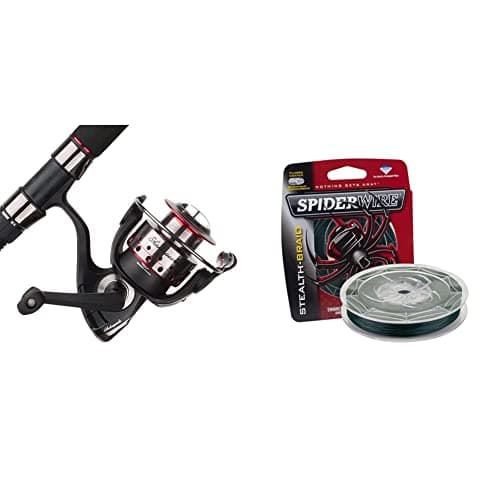
Ugly Stik GX2 Spinning Combo (7' Med-Heavy / size 50)
$92.94The 7 ft medium-heavy combo covers this on both counts: enough backbone to move a fish out of weed, and a lure rating that takes the 3/4 oz-plus baits pike want. Ugly Stik's composite blank also tolerates the abuse that fishing weedy margins involves.
$92.94 · Check price on Amazon#ad how this is funded · price as of October 12, 2026
- 2. ReelNo photo
Daiwa BG Spinning Reel (BG3000)
Check priceThe BG3000 is the step up from the 2500 in capacity, which is what matters when a fish runs into cover and you need line to give. A metal body is worth having on a species that pulls hard in short bursts.
- 3. Line
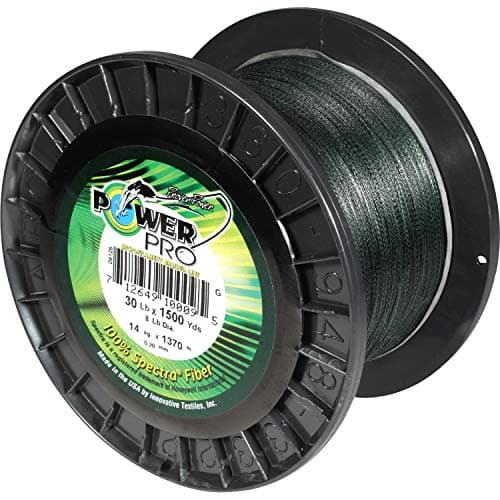
Power Pro Spectra Braided Line
$44.2530 lb braid measures 0.011 in — the same diameter as 12 lb mono. That is the whole argument: you get the strength to pull a pike out of weed at a diameter a 3000-size spool handles easily.
$44.25 · Check price on Amazon#ad how this is funded · price as of October 12, 2026
- 4. Big soft plastic
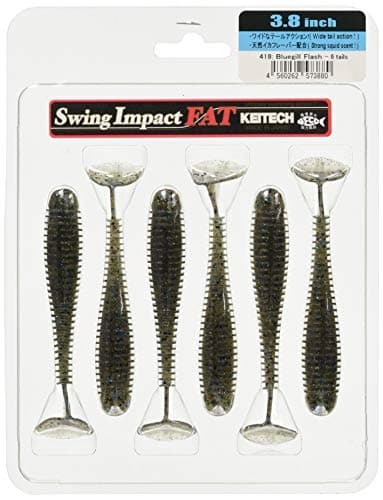
Keitech Swing Impact FAT Swimbait
$10.84The 4.8 and 5.8 in sizes on a weighted swimbait hook are a genuinely good pike bait. Published in eight sizes, so you can scale up when the fish are bigger and down when they are not committing.
$10.84 · Check price on Amazon#ad how this is funded · price as of October 12, 2026
- 5. Bladed jig
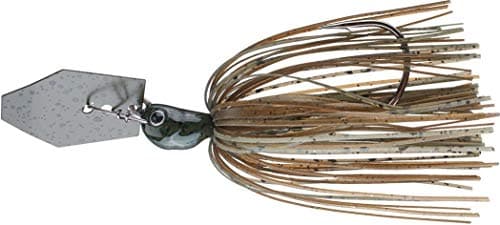
Z-Man Evergreen ChatterBait Jack Hammer
$19.79Published in 3/4 and 1 1/4 oz as well as the lighter weights. Hard vibration in stained water, a single upward hook, and it comes through the grass edges pike sit in.
$19.79 · Check price on Amazon#ad how this is funded · price as of October 12, 2026
- 6. Topwater
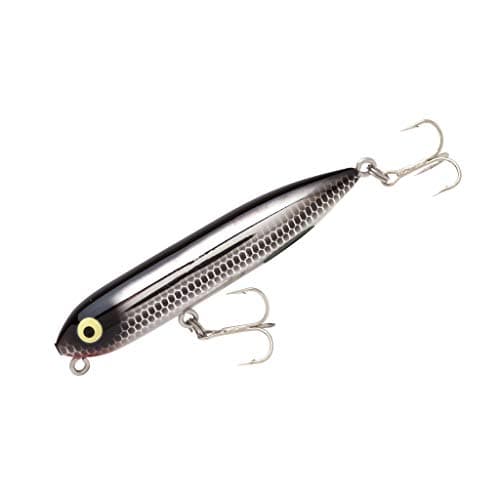
Heddon Zara Spook Walking Bait
$7.994.5 in and 3/4 oz. A big walking bait over shallow weed in low light is one of the most reliable ways to find pike, and the size is right for the species rather than being a bass lure pressed into service.
$7.99 · Check price on Amazon#ad how this is funded · price as of October 12, 2026
We do not print a running total here. Every one of these prices moves independently, and a total we typed last week would be wrong today — check the five current prices above and add them up, which takes about twenty seconds and is always right.
The leader, first, because everything else follows from it
A pike’s teeth are backward-facing, numerous and sharp. They are built to hold a fish that is trying to escape, and they go through fishing line without effort.
The important part is that line strength does not help. Cutting is not the same failure mode as breaking. A tooth slicing across a strand parts it regardless of whether that strand is rated 6 lb or 30, which is why 30 lb braid straight to the lure is no protection at all.
What helps is either a material teeth cannot cut, or enough thickness that a tooth cannot get through in the time available. That gives two options:
| Wire | Heavy fluorocarbon | |
|---|---|---|
| Protection | Effectively complete | Good, not absolute |
| Typical spec | 20-40 lb, 12-18 in | 50-80 lb, 12-18 in |
| Visibility | Higher | Lower |
| Lure action | Slightly stiffened | More natural |
| Best for | Anywhere pike are the target | Clear water, or bass water with pike in it |
If pike are the target, use wire. The visibility cost is real and it is smaller than the cost of leaving a lure in a fish. Ready-made wire leaders with swivels are inexpensive and remove the need to learn crimping.
Why a medium-heavy rod rather than a heavy one
Pike do not fight for a long time. They pull very hard for a short period, thrash on the surface and are then usually manageable.
What the rod actually has to do is move a fish away from the weed it is sitting in, quickly, before it wraps you up. That is a backbone requirement, not an endurance one, and medium-heavy provides it.
A heavy rod goes too far the other way. It casts the mid-weight lures badly, and a stiff blank against a fish that shakes its head is how treble hooks tear free. Medium-heavy with a moderate-fast action is the useful compromise, and our rod power and action page explains why those two ratings are separate decisions.
Where pike actually are
Pike are ambush predators and they sit on edges. Not in open water, and not deep in the thickest weed — on the boundary between the two.
Weed edges. The line where a bed of vegetation stops and open water starts. Fish it parallel rather than casting across it.
Drop-offs next to shallow bays. Especially in spring, when pike spawn shallow and then hold on the first depth change out.
Anywhere baitfish are concentrated. Creek mouths, wind-blown banks, the downwind end of a lake.
A fish finder is genuinely useful for finding the weed edge rather than for spotting fish — on most units vegetation shows clearly and the edge is what you are looking for.
Handling a pike, which is a real skill
This section is not squeamishness. Pike are handled badly more often than any other freshwater fish, and it hurts both parties.
Never lift a pike by the jaw alone, the way you would lip a bass. A pike’s jaw is not built for it and the hinge damages.
Support the body horizontally. One hand under the belly, the fish level.
Use long pliers and a rubber-mesh net. Trebles inside a pike’s mouth need reach, and knotted mesh both damages the fish and tangles hooks.
Consider a glove. The teeth are the obvious hazard; the gill rakers are the one that actually gets people.
Long-nose unhooking pliers and a rubber net are the two accessories worth buying before your first trip rather than after.
The cheaper build, and the step up
Tighter budget: keep the leader and the braid, and economize on the rod. The medium-heavy combos already on this site handle pike on smaller water perfectly well. What you cannot economize on is the leader.
Step up: a longer rod — 7 ft 6 in — for casting larger baits further, and a 4000-size reel if you are fishing big water with long runs. The heavier rods on this site overlap with what pike fishing wants.
What does not need upgrading: the lures. A big paddle tail, a bladed jig and a walking bait cover pike about as well as any specialist tackle will.
Questions people actually ask
Do you need a wire leader for pike?
Yes, or a heavy fluorocarbon one. Pike teeth cut line rather than break it, so line strength does not help — 30 lb braid parts as easily as 6 lb mono. Wire is the safe choice when pike are the target.
What rod power is best for pike?
Medium-heavy. The job is moving a fish out of weed quickly rather than a long fight, and a heavy rod casts mid-weight lures badly and tears treble hooks free when a pike shakes its head.
Where do you find pike in a lake?
On edges — the boundary between weed and open water, drop-offs next to shallow bays, and anywhere baitfish concentrate. They are ambush predators and sit on the transition rather than in open water.
How should you handle a pike?
Support the body horizontally with a hand under the belly, never lift by the jaw alone, and use long pliers with a rubber-mesh net. The gill rakers injure more anglers than the teeth do.
Read next
Prices on this page come from the retailer at request time and change without notice. If we cannot get a live one we say “check price” rather than show you a number that has gone stale. How we pick.